Tokyo Office Etiquette: When Shorts Are Appropriate for Work
"In a city where harmony is often found in the details, dressing appropriately is a silent way of showing respect to your colleagues."
If you are moving to Tokyo for a job or a long-term stay, you will quickly realize that "business casual" doesn't mean the same thing in Shinjuku as it does in Manhattan.
While the heat in July and August can be punishing, walking into a meeting in cargo shorts can lead to more than just a few raised eyebrows.
* Context is everything: Casual versus traditional corporate environments dictate what you can wear. * Fit and fabric matter most: High-quality materials and tailored cuts elevate shorts from "beachwear" to "office wear." * Observe local norms: Understanding the nuance of Japanese social harmony is the key to professional success.

When is it okay to wear shorts to work in Tokyo?
The sun hits the pavement in Shibuya at 10:00 AM, and the humidity is already thick enough to feel like a physical weight. I remember my first summer in Tokyo, standing in front of a mirror in a small apartment in Setagaya, wondering if my chinos were too heavy or if my shorts were too casual.
In a traditional Japanese corporation—the kind with heavy mahogany desks and a strict hierarchy—shorts are almost never the answer. In those environments, even in a heatwave, full-length trousers are the standard. However, the landscape has shifted significantly in recent years.
Since the mid-2010s, there has been a growing acceptance of "cool biz" (cool business) styles in various sectors. In 2025 and 2026, as companies push for more flexible work environments, these rules have become even more nuanced.
In tech startups in Minato or creative agencies in Daikanyama, the rules are much more relaxed. For men, a trend that emerged in the mid-2010s saw the popularity of khaki shorts with shorter 5, 6, or 7-inch inseams, as well as jogger pants and tapered chinos.
While these styles are more casual, they represent a transition toward functional, modern professional wear. The distinction between "acceptable" and "ideal" is vital.
While you might be able to wear shorts in a casual office without getting a reprimand, your first impression during an interview or a meeting with a new client should almost always involve full-length trousers.
You want to be seen as a professional who is prepared, not someone who is perpetually on vacation. But knowing when to transition is only half the battle.
What makes a "work-appropriate" short? (The Do's)
I stood in a department store in Ginza last week, looking at a rack of tailored shorts, realizing that the difference between a "professional" look and a "weekend" look is entirely in the construction.
The price tag of 12,000 yen for a pair of linen-blend shorts seemed high until I saw the sharp, structured silhouette.
If you are going to transition to shorts in a semi-casual office, you cannot treat them like gym wear. The most important rule is to focus on material quality. Avoid jersey fabrics, heavy denim, or anything that looks like it belongs on a volleyball court.
Instead, look for structured fabrics like cotton twill, linen blends, or high-quality chinos. The goal is to mimic the look of a trouser, just with a shorter leg.
To maintain a professional silhouette, you must balance the lower half of your outfit. If you are wearing shorts, your top should be more structured to compensate. A crisp button-down shirt or a well-fitted polo is essential.
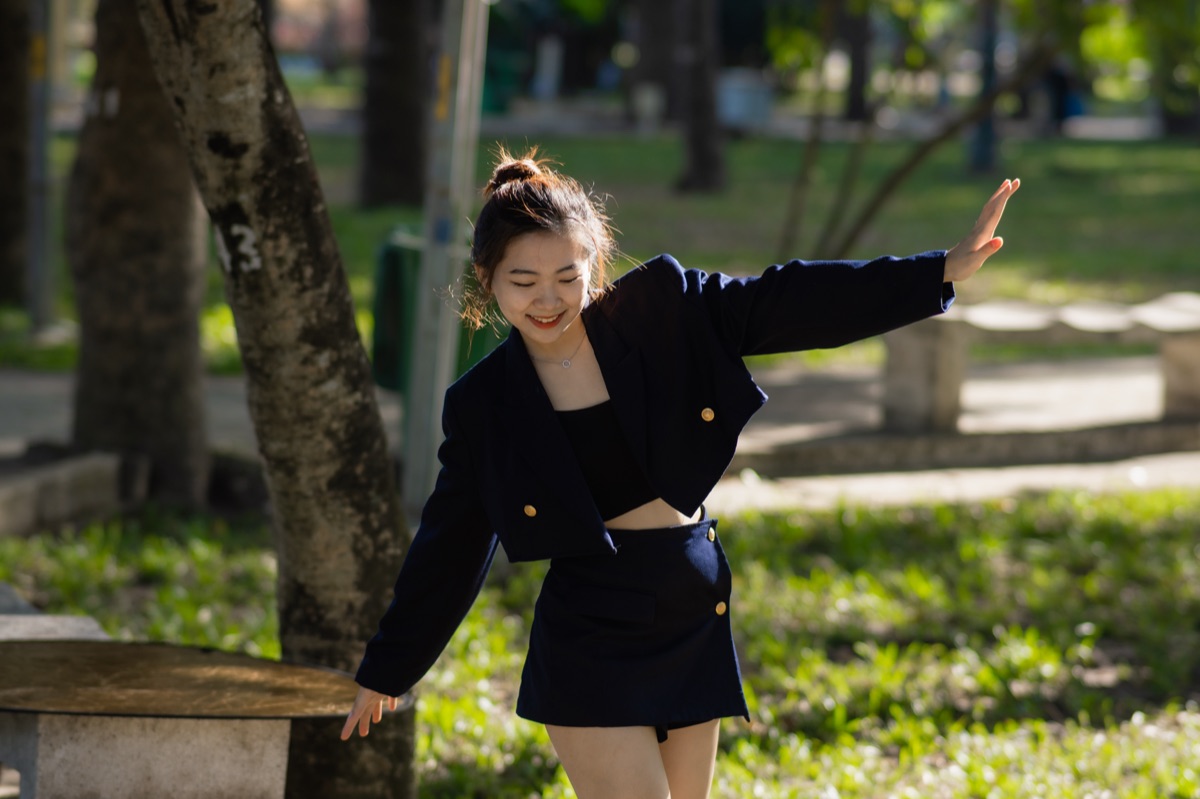
In slightly more formal settings, pairing tailored shorts with a lightweight summer blazer can create a sophisticated, intentional look that signals you are still "at work."
Always aim for a polished aesthetic. Your shorts should look like they were chosen specifically for a professional setting, not like you grabbed the first thing in your laundry basket because it was hot. However, even the perfect pair of shorts can fail if you hit the wrong social note.
What are the biggest etiquette pitfalls to avoid? (The Don'ts)
Walking through a crowded station in Shinjuku during rush hour, you see a sea of dark suits. If you step out of the train in bright, patterned, or overly baggy shorts, you will immediately stand out—and not in a way that builds professional rapport.
The biggest pitfall is wearing items that are too casual or too loud. Avoid extreme distressing, such as ripped knees or frayed edges.
Avoid loud prints—think tropical flowers or large logos—as they scream "vacation." Deep, solid colors like navy, olive, or tan are much safer and easier to pair with professional tops.
Another common mistake is neglecting footwear. In 2026, while minimalist leather sneakers are becoming more common in creative hubs, wearing athletic running shoes or flip-flops with shorts in an office setting is still a major faux pas.
To keep the look professional, pair your shorts with loafers, boat shoes, or clean, minimalist leather sneakers.
In Japanese culture, there is a fine line between being "relaxed" and being "disrespectful." If your attire suggests you aren't taking your job seriously, it can affect how much weight your opinions carry in meetings.
Always contrast your casual lower half with a neat, tidy upper half to maintain that balance. But how do you actually manage this transition in a real-world office?
How do you navigate the professional spectrum?
Imagine you are attending a morning briefing in a sleek office in Roppongi, followed by a casual lunch in a nearby cafe. You need an outfit that can transition between these two worlds without looking out of place in either.
The spectrum of Japanese office wear is wide. To navigate it, you must first identify your company's specific culture. Some companies have a "cool biz" period from May to September where shorts are explicitly permitted, while others remain traditional year-round.
| Setting | Recommended Attire | Level of Formality |
|---|---|---|
| Traditional Corporate | Full suit or dress trousers with a button-down | High |
| Standard Business Casual | Chinos/Trousers and a polo or button-down | Medium |
| Creative/Tech Casual | Tailored chinos or dark, structured shorts | Low |
If you are unsure of the norms, the safest bet is always to err on the side of caution. Start with full-length trousers.
Once you have observed how your supervisors and senior colleagues dress during the summer months, you can gradually transition to more casual options like chinos or, if appropriate, tailored shorts.
If you join a company and see that everyone else is wearing shorts, you can join in—but do so slowly. It is better to be the person who is slightly too formal than the person who is too casual. To make this transition successful, follow this checklist:
- Observe the senior staff: Do the managers wear long trousers even in 32°C heat? If so, stick to long trousers.
- Check the "Cool Biz" calendar: Many companies officially transition their dress code in late May.
- Match the venue: If your meeting is at a high-end hotel in Marunouchi, wear trousers. If it is at a coworking space in Shibuya, shorts might be okay.
- Test the waters: Start by swapping trousers for chinos before moving to shorts.
- Maintain the "Top-Down" rule: Always keep your shirt tucked in or well-fitted to maintain a professional silhouette.



Comments 0