19th Century Shift: Forging Modern Higher Education in Tokyo
"Knowledge is not a static monument but a river that reshapes the landscape through which it flows."
Understanding the intellectual weight of Tokyo requires looking past the neon lights of Shibuya and the crowded crossings of Shinjuku.
To understand why this city functions as a global nerve center, one must trace the lineage of its academic rigor from the transition of the Edo period to the high-tech research hubs of today.
Key Takeaways * The transition from localized Edo-era learning to centralized Meiji-era schooling laid the groundwork for Japan's rapid modernization. * Foundational institutions in Tokyo evolved from specialized training centers into multifaceted, globally competitive universities.
* The current academic ecosystem in Tokyo is a direct result of centuries of adapting traditional scholarship to global technological demands.

How did intellectual life first take root in Edo? Under the dim glow of paper lanterns in a quiet Edo courtyard, a scholar brushes ink across parchment, the scent of pine soot filling the still night air.
Walking through the wide, gravel-lined paths of the Imperial Palace East Garden, you can almost feel the weight of the centuries. The massive stone walls and wide moats serve as a silent reminder of the transition from the Tokugawa shogunate to the modern era.
In the days of Edo, intellectual life wasn't centered around sprawling campuses but around localized academies and private schools that focused on Confucianism and practical skills.
These early centers of learning were deeply tied to social status and specific vocational needs. While they lacked the research-heavy focus of a modern university, they established a culture of disciplined study that would later become the backbone of the nation.
The transition from these localized, often rigid structures to a centralized educational system was not merely a change in curriculum, but a fundamental shift in how society valued knowledge.
The geography of Tokyo itself played a role in this intellectual continuity. The very ground where students now walk through high-tech labs was once the seat of political and social order.
This continuity of place allowed the intellectual energy of the old capital to be channeled directly into the engines of modern progress.
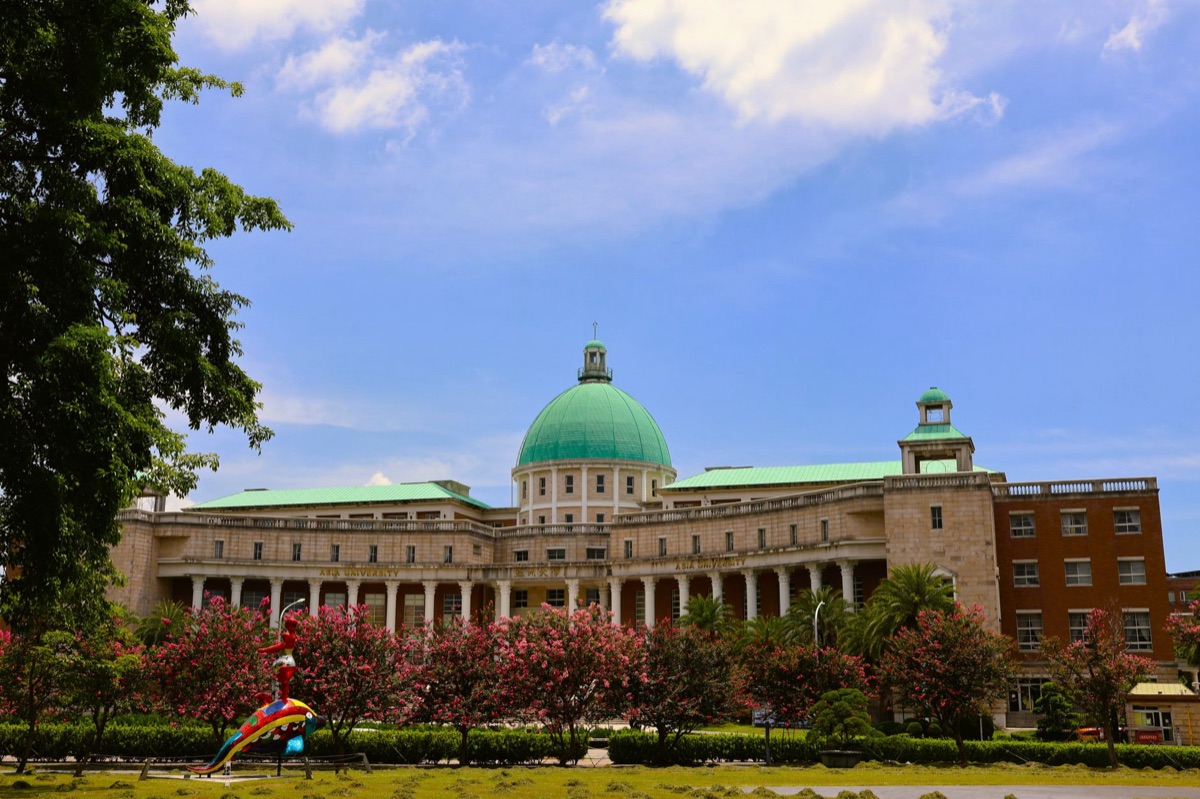
How was the framework for higher learning established? During the frantic dawn of the Meiji era, a student grips a heavy Western textbook in a bustling Tokyo classroom, feeling the vibration of steam engines through the floorboards.
In the late 19th century, the atmosphere in Tokyo shifted from the quiet contemplation of the samurai to a frantic, purposeful energy. The Meiji Restoration brought a sudden, overwhelming need for Western science, law, and engineering to prevent the nation from being eclipsed by global powers.
It was during this era that the skeletal structure of modern Japanese higher education was forged.
The government began consolidating various specialized schools into comprehensive universities. These institutions were designed to produce the bureaucrats, engineers, and leaders required to rebuild a nation.
The focus was pragmatic: how could we translate Western knowledge into a Japanese context to build a modern state? This period saw the birth of the elite institutions that would eventually become the names recognized worldwide today.
This era of rapid change required a massive scale of organization. The sheer magnitude of transitioning an entire society's intellectual framework is reflected in the economic scale of the region today.
For instance, Tokyo's nominal gross domestic output was 120.2 trillion yen (US$887.9 billion) in FY2022, accounting for 21.2% of Japan's economic output.
This level of economic dominance is a direct descendant of the human capital developed during that transformative period of educational formalization.
From Foundation to Apex: The Ascent of Modern Tokyo Campuses
Walking through the Hongo district in Bunkyo, the air feels different—quieter, more contemplative, yet charged with a sense of purpose. This is the heart of Tokyo’s academic identity.
In the early days, the mandates of these institutions were narrow, often focusing on single disciplines like medicine, law, or engineering to serve the immediate needs of the state.
As the decades passed, these foundational bodies underwent a massive evolution. They moved from being state-controlled training grounds to becoming centers of independent research and global academic exchange.
The shift was from "learning how to serve the state" to "producing knowledge that advances humanity." This transition required a massive expansion of scope, moving from single-subject colleges to the multidisciplinary powerhouses we see today.
| Feature | Early Modern Institutions | Modern Tokyo Universities |
|---|---|---|
| Primary Goal | State-building and vocational training | Global research and innovation |
| Curriculum | Highly specialized/Narrow | Multidisciplinary/Broad |
| Focus | Local/National application | International/Scientific advancement |
| Student Profile | Future bureaucrats and specialists | Global scholars and innovators |
The ability of these institutions to adapt is what allowed them to survive the transition from an empire to a global economic leader. They didn't just teach science; they learned how to integrate science into the very fabric of a changing society.
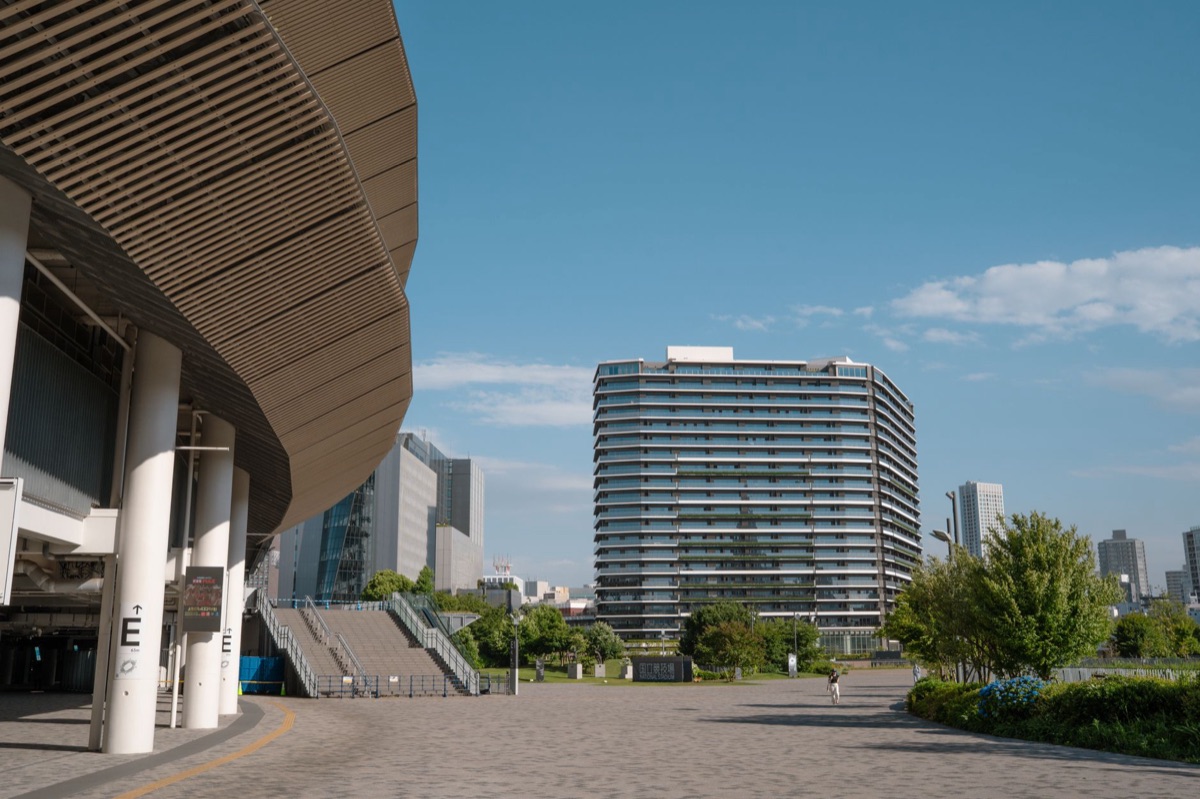
The Modern Ecosystem: Tokyo's Universities in the Globalized Present
Standing at a busy intersection in Roppongi, you might see a group of international students debating philosophy over coffee. This scene is a perfect snapshot of the modern academic ecosystem. According to World Bank data, Japan recorded international tourist arrivals of 4,115,800 in 2020.
Today, Tokyo’s leading universities are no longer just national assets; they are global hubs that attract talent from every corner of the planet.
The current global standing of these institutions is defined by their ability to lead in fields like robotics, materials science, and biotechnology. They serve as the primary engines driving Japan's contemporary technological and cultural output.
The relationship between the university and the city is symbiotic: the city provides the industry and the platform, while the universities provide the intellectual fuel that keeps the economy moving.
This intellectual output is a significant driver of the region's prosperity. The economic weight of the modern era is heavily supported by the high-skilled workforce produced by these academic centers.
In the current global economy, the ability to innovate is the primary currency, and Tokyo’s academic institutions remain at the forefront of that exchange.
Navigating the Urban Pulse: Tokyo as a Living Laboratory
Driving through the sprawling metropolis, you realize that Tokyo is not just a collection of buildings, but a living, breathing laboratory of human organization.
The density, the efficiency, and the sheer scale of the infrastructure are test cases for the theories taught in the lecture halls of Bunkyo and Minato.
The dynamism of the city mirrors the dynamism of its academic pursuits. Just as a researcher must constantly update their methods, the city itself is in a state of perpetual, structured evolution.
The intellectual rigor that was once used to build a nation is now used to navigate the complexities of a globalized, high-tech society.
The scale of the city is vast, much like the scope of its intellectual history. From the central hubs to the outlying islands that extend as far as 1,850 km from central Tokyo, the influence of the capital's intellectual core reaches far beyond the city limits.
This vastness is managed by the same spirit of organization that was first codified in the classrooms of the Meiji era. #



Comments 0