Local Gaze Matters: Dressing for Tokyo's Corporate Culture
"If you walk into a Marunouchi boardroom in cargo shorts, you aren't just making a fashion statement; you're sending a message about your respect for the hierarchy."
Navigating the transition from a breezy morning walk in Yoyogi Park to a professional setting in Shinjuku requires more than just a change of pace—it requires a change of wardrobe.
For many expats and travelers in 2026, the heat of a Tokyo summer poses a dilemma: how do you stay cool without looking like you're headed to a poolside brunch?
* Context is everything: Distinguish between traditional corporate offices and modern tech hubs. * Fit and fabric matter: Tailored cuts are the key to professional acceptance. * Observe before acting: Always gauge the local office vibe before setting a new trend.

Is Wearing Shorts to Work in Tokyo Acceptable?
The sun hits the pavement in Ginza in July, reflecting heat that makes even a light linen suit feel heavy. I remember walking toward a meeting in a sharp blazer during the summer of 2025, feeling the sweat build up, wondering if I could have just worn chinos instead.
In Tokyo, the acceptability of shorts depends entirely on the "flavor" of your office. In traditional corporate environments—think banking, law, or large-scale manufacturing firms in Chiyoda—the standard remains conservative.
In these spaces, "business casual" often still implies full-length trousers.
However, in the tech-driven hubs of Shibuya or the creative agencies in Roppongi, the rules are loosening. The modern standard often revolves around a specific type of transition wear.
Since the mid-2010s, there has been a noticeable shift toward more relaxed but structured silhouettes, such as jogger pants and tapered chinos, which bridge the gap between casual and professional.
While you might see a designer in Daikanyama wearing something much shorter, the general rule in a professional setting is that your attire should signal readiness to work, not readiness to relax.
If you are entering a high-stakes meeting, the "business" part of business casual usually takes precedence over the "casual" part.
But even if you follow the rules, there is a specific look that separates a professional from a tourist.

What Makes a "Work-Appropriate" Short in Tokyo?
I stood in a department store in Shinjuku last summer, looking at a rack of various cotton blends, trying to figure out which ones wouldn't draw judgmental glances from a passing manager. The sheer variety of cuts can be overwhelming when you are trying to strike a balance.
To make shorts work in a professional setting, you must prioritize structure over comfort. This is not the time for mesh, fleece, or anything with a drawstring that looks like it belongs on a hiking trail. The goal is to mimic the silhouette of a trouser.
The key elements of a successful "office short" include:
- Tailored Silhouettes: Look for tapered chinos or structured khaki shorts. These provide a clean line that looks intentional rather than accidental.
- Controlled Inseams: While shorter cuts have become popular in casual fashion, a 7-inch inseam is generally the upper limit for a professional setting. A 5-inch inseam might be too bold for most offices, leaning more toward a weekend look.
- Fabric Weight: Choose high-quality cotton or linen blends that hold their shape. If the fabric is too thin or wrinkled, it immediately looks sloppy.
By choosing a pair of well-fitted, tapered chinos that hit just above the knee, you can often navigate a casual Friday without a second thought. However, looking the part is only half the battle; you also have to deal with the social atmosphere.
Navigating the Local Gaze: What Do Tokyoites Think?
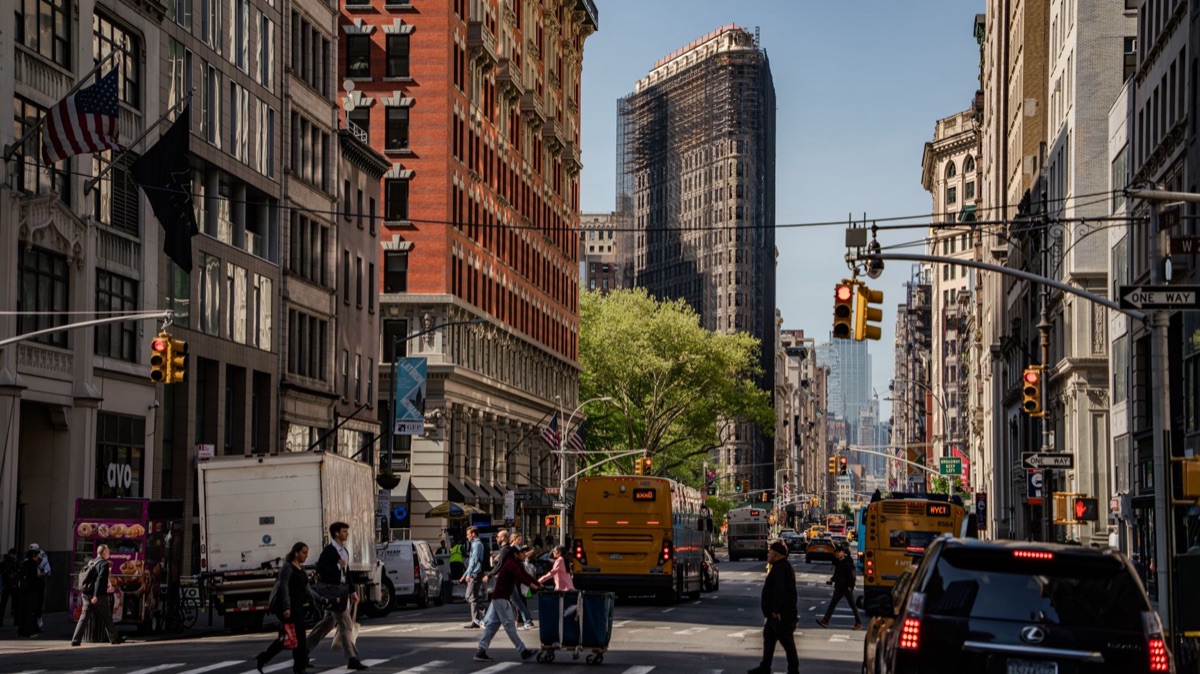
Walking through a crowded subway station during rush hour, you can almost feel the collective gaze of the commuters as someone walks by in non-traditional attire. In the heat of a 2026 summer, the visual contrast between a suit and shorts is stark.
In Japan, there is a subtle but profound difference between being "acceptable" and being "expected." You might be allowed to wear shorts in your office, but that doesn't mean you will be expected to do so.
The local gaze is often quiet; you won't hear a lecture, but you might feel the weight of a thousand unspoken observations.
Japanese professional culture places a high value on harmony (*wa*) and situational awareness. If your attire stands out too much, it can be interpreted as a lack of consideration for the group or a disregard for the company's dignity.
When you wear shorts, you are essentially stepping outside the norm. To do this successfully, you must ensure that the rest of your outfit is impeccable to prove that your choice is a deliberate style decision, not a lack of effort.
If you are a visitor or a new employee, it is always safer to err on the side of caution. Observe how your senior colleagues dress during a heatwave before you make your move.
But what happens when you realize you've miscalculated the vibe of the room?
Beyond the Garment: The Full Outfit Equation
I once saw a colleague wear a very neat pair of navy chinos and a crisp white shirt, yet he still looked "too casual" because he paired them with bright, athletic sneakers. It was a jarring mismatch that felt out of place in a quiet office.
The shorts are only one part of the equation. To maintain a professional appearance, you must balance the casual nature of the lower half with a more formal upper half. If you are wearing shorts, your shirt should likely be a button-down or a high-quality polo—never a graphic t-shirt.
Consider these execution tips:
* Footwear is the Anchor: Avoid flip-flops or heavy hiking boots. Loafers, clean leather sneakers, or boat shoes are much more appropriate. * The Sock Rule: Depending on the length of your shorts, you may want to opt for "no-show" socks to maintain a clean leg line. Visible athletic socks can ruin a polished look. * Maintenance is Mandatory: Because shorts expose more skin, any stains or heavy wrinkling are much more noticeable. Keep your items pressed and clean.
| Feature | Casual/Weekend Style | Professional/Office Style | | :--- much | :--- | :--- | | Inseam Length | 5-inch or longer | 7-inch to 9-inch | | Fabric | Jersey, Mesh, Denim | Chino, Linen, Twill | | Fit | Loose or Oversized | Tailored or Slim-fit | | Pairing | T-shirts, Hoodies | Button-downs, Polos |
Even with the perfect outfit, you might still find yourself in a social bind.
Quick Fixes & Cultural Do's/Don'ts
Sometimes, you realize halfway through a commute that your outfit is a bit too casual for the meeting you are about to attend. In a city as fast-paced as Tokyo, you need a plan for these moments.
If you find yourself in a situation where you feel underdressed, remember that you can often "fix" a look by adding a layer. A light unstructured blazer or a long-sleeve linen shirt can instantly elevate shorts into something more acceptable for a business setting.
The Golden Rules of Summer Workwear:
- If in doubt, cover up: If you are visiting a client or attending a formal ceremony, leave the shorts at home.
- Avoid "Sloppy" vs. "Relaxed": "Relaxed" is a style; "sloppy" is a lack of care. Avoid cargo pockets, frayed edges, or overly baggy fits.
- Consult your surroundings: If you are new to a company, ask a trusted local colleague, "Is this attire appropriate for our office?" It shows respect for the culture.
#




Comments 0