4 Pro Strategies to Find Authentic Tokyo Alleyway Eateries
"The true flavor of Tokyo isn't found under the bright neon signs, but behind the small wooden doors at the end of a quiet alley."
To experience the real soul of Tokyo, you must look beyond the first page of any guidebook and focus on the tiny eateries where locals quietly slip inside. This guide provides practical strategies to bypass the tourist crowds and experience the deep, authentic flavors of the city.
* Key Strategy: Instead of hitting the flashy city centers, target the backstreets of residential areas or neighborhoods surrounding train stations. * sTime Management: Plan your itinerary in half-day or full-day blocks to account for travel time between different districts. * Pro Tip: Aim for weekday lunches or early dinners to enjoy the local atmosphere without long wait times.
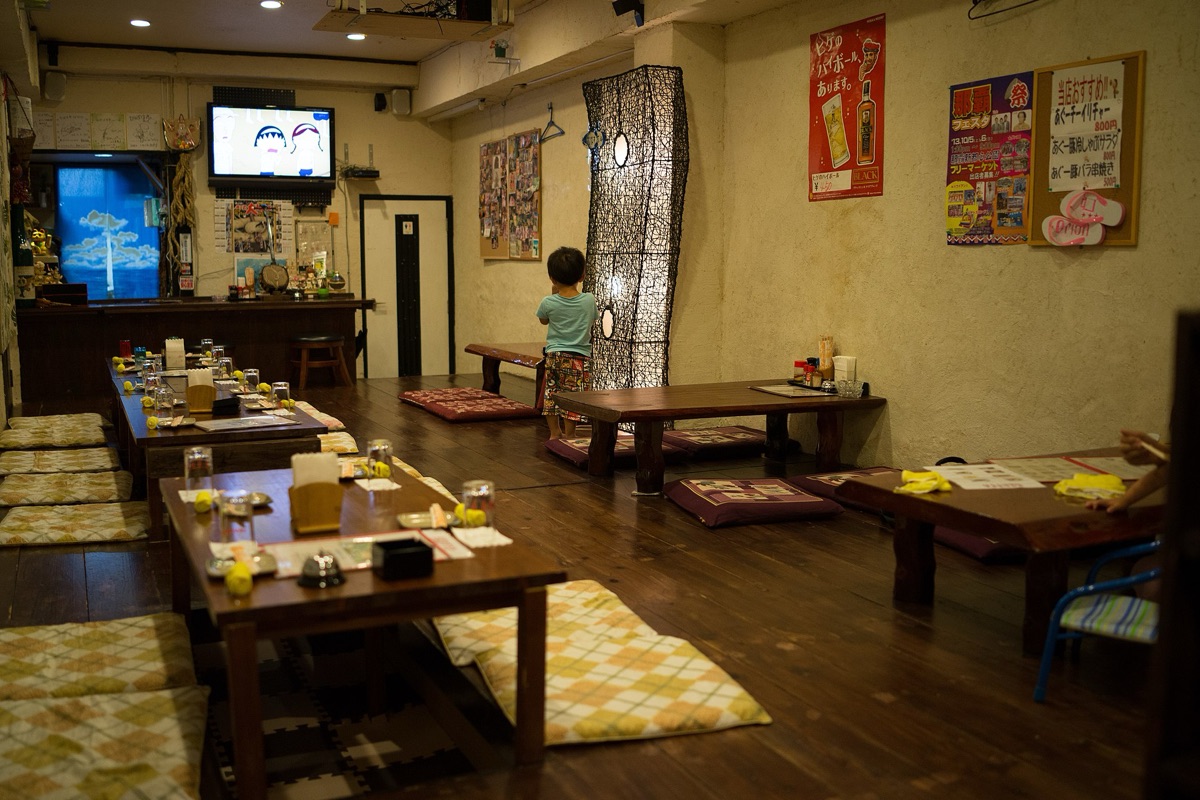
Why do we hunt for hidden alleyway eateries?
In the dim twilight of a narrow alley, the scent of charcoal drifts toward me as I push aside a heavy wooden door.
On a rainy Tuesday afternoon, I step away from the bustling streets of Shinjuku and turn into a quiet residential neighborhood. Walking down a narrow path, a small restaurant with a weathered sign appears, where the sight of weary workers enjoying a simple, peaceful meal unfolds inside.
Tokyo is a massive economic powerhouse, with a nominal gross domestic output of 120.2 trillion yen (US$887.9 billion) in FY2022, accounting for 21.2% of Japan's total economic output.
Within this massive economic scale, Tokyo's food culture exists as a unique ecosystem where flashy city centers and humble outskirts coexist.
While many visitors focus on famous landmarks, the city's true energy comes from the eateries woven into the daily lives of its residents. In a city where diverse culinary cultures intersect as deeply as its economic sectors, how do we find the "real" thing?
As of 2025, the trend of seeking authentic, non-tourist dining experiences has reached an all-time high. In 2026, travelers are increasingly prioritizing character over polished branding. As of 2026, the search for culinary authenticity remains a primary motivator for urban explorers.
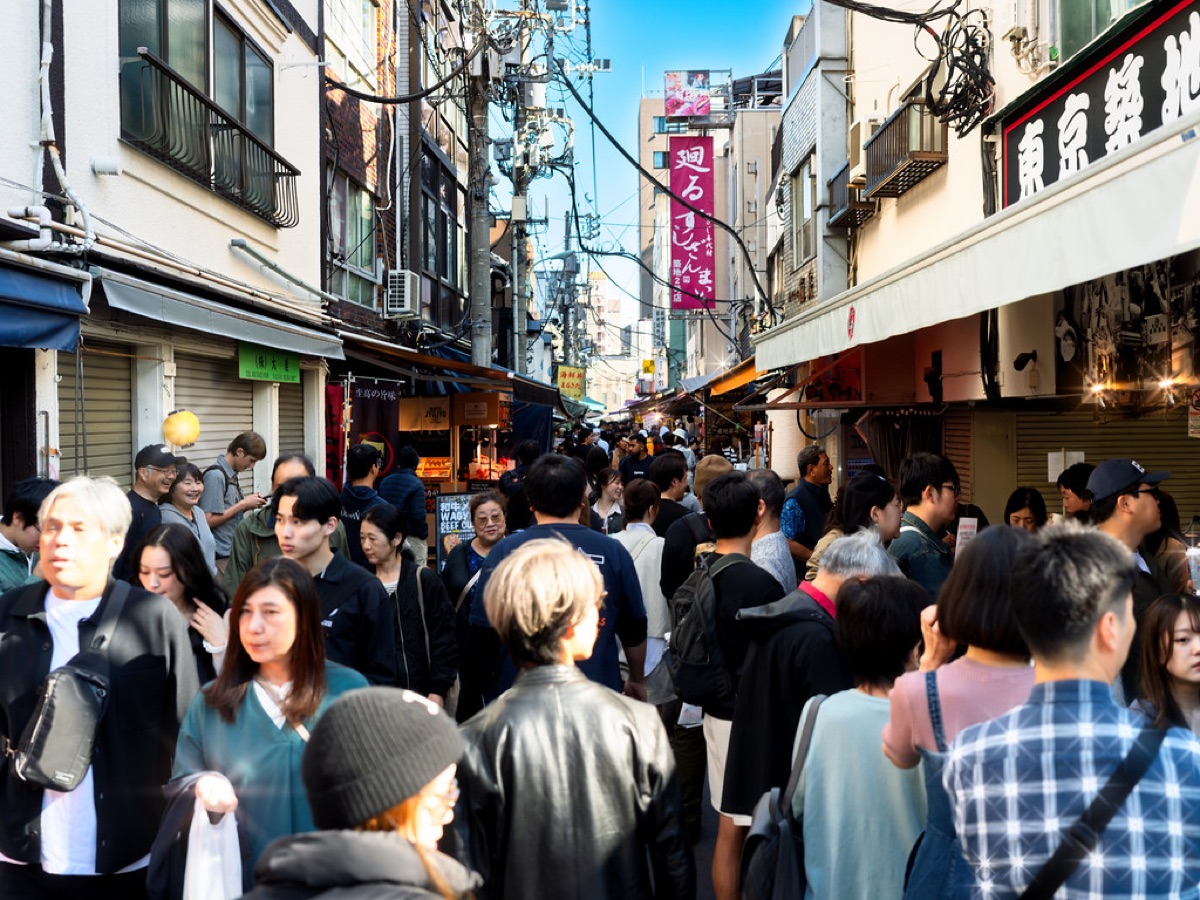
How can you find local gems without failing?
With a heavy map clutched in my hands, I wander through the quiet backstreets at dusk to find the perfect corner seat.
Instead of just packing a suitcase, we must first understand the geography and climate of Tokyo. Walking through narrow alleys means facing unexpected temperature shifts or complex transit layouts.
The mainland portion of Tokyo lies northwest of Tokyo Bay and measures about nasal 90 km (56 mi) east to west and 25 km (16 mi) north to south.
Because this vast area contains countless interlocking alleys and restaurants, choosing a destination requires considering the physical size and travel distance of the district.
Before visiting a restaurant, you should complete a few practical preparations.
- Set a Regional Hub: Pick a major anchor like Shinjuku, Shibuya, or Asakusa, then explore the smaller neighborhoods surrounding them. 2. Verify Operating Hours: Many local eateries have strict "break times" between lunch and dinner service. 3. Prepare Cash: Remember that many local shops still prefer cash-only transactions. 4. Check Reservation Policies: While popular spots require bookings, keeping a list of walk-in friendly places ensures a flexible schedule.
Look for establishments where the menu features only 5~10 signature dishes to ensure quality. Most successful hunts require walking about 15~20 minutes away from major transit hubs. You should aim to visit during off-peak hours, typically between 2:00 PM and 4:00 PM, to avoid long waits. Budgeting roughly $15~25 per person allows for a high-quality meal in these hidden spots.
What does the regional culinary map look like?
The heart of Tokyo has distinct personalities depending on the district. Some areas overflow with modern sophistication, while others retain a sense of old-world charm.
| District Type | Primary Atmosphere | Recommended Food Types | Characteristics |
|---|---|---|---|
| Shinjuku / Shibuya | Trendy and Dynamic | Ramen, Izakaya, Fusion | High energy that lasts late into the night |
| Asakusa | Traditional and Classic | Sushi, Tempura, Traditional Sweets | Maintains the scent of the Edo period |
| Residential / Outskirts | Quiet and Peaceful | Home-style cooking, Soba, Cafes | A glimpse into the daily lives of locals |
Just a short distance from the bright lights of Shinjuku, tiny restaurants appear as if time has stood still. Seeing workers set down their bags to enjoy a warm bowl of soup offers a snapshot of authentic Tokyo life.
Understanding these regional differences makes choosing a restaurant much easier. While Tokyo is a massive economic center, its individual eateries exist like small villages, each maintaining its own unique identity.
When I tried this, I was surprised to find that the best flavors often came from the smallest, most unassuming kitchens. I realized that the most memorable meals weren't in grand dining halls but in narrow corridors.
How to eat like a local
The moment you step through a restaurant door, you should act as a respectful guest rather than a tourist. Japanese dining culture often follows quiet, considerate rules.
Inside a cramped shop, I sit at a wooden table and flip through a menu. I exchange a light nod with the person in the next seat and place my order quietly. When the food arrives, I take a moment to appreciate the carefully prepared dish and the flavors of the region.
There are a few things to keep in mind when visiting local eateries.
- Seating Assignments: It is standard to sit in the seat designated by the staff; being first to arrive does not always mean you pick your seat. 2. Ordering Methods: If there is no digital kiosk, you may need to order directly or write your order on paper. 3. Dining Etiquette: Avoid loud conversations and settle your bill quietly when finished. 4. Handling Change: It is common to hand over coins one by one; rather than using large bills, try to have appropriate change ready.
The temperature in Tokyo can also influence your dining plans. According to the Tokyo Metropolitan Government, the annual mean temperature has increased by about 3 °C (5.4 °F) over the past 100 years.
Because the menu and atmosphere change with the seasons, choosing dishes that match the temperature is key.
As of 2025, dining etiquette has shifted toward more casual, communal styles in urban centers. In 2026, understanding local peak dining hours is essential for a seamless experience. As of 2026, the preference for seasonal ingredients defines the modern local palate.
How to build a perfect itinerary with surrounding areas
A single meal cannot capture the full charm of Tokyo. After eating, it is best to find a place that maintains the mood of the neighborhood.
In the bright afternoon sun, after a hearty meal, I visit a nearby park or a small museum. The change in air as I emerge from a narrow alley back onto a main road adds to the joy of discovery.
Here is a recommended course for an efficient culinary exploration:
- ly Morning: Start with a light meal at a traditional local market or an old-fashioned cafe. 2. Afternoon: Enjoy lunch at a small alleyway eatery slightly away from the main hub. 3. Late Afternoon: Relax with a walk through a local neighborhood or a visit to a small art gallery. 4. Evening: Return to a vibrant district or a moody alley to experience a local Izakaya.
Tokyo is a vast region that includes distant islands as well as the city center. According to the Tokyo Metropolitan Government, the Ogasawara Islands extend as far as 1,850 km (1,150 mi) from central Tokyo.
This massive geographic backdrop explains why Tokyo's food culture can have such diverse origins.
Plan to allocate 2~3 hours for a single culinary exploration to prevent burnout. It is wise to group eateries within a 1~2 mile radius to minimize travel time. You should carry about $50 in small denominations for cash-only establishments. A well-paced itinerary should include 1~2 rest stops at local cafes to balance the heavy meals.



Comments 0