80°F+ Heat: The Rise of Tailored Shorts in Japanese Work
"It’s not just a heatwave; it feels like the city is breathing fire."
Walking through the Shinjuku station transfer tunnels at 2:00 PM, the air feels thick enough to swallow. You see a sea of white shirts and dark trousers, but lately, a new silhouette is appearing in the professional crowds: well-tailored shorts.
Key Takeaways * Tokyo’s rising temperatures are forcing a fundamental shift in professional dress codes. * The "Cool Biz" movement has paved the way for more relaxed, heat-adaptive office attire. * Understanding the humidity and temperature trends is vital for anyone commuting in the city.
* Practical wardrobe choices can be the difference between a productive day and heat exhaustion.
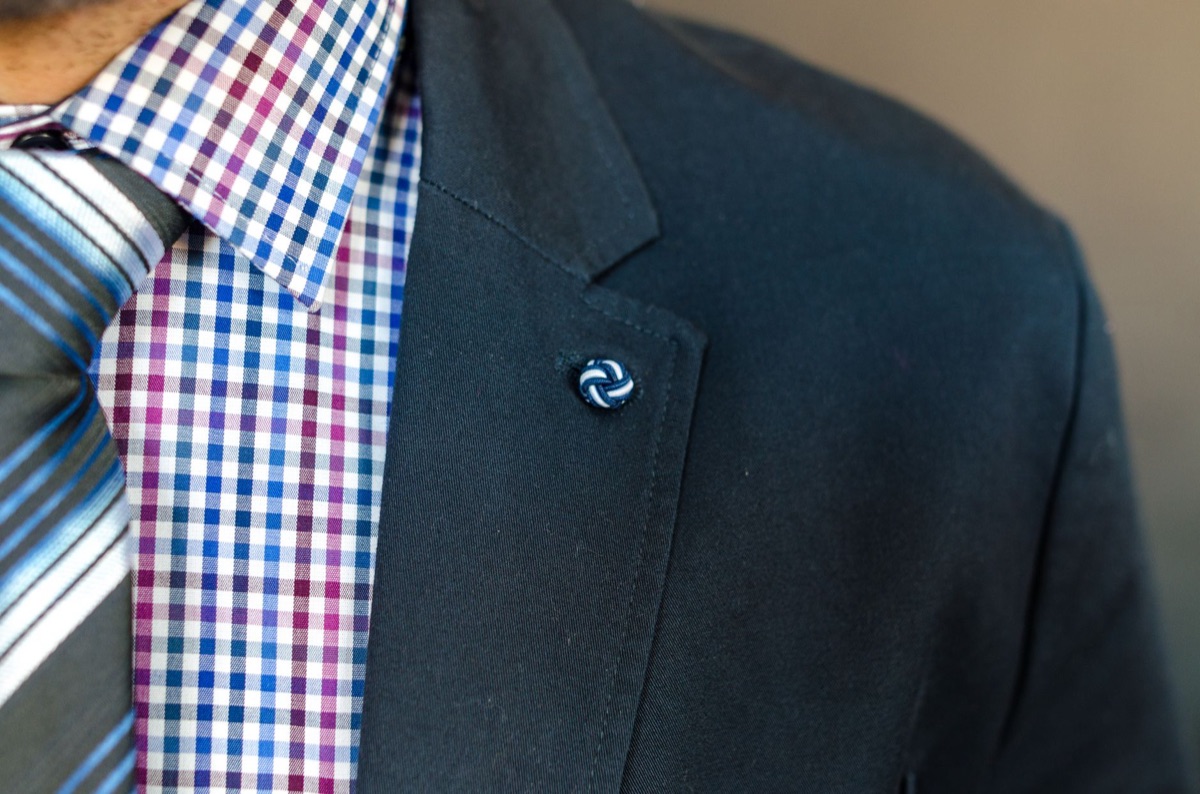
Why is Tokyo's Summer Heat So Intense?
The sun beats down on the asphalt of Ginza, making the air shimmer above the road. A businessman wipes sweat from his brow with a handkerchief, looking toward the sky as if expecting the heat to break.
The reality of Tokyo’s summer is becoming increasingly extreme. The warmest month is August, which averages 26.9 °C (80.4 °F), but the humidity often makes the "real feel" temperature much higher. This isn't just a seasonal fluke; it is a long-term shift.
According to the Tokyo Metropolitan Government, the annual mean temperature has increased by about 3 °C (5.4 °F) over the past 100 years.
This warming trend clashes directly with the traditional image of the Japanese salaryman in a full suit. As the city grows denser and the heat intensifies, the gap between traditional professional expectations and biological necessity is closing.
The heat is no longer just an inconvenience; it is a logistical challenge that requires a change in how we dress.
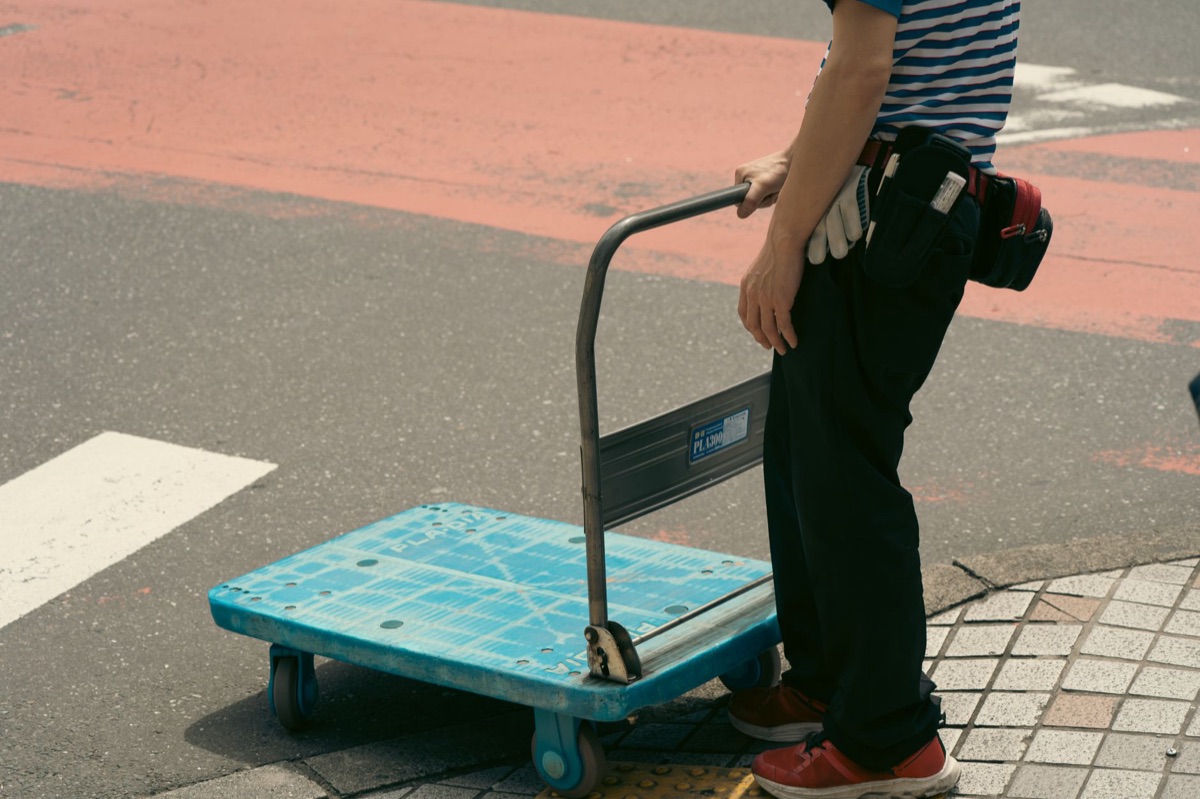
The Rise of "Shorts-to-Office": Is it a Trend or Necessity?
A young professional steps off a train at Shibuya Station, wearing navy linen shorts and a crisp button-down. He looks polished, yet significantly cooler than the men in heavy slacks.
The shift toward wearing shorts in professional settings is a pragmatic response to a changing climate. In recent years, the "Cool Biz" initiative—a government-led campaign to save energy by relaxing dress codes—has loosened the grip of the traditional suit.
While full shorts might still be too casual for conservative law firms or banks, many tech companies and creative agencies in districts like Minato or Shibuya have embraced them.
The primary driver is the sheer humidity. In a city where you might walk ten minutes between stations and another ten to your office, heavy trousers can lead to heat stroke.
The trend is moving toward "smart casual" where breathable fabrics like linen and high-tech moisture-wicking materials take center stage. The goal is to maintain a professional silhouette while allowing for airflow.
In many modern offices, the rule is simple: as long as the shorts are tailored and knee-length, you are following the new standard of heat management.
Essential Survival Guide: Dressing for Tokyo's High Temperatures
The morning commute begins at 8:30 AM, and the platform at Tokyo Station is already a furnace. Commuters move in a synchronized dance, trying to find the slightest breeze.
Surviving the Tokyo heat requires a strategic approach to clothing. It is not just about wearing less; it is about wearing smarter. If you are transitioning from a hot street to a heavily air-conditioned office, layering is your best friend.
| Strategy | Item Suggestion | Purpose |
|---|---|---|
| Fabric Choice | Linen, Seersucker, Airism | High breathability and moisture wicking |
| Layering | Light Uniqlo cardigan or blazer | Managing the transition to cold AC |
| Bottoms | Tailored shorts or lightweight chinos | Airflow and heat dissipation |
| Footwear | Breathable loafers or stylish sneakers | Preventing foot perspiration |
- Prioritize Natural and Tech Fabrics: Look for linen blends that dry quickly. In Japan, many people use "Airism" technology to manage sweat against the skin. 2. The "Office-Ready" Short Rule: If you work in a traditional environment, stick to dark-colored, structured shorts that look like trousers. 3. Manage the AC Gap: Offices in Tokyo are often kept very cold to compensate for the heat outside. Always carry a light layer to prevent catching a cold when you transition indoors. 4. Hydration is Part of the Outfit: Carry a reusable bottle or know where the nearest vending machine is. Dehydration makes heat sensitivity much worse.
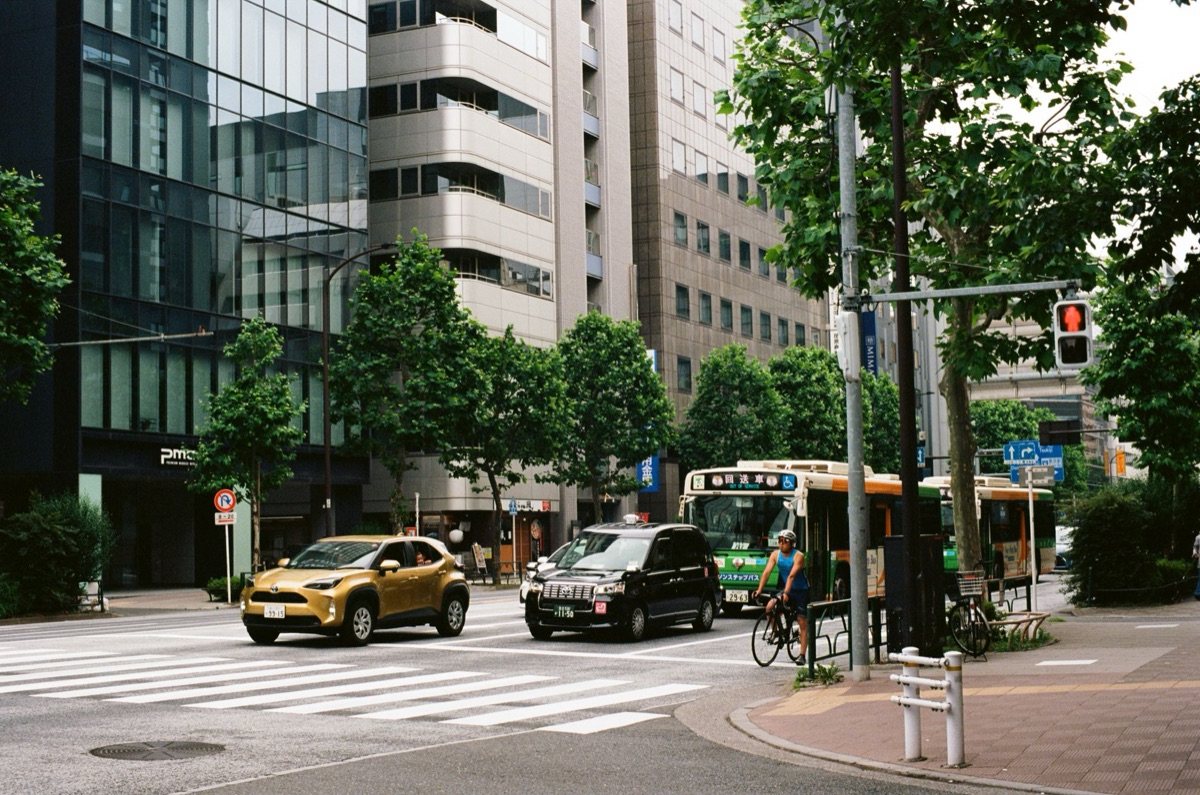
Beyond Attire: Navigating Daily Life in Tokyo's Heat
The underground walkways of Tokyo stretch for miles, a labyrinth of cool air and moving crowds. A traveler follows the signs, staying below ground to avoid the midday sun.
Surviving the heat extends beyond what you wear. Tokyo’s infrastructure offers unique ways to dodge the temperature spikes.
The massive underground shopping malls and pedestrian tunnels—like those connecting major stations—allow you to travel significant distances without ever stepping into direct sunlight.
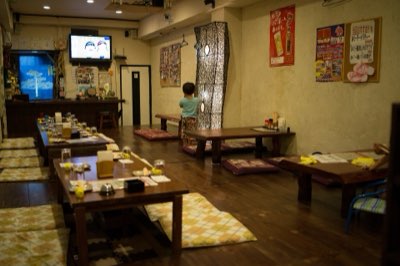
In terms of lifestyle, timing is everything. Many locals schedule heavy outdoor activities for the early morning or late evening. In the heat of the day, the city moves indoors. Dining often shifts to air-conditioned cafes or restaurants with excellent ventilation.
It is also common to see people utilizing "cool patches" (cooling stickers for the forehead) or portable hand fans. The city is built for density, and the heat is managed through a combination of high-tech infrastructure and individual adaptation.
Quick Fixes for Tourists Facing Tokyo's Summer Rush
A tourist stands at a crosswalk in Harajuku, shielding their eyes from the glare. They look slightly overwhelmed by the intensity of the light and the weight of their clothes.
If you are visiting Tokyo during the summer, the heat can be a shock to the system. Unlike some tropical climates, Tokyo’s heat is often accompanied by heavy, stifling humidity. To enjoy your trip without constant exhaustion, follow these tips:
* Dress Light, but Respectful: While you can wear shorts as a tourist, keep your attire somewhat modest if you plan to visit temples or traditional areas. Light, loose-fitting clothing is your best defense. * Utilize the "Underground" Strategy: Use the subway and underground walkways as much as possible. Many major districts have extensive subterranean networks that keep you out of the sun. * Plan Indoor Breaks: Do not try to sightsee all day. Schedule museum visits, department store tours, or cafe breaks during the peak heat hours of 12:00 PM to 3:00 PM. * Stay Hydrated and Salted: In Japan, you will see many electrolyte drinks in vending machines. Use them. Replacing lost salts is just as important as drinking water during a heatwave.

Comments 0