Beyond Basics: Navigating Tokyo's Deepest Social Codes
"Don't just visit Tokyo; live it—understanding these unspoken rules transforms a trip into a genuine cultural immersion."
Moving to or spending significant time in Tokyo is a sensory overload of neon lights, crowded intersections, and polite nods.
However, the transition from a visitor to a resident happens in the quiet moments—the way you stand in line, how you handle your trash, and how you navigate a silent train car.
Key Takeaways * Silence is often the loudest form of respect in high-density urban environments. * Small courtesies, such as strict queuing and meticulous garbage disposal, carry significant cultural weight.
* Anticipating unspoken social contracts prevents most cross-cultural friction and helps you integrate smoothly.
Why is "Saying Thank You" Not Enough in Tokyo?
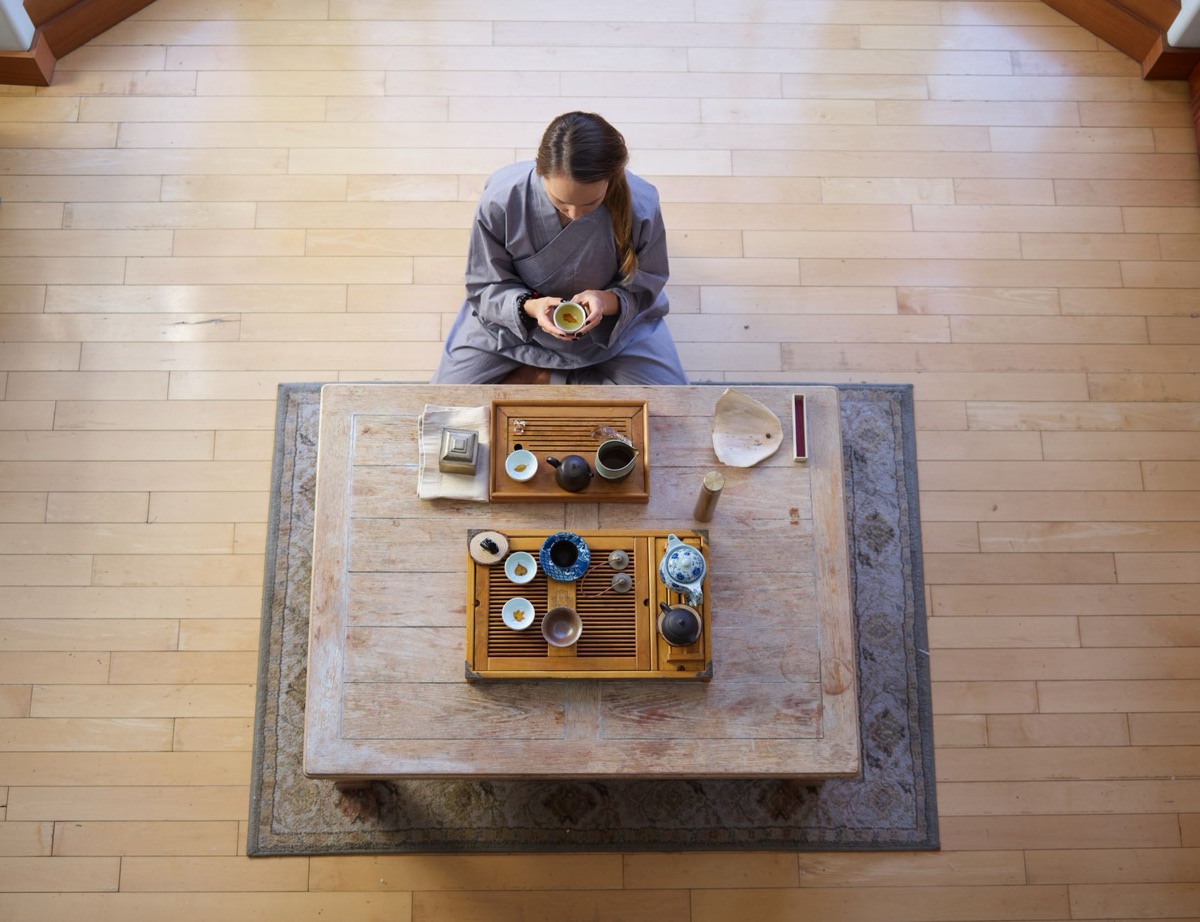
I remember standing in a small stationery shop in Ginza at 2:15 PM, clutching a fountain pen I had just purchased. I gave a polite nod and a verbal "Arigato," but the shopkeeper’s slight, graceful bow felt like it held a much deeper weight than a simple transaction.
In that moment, I realized that politeness in Tokyo isn't just about the words you say; it is about the physical space you occupy and the respect you show through gesture.
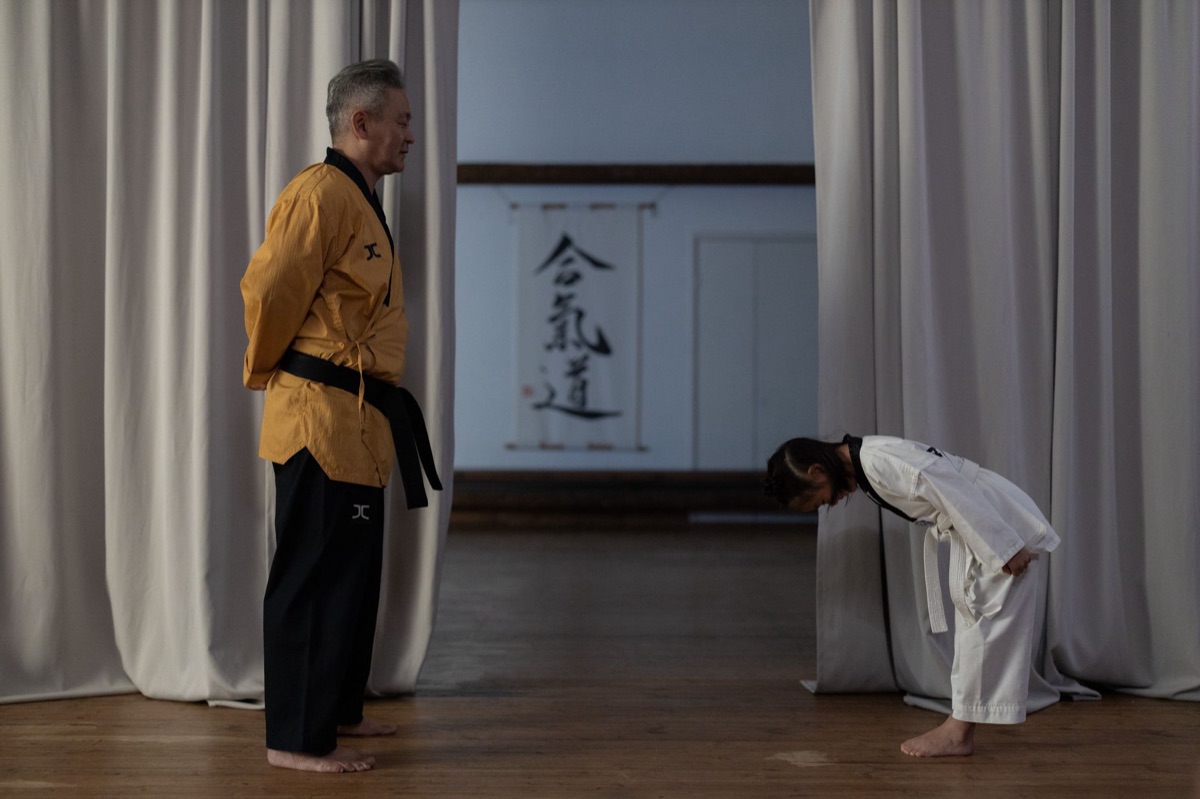
In Japan, verbal communication is often secondary to non-verbal cues. While a "thank you" is essential, the depth of a bow or the timing of a nod communicates your level of respect and your awareness of the social hierarchy.
A casual tilt of the head might suffice for a clerk at a convenience store, but a more formal bow is expected in professional settings or when meeting elders. In 2025, as international residency in Tokyo grew, these nuances became even more vital for successful integration.
Beyond physical gestures, there is the vital concept of *kuuki o yomu*, or "reading the air." This means being sensitive to the atmosphere of a room or a group. If a conversation dies down or a group shifts its focus, you are expected to sense that shift without being told.
In a high-density city like Tokyo, failing to "read the air" can lead to social friction, as you might inadvertently interrupt a delicate social balance.
This distinction between transactional and relational etiquette is crucial. In a quick transaction at a Lawson, politeness is efficient and streamlined.
However, when you are building relationships—whether through work or making local friends—the etiquette becomes more nuanced and focused on long-term harmony.
In dining, for example, using chopsticks correctly is a basic skill, but understanding the social flow of a shared meal is what truly marks you as someone who understands the culture.
But what happens when you leave the quiet shop and step into the organized chaos of the city's transit system?
Mastering Public Transit: The Ultimate Test of Urban Harmony
The platform at Shinjuku Station at 8:30 AM is a masterpiece of organized chaos. Thousands of people move in synchronized patterns, yet there is a striking lack of shouting or frantic running.
I once watched a commuter accidentally bump into a businessman; the apology was swift, quiet, and handled with a level of grace that prevented any scene from developing.
Public transit is the heartbeat of Tokyo, and following the protocol is essential for survival. During rush hour, the goal is to minimize your physical and auditory footprint. This means keeping your voice at a whisper, putting your phone on silent, and being mindful of your belongings.
If you are wearing a backpack, it is standard practice to hold it in front of you or place it on the overhead rack to avoid hitting other passengers in the crowded cars. In a packed train where density can reach 200% of capacity, this prevents unnecessary physical contact.
Queueing is another area where the "invisible line" governs much of the movement. Whether you are waiting for a train, a bus, or even a specific vending machine, there is always a line, even if there are no physical barriers.
Breaking this line or attempting to squeeze in ahead of others is a major social faux pas. The orderliness of the queue is what allows the massive population to move through the city without constant conflict.
When mistakes happen—such as missing a train connection or accidentally stepping on someone's foot—the art of *o-wabi*, or sincere apology, is key. A quick, polite apology can diffuse almost any minor tension.
In Tokyo, the goal is to maintain "wa" (harmony), and a well-timed apology is a tool to restore that balance quickly so everyone can move on.
But once you reach your destination and settle into a meal, the rules of engagement shift once again.
Dining & Socializing: Beyond Ordering Food
The smell of simmering dashi and grilled yakitori wafts through the narrow alleys of Omoide Yokocho at 7:45 PM, where the clinking of beer glasses provides a rhythmic backdrop to the evening.
Sitting on a cramped stool at an *izakaya*, I realized that dining in Tokyo is as much about the social ritual as it is about the food itself.
Dining etiquette involves specific rituals that can catch newcomers off guard. In many settings, slurping noodles is not considered rude; in fact, it can be a sign that you are enjoying the meal.
However, other behaviors, like sticking chopsticks upright in a bowl of rice, are strictly taboo due to funeral associations. When dining at an *izakaya*, it is common to order a round of drinks for the table, and there is a specific etiquette to pouring for others rather than yourself.
Gift-giving, or *omiyage*, is another pillar of social life. If you are invited to someone's home, you should never arrive empty-handed. Bringing a small, nicely wrapped gift from your home region or a local specialty is a gesture of respect and reciprocity.
This isn't just about the object, but about the thought and the social bond it reinforces.
| Setting | Key Etiquette Rule | Why It Matters |
|---|---|---|
| Convenience Store | Be quick and clear | High-efficiency service culture |
| Traditional Ryokan | Remove shoes at the entrance | Respect for clean living spaces |
| Formal Dinner | Do not tip | Tipping can cause confusion/offense |
| Public Train | Keep phone on silent | Minimizing noise pollution |
Tipping is a common point of confusion for Westerners. In standard service settings, tipping is not expected and can sometimes even be seen as confusing or slightly rude, as excellent service is considered the baseline.
The price you see is the price you pay, and the service is already built into the culture of hospitality. In 2026, as global travel remains high, this remains one of the most frequent points of friction for visitors.
But how do you navigate the transition from the tourist-heavy districts to the quiet residential streets where you actually live?
Navigating Modern Tokyo Life: Beyond Tourist Hotspots
Walking through a quiet residential neighborhood in Setagaya at 10:00 AM, the transition from the neon intensity of Shibuya to the stillness of the side streets is jarring. In these neighborhoods, the rules of engagement change entirely.
The hyper-efficiency you experience in a retail store gives way to a much more private, quiet social contract.
The level of service in Tokyo is incredibly high, but it is also highly structured. In convenience stores (konbini), transactions are lightning-fast and follow a specific rhythm.
While you should enjoy the efficiency, remember that these are professional environments where staff are following strict protocols.
One of the most important practicalities of living in Tokyo is garbage disposal. Unlike many Western cities, trash collection is highly regulated and varies by ward and even by block. There are specific days for combustible, non-combustible, recyclable, and oversized trash.
Failure to follow these strict rules can lead to friction with neighbors and even fines. In a high-density city, improper waste management is a significant community issue.
In residential areas, noise control is paramount. Whether you are playing music, using a vacuum, or simply talking on the phone, you must be mindful of the thin walls and the proximity of your neighbors.
Small gestures, like keeping your voice down in the evening, go a long of way in building a good reputation as a resident.
But even with all this knowledge, mistakes are inevitable. How do you handle them?
Quick-Fix Guide: Common Pitfalls to Avoid
I once sat in a traditional tea room, feeling a sudden wave of panic when I realized I had stepped onto a tatami mat with my shoes still on. The silent, collective intake of breath from the other guests was a clear signal that I had breached a fundamental rule of the space.
To avoid similar social friction, keep these "don'ts" in mind:
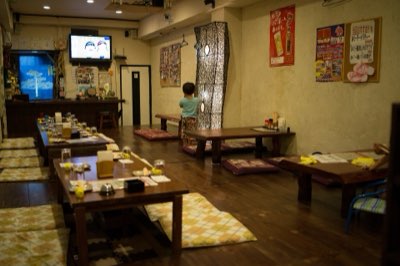
- Footwear Protocol: Always remove your shoes when entering a home, a traditional ryokan, or certain restaurants with tatami flooring. Look for the *genkan* (entryway) where shoes are left. Always wear clean socks, as you will often be walking in them.
- Eating While Walking: While you might see people snacking in busy areas, it is generally considered impolite to eat while walking through crowded streets. It is better to find a seat or stand near the shop where you purchased the food.
- Direct Confrontation: In Tokyo, bluntness can be perceived as aggression. If you need to disagree or say "no," it is often done through indirect language to save "face" for both parties.
- Punctuality: In Japan, being "on time" actually means being a few minutes early. Punctuality is a sign of respect for other people's time. If you are going to be even two minutes late, a quick message or call is essential.



Comments 0