Tokyo: Where Tradition Meets Future in Modern Japanese Art
"Tokyo is not just a city you visit; it is a sensory overload that demands you redefine your understanding of creativity."
Tokyo acts as a living laboratory where the weight of thousand-year traditions collides head-on with the neon-soaked velocity of the future. This friction doesn't just create art; it creates a specific kind of cultural energy that defines modern Japan.
Key Takeaways: * Tokyo serves as a dynamic nexus where deep-rooted Japanese traditions fuse with globalized modern artistic sensibilities. * The city's unique infrastructure and pace of life provide both the canvas and the muse for influential Japanese artists.
* The symbiotic relationship between local scenes and national pop culture trends is driven by this cultural friction.
How Does Tokyo Serve as the Muse for Modern Japanese Art?
The sun rises over the stone walls of the Imperial Palace at 6:30 AM, casting long shadows that whisper of the Edo period, while just a few blocks away, the electric hum of Shinjuku begins to vibrate through the pavement.
Walking through these streets, you realize you are stepping between two different timelines simultaneously.
The city's identity is built on this extreme duality. While the coastline of Tokyo Bay was shaped by rising sea levels during the Jomon period, the modern skyline was built on the ambition of a global metropolis.
This tension between the ancient and the hyper-modern provides a constant source of tension for creators.
In the quiet corners of Yanaka, you might see a craftsman working with wood using techniques passed down through generations. Meanwhile, in the heart of Shibuya, digital artists use massive LED screens to project surrealist animations that blend organic shapes with glitch aesthetics.
This constant presence of both the "rooted" and the "transient" forces artists to constantly negotiate their place in time.
Niche subcultures, such as the deep-dive hobbyist movements often associated with Akihabara, have moved from the fringes to the very center of Japanese visual identity. What started as small, intense communities of collectors and creators has evolved into a massive engine of mainstream pop culture.
This transition proves that in Tokyo, the "small" often becomes the "large" through sheer intensity of focus.
But how do these individual creators transition from local obsessions to global movements?
Who are the artists shaping pop culture? Walking through a narrow Koenji alley at midnight, the smell of rain on hot asphalt clings to the cooling air.
A late-night walk through a narrow alley in Koenji at 11:30 PM reveals a tiny, dimly lit live house where a band is playing a genre that sounds like nothing else on earth. The smell of rain on hot asphalt mixes with the scent of vintage clothing from a nearby thrift shop.
Tokyo's neighborhoods act as incubators for specific movements. Shinjuku has long been a playground for the avant-garde, while districts like Harajuku provided the visual language for street fashion that eventually conquered the global stage.
These areas are not just locations; they are ecosystems that foster specific artistic personalities.
The journey of many Japanese artists follows a pattern: they start in the underground, absorbing the chaotic energy of the city's subcultures, and eventually translate that energy into a language the rest of the world can understand.
Whether it is the visual complexity of certain manga artists or the sonic experimentation of electronic producers, the city's density acts as a catalyst for rapid stylistic evolution.
The relationship is symbiotic. Artists interpret the city's frantic pace and fragmented architecture, and in turn, the city absorbs these artistic interpretations, turning them into new landmarks of identity.
This cycle ensures that the culture never stagnates; it is constantly being rewritten by those who live within its pulse.
However, the sheer scale of this pulse can be overwhelming for those trying to find their own rhythm.
Is modern Tokyo life its own canvas? Standing at the Shibuya Scramble Crossing at 2:00 PM, you are part of a human tide, a synchronized chaos of thousands of people moving in perfect, unspoken harmony. The sound of footsteps, the chime of traffic lights, and the distant roar of the Yamanote line create a constant, rhythmic white noise.
The extreme density of Tokyo is a fundamental component of its creative spirit. Living in such close proximity to millions of others creates a unique psychological state—a blend of intense privacy and constant social observation.
This environment pushes artists to explore themes of isolation within a crowd, connection within anonymity, and the beauty of fleeting moments.
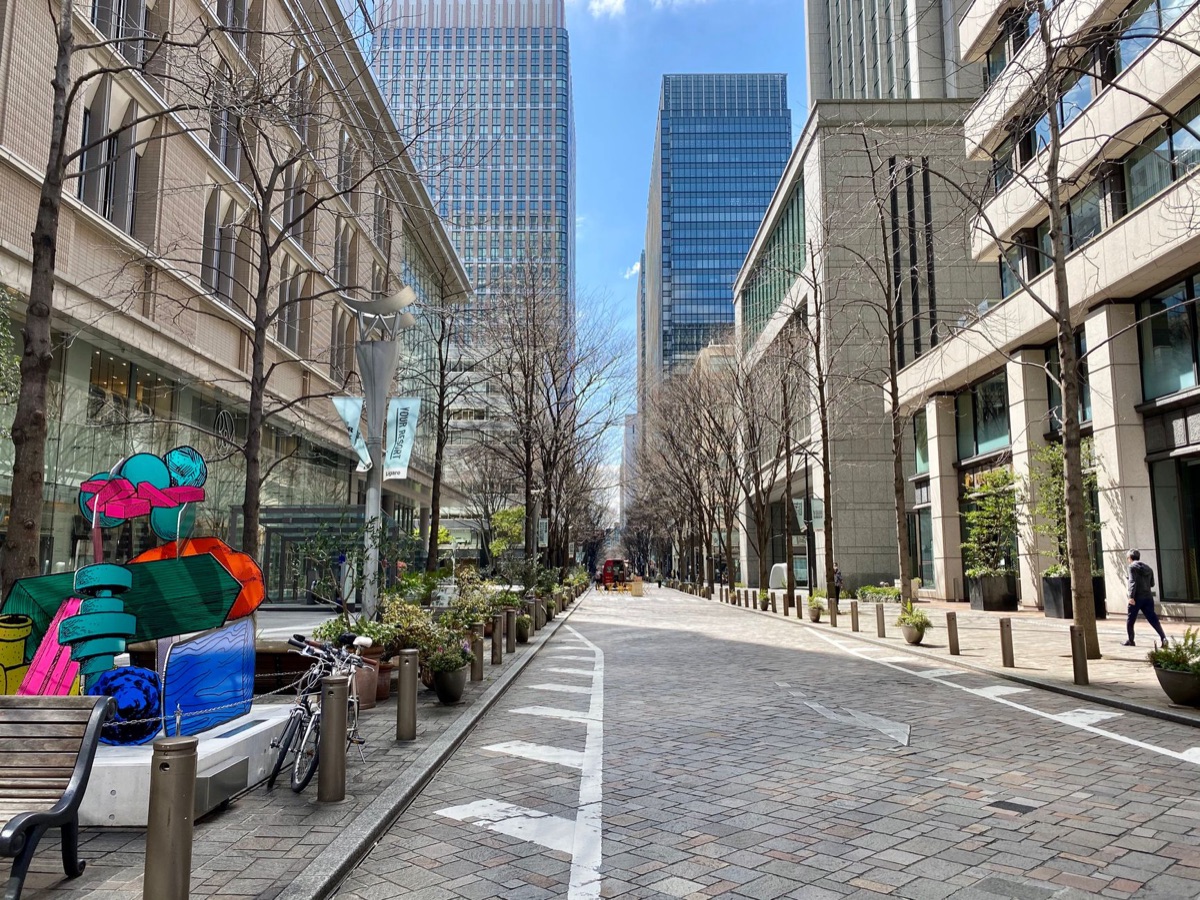
The contrast between the verticality of skyscrapers and the hidden, low-rise pockets of tradition creates a fragmented landscape.
This fragmentation reflects the internal lives of many residents, who must navigate both a highly structured social reality and a deeply personal, often hidden, inner world.
The integration of daily life elements—the ritual of the convenience store, the precision of the commuter rail, and the geometry of tiny apartments—becomes the subject matter itself.
For many creators, the "art" is not something separate from life, but something found within the precision of a perfectly timed train arrival or the aesthetic of a single vending machine.
When I first moved to Tokyo in late 2024, I spent hours just sitting in different subway stations, watching how the light hit the commuters. I realized then that the city itself is a masterpiece of movement.
But how do you navigate this masterpiece without getting lost in the noise?
Navigating the Currents: From Local Scene to Global Stage
A digital artist sits in a tiny apartment in Nakano at 3:00 AM, surrounded by screens, translating the sensory overload of the city into a single, cohesive digital masterpiece. The work is intended for a global audience, yet it feels intensely local.
The transition from a local niche to a global phenomenon often happens through the mastery of a specific aesthetic that feels both "other" and "universal." Tokyo artists often achieve this by taking a highly specific local element and refining it through a modern, technological lens.
However, operating within Tokyo's competitive ecosystem is a double-edged sword. The sheer volume of talent and the speed of cultural turnover mean that artists must be incredibly resilient.
The challenge is to maintain a unique voice while navigating a landscape that is constantly demanding the "new."
There is a profound difference between merely representing Tokyo and truly *being* Tokyo in an artistic sense.
Representation is often a surface-level mimicry of neon and crowds, whereas true artistic expression captures the underlying tension of the city—the struggle between the individual and the massive, moving collective.
But for the visitor, how do you find the real pulse amidst the neon?
A Visitor's Guide to Experiencing This Cultural Pulse
You step into a quiet, minimalist gallery in Roppongi at 1:00 PM, where the air is still and the lighting is surgically precise. Moments later, you are walking through a bustling seasonal festival in a neighborhood shrine, surrounded by the smell of yakisoba and the sound of taiko drums.
According to World Bank data, Japan recorded international tourist arrivals of 4,115,800 in 2020.
To truly experience the cultural pulse of Tokyo, you must look beyond the primary tourist landmarks. While the Tokyo Skytree offers a view of the scale, the real culture is found in the transition zones—the neighborhoods where residential life meets commercial energy.
Recommended Itineraries for Cultural Immersion
| Focus Area | Primary Neighborhoods | Best Time to Visit |
|---|---|---|
| Subculture & Street Style | Harajuku, Shibuya, Koenji | Weekend afternoons |
| Traditional vs. Modern | Asakusa, Ueno, Yanaka | Early morning |
| Digital & Avant-Garde | Akihabara, Roppongi, Shinjuku | Late evening |
How to Engage with the Scene
- Observe the Layers: Do not just look at the buildings; look at how the old shrines are tucked between the glass towers. This spatial tension is the heart of the city.
- Seek the "Third Space": Spend time in kissatens (traditional coffee shops) and small galleries. These are the quiet incubators of thought.
- Respect the Local Code: Understand that there is a time for performance and a time for observation. In many creative spaces, quiet observation is more valued than loud participation.
- Follow the Transit: Sometimes the best way to find a new cultural pocket is to take a local line to a station you have never visited and simply walk.
#

Comments 0