Tokyo Otaku Culture: Beyond Neon Lights, Find Deep Passion
"To truly see Tokyo, you must look past the neon lights and see the quiet, intense focus of the people beneath them."
If you walk through Akihabara expecting a loud, chaotic carnival, you might miss the actual heart of the culture. Real immersion isn't about loud colors; it's about understanding the profound, quiet dedication that defines a specific way of life.
* Understand that "Otaku" is a spectrum of passion, not a single caricature. * Learn to distinguish between tourist-centric hubs and genuine enthusiast havens. * Master the unspoken etiquette of shared spaces to respect local boundaries. * Shift your mindset from a passive observer to a respectful participant.
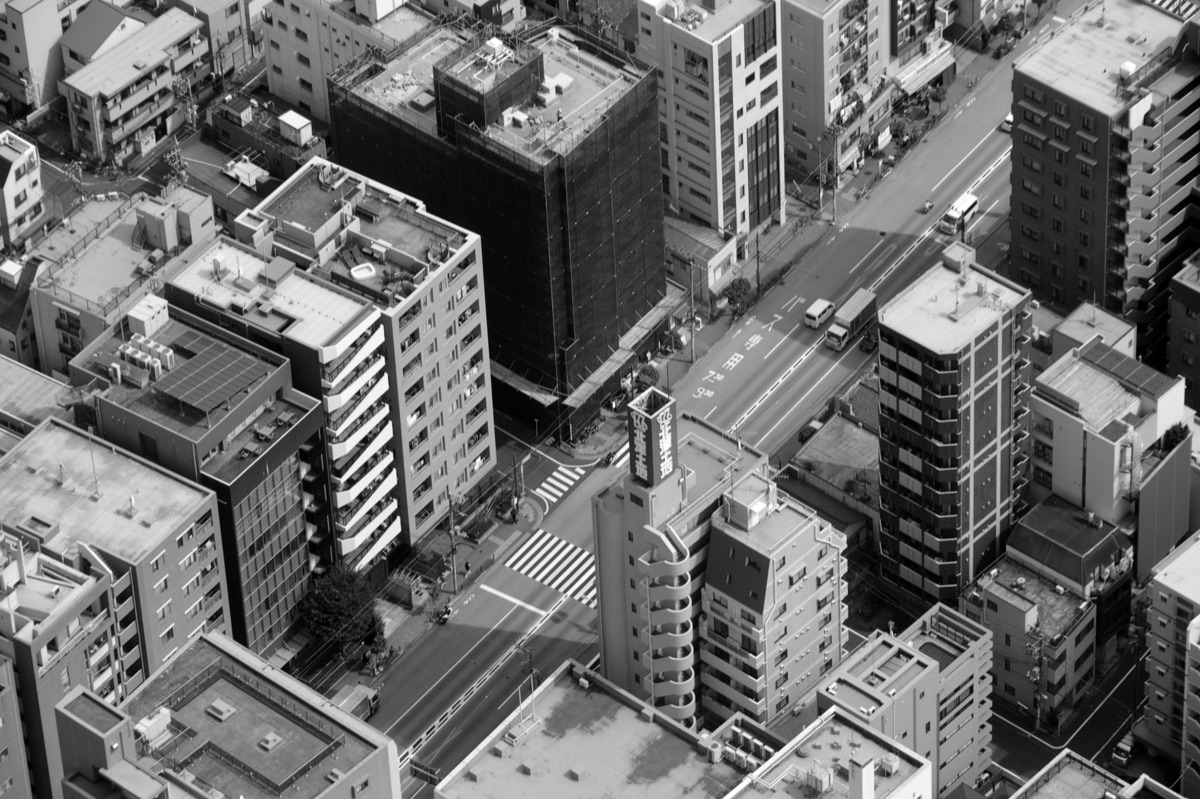
What exactly is otaku culture in modern Tokyo? Under the dim glow of a shop window at midnight, a collector leans forward to trace the smooth plastic of a rare figure, his breath fogging the glass.
The rain slicked the pavement of Chuo-dori at 2:00 PM on a Tuesday in July 2026, reflecting the giant LED screens, but a young man stood perfectly still in front of a glass display case, eyes locked on a vintage figurine.
He didn't look like a caricature; he looked like a scholar studying a masterpiece.
In the West, the term often conjures images of social isolation or extreme eccentricity. However, in the context of modern Tokyo, it represents a profound level of specialization and dedication to a specific subject.
It is a spectrum that ranges from casual hobbyists to those whose entire lifestyle is built around a niche interest.
This isn't just about cartoons or gaming; it is a way of engaging with the world through deep, focused expertise. For many locals, this passion is a legitimate pillar of their identity, often overlapping with their professional discipline or social circles.
While a tourist might see a "weird" hobby, a local sees a lifetime of curated knowledge.
The difference between a tourist and a participant lies in the depth of engagement. A tourist visits a themed cafe to take a photo and leave; a participant engages with the specific lore, the history of the items, and the community surrounding the interest.
To understand Tokyo, you must recognize that this intensity is often directed toward the small details rather than the grand spectacles.
But how do you actually find these pockets of intensity without getting lost in the tourist crowds?
Where can I experience the pulse of otaku life? The smell of old paper and ozone filled the air as I stepped into the dim, narrow corridors of a multi-story building in Nakano at 3:30 PM, where the sunlight barely reached the lower levels.
While Akihabara is the famous gateway, it often functions as a high-energy tourist hub. For those seeking the true pulse of deep-interest culture, you must look toward different types of spaces.
| Feature | Akihabara (Mainstream Hub) | Nakano Broadway (Deep-Dive Hub) |
|---|---|---|
| Primary Vibe | High-energy, neon, tourist-friendly | Nostalgic, dense, collector-focused |
| Inventory Type | New releases, mass-market goods | Vintage, rare finds, second-hand treasures |
| Crowd Density | High tourist turnover | High local enthusiast presence |
| Best For | First-timers and casual fans | Serious collectors and historians |
Akihabara is excellent for seeing the cutting edge of pop culture, but it can often feel like a theme park. If you want to see how collectors truly live, head to Nakano Broadway.
This shopping complex is a labyrinth of tiny stalls specializing in everything from vintage watches to rare retro gaming consoles. It is a place where the "hunt" is part of the ritual.
Another dimension of this culture is found in the "hobbyist" neighborhoods that aren't strictly about anime. Places like Shimokitazawa, with its focus on vintage fashion and vinyl records, represent a similar kind of niche devotion.
Understanding that "Otaku" is essentially a synonym for "extreme enthusiast" allows you to see this passion in fashion, music, and even traditional crafts.
However, knowing where to go is only half the battle; you also have to know how to act once you arrive.
Mastering the Unspoken Rules: Etiquette for Deep Immersion
I stood in a silent line at a limited-edition pop-up shop in Ginza at 11:00 AM, watching as everyone moved with a synchronized, quiet efficiency that felt almost choreographed.
When you enter these spaces, you are entering a sanctuary of focus. To the outsider, the silence might feel awkward, but to the local, it is a sign of respect for the shared environment.
* Respect the Space: In shops filled with fragile or expensive collectibles, loud talking is a major faux pas. Keep your voice low and your movements deliberate. * Mindful Interaction: A kind of "quiet engagement" is expected. If you are browsing a second-hand shop, do not touch items without looking closely unless you intend to buy, and always be mindful of the shopkeeper's space. * Queue Etiquette: In Japan, the line is sacred. Whether it is for a limited-edition release or a popular themed cafe, follow the queue strictly. Never attempt to "cut" or hover too close to the person in front of you. * The Art of Observation: It is okay to be a spectator, but avoid staring intensely at other customers' purchases. In a culture of deep focus, privacy is often maintained through a polite lack of direct eye contact.
Communicating within these communities often involves a specific kind of shorthand. While you don't need to be fluent in Japanese to participate, understanding the "vibe" of a conversation is key.
Often, the most profound interactions in these shops happen through a simple nod or a polite inquiry about a specific item's history.
But what happens when these intense interests move from the shop floor into the streets of the city?
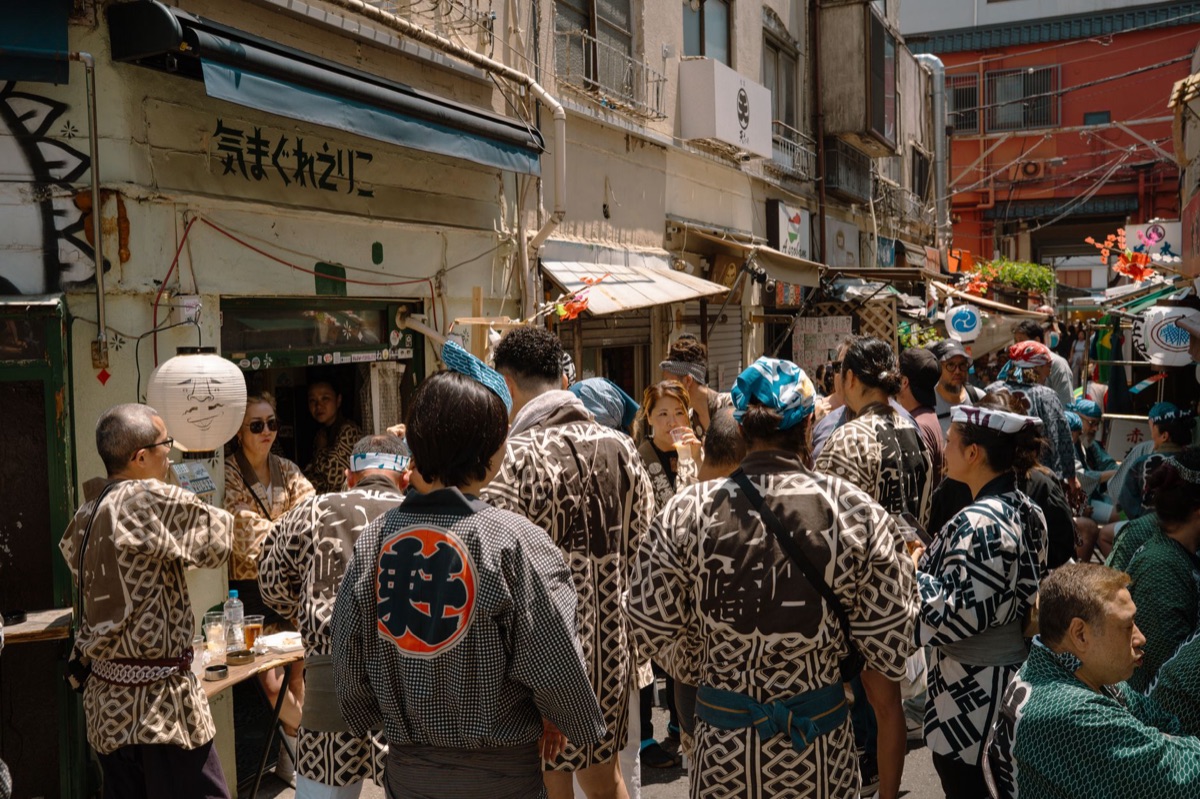
Beyond the Mainstream: Integrating Interests into Daily Tokyo Life
The morning commute was a sea of suits, but tucked into a corner of the subway car at 8:15 AM, a student was meticulously organizing a collection of tiny, handcrafted charms on a small tray.
Deeply held interests in Tokyo are not just weekend activities; they often bleed into the daily rhythm of life. This is why you see such high levels of craftsmanship in everything from stationery to specialized kitchen tools.
The dedication seen in "Otaku" culture mirrors the way a local might approach a traditional craft or a specific culinary discipline. It is about the pursuit of mastery within a chosen field. For a resident or a long-term visitor, this means your hobbies can become a way to navigate the city.
You might find yourself visiting a specific stationery shop in Ginza every month or seeking out a specific vintage camera shop in Shinjuku.
To transition from a tourist to a participant, you must align your schedule with the rhythm of your interests.
For example, attending a local "matsuri" (festival) or a specific niche pop-up event requires more than just showing up; it requires understanding the timing and the local way of engaging with the event.
But how do you actually plan a trip that respects this level of depth?
Practicalities for the Deep Dive Traveler/Resident
I sat in a small, quiet cafe in Koenji at 4:00 PM, looking at a local map that was covered in hand-drawn notes of tiny, specialized shops that didn't appear on any mainstream travel guide. According to World Bank data, Japan recorded international tourist arrivals of 4,115,800 in 2020.
Navigating Tokyo as a deep-dive enthusiast requires a different set of tools than a standard tourist. While a tourist pass gets you from point A to B, a local knows which side exit of a station leads to the hidden alleyway of interest.
- Master the Transit Nuance: Don't just rely on the major lines. Learn the local lines (like the Seibu or Keio lines) that connect residential areas to specialized hubs.
- Utilize Niche Digital Tools: While Google Maps is essential, local enthusiasts often use specific Japanese apps for second-hand marketplaces or event calendars.
- Develop a "Slow Travel" Mindset: Instead of trying to see ten landmarks in a day, pick one neighborhood and spend the entire day exploring its specific niches.
- Respect the Seasonal Shifts: Many niche events and pop-ups are tied to specific seasons. Researching the local calendar can reveal much more than a standard guidebook.
#



Comments 0