Tokyo Pilgrimage: 100 Years of Literature in Ueno & Yanesen
"Literature is a mirror reflecting our era and a way of recording the memories of the ground we stand upon."
Beyond the neon-soaked streets of Tokyo lies a hidden layer of history, tucked between weathered wooden structures and manicured gardens.
This journey is more than a sightseeing tour; it is a pilgrimage through the intellectual landscape of a changing nation, following the footsteps of masters like Natsume Soseki.
* Highlights: Tracing the legacy of Natsume Soseki through Ueno and the Yanesen district. * Time Commitment: Approximately 1 to 1.5 days within central Tokyo (Ueno, Yanesen, and Asakusa areas). * Pro Tip: Reading a summary of a writer's major works before visiting can transform a simple stroll into a profound narrative experience.

Why should we care about Tokyo's literary heritage?
As the rain ceases in the narrow alley, the scent of wet pavement rises to meet the cooling evening air.
The rain has just stopped, leaving the asphalt slick and reflecting the city's vibrant neon signs in a way that feels both beautiful and hollow. In 2026, within this hyper-digital metropolis, it is easy to feel untethered from the past.
According to the World Bank, Japan recorded international tourist arrivals of 4,115,800 in 2020.
A century ago, during a period of rapid modernization, intellectuals faced a profound sense of isolation and identity crisis—a tension that still echoes in the city's architecture.
Modern Japanese literature was born at the friction point between traditional values and Western modernization. Tokyo stood at the epicenter of this upheaval, serving as the stage where writers documented the struggle of the individual against a shifting social fabric.
Walking these streets is an attempt to understand the very bones of the city.
We aren't just looking at old buildings; we are searching for the specific atmosphere that inspired these creators. To the untrained eye, a narrow alley is just a shortcut, but to a reader, it is a setting. Without this context, the city remains a mere collection of concrete and steel.

Where did Natsume Soseki look in Ueno and Yanesen?
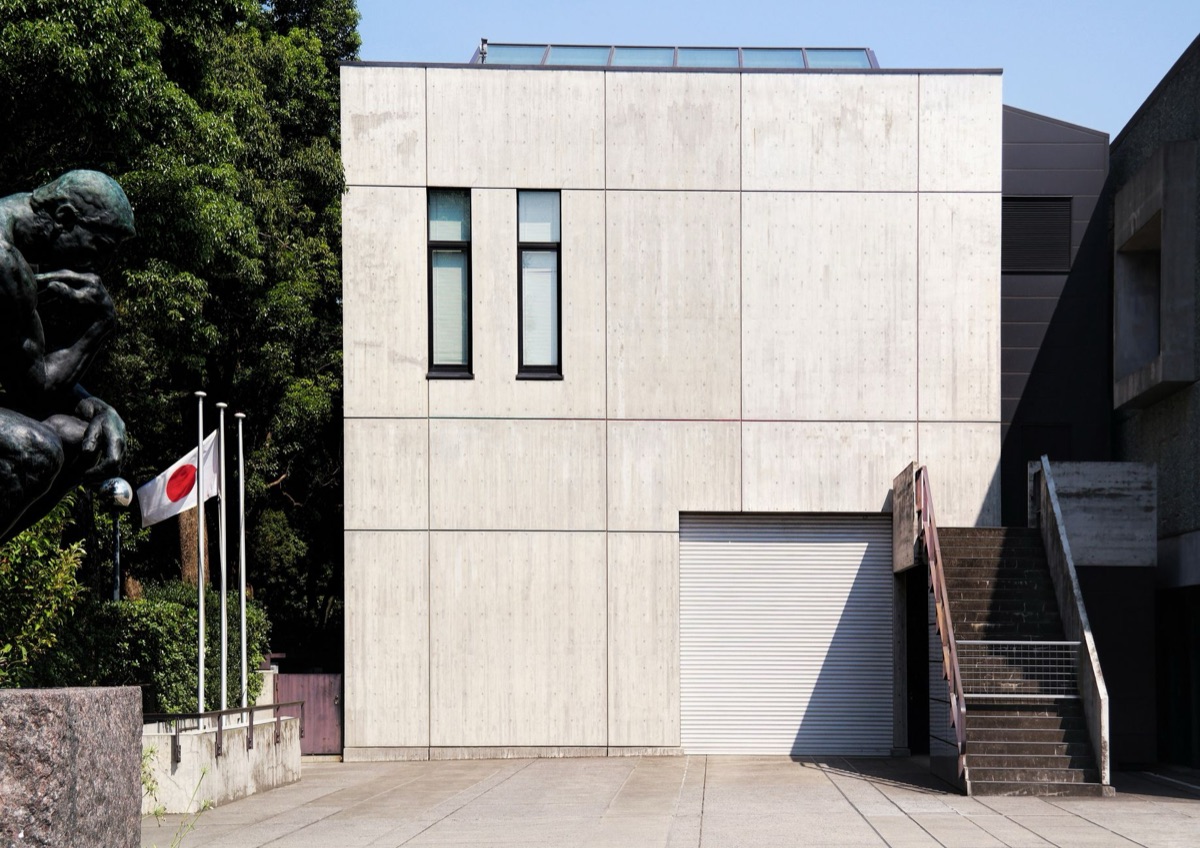
In the quiet of the morning, the heavy mist clings to the trees in Ueno Park while the damp air chills the skin.
The morning mist clings to the walking paths of Ueno Park, softening the edges of the statues and trees. The air feels crisp, much like a late autumn morning in 2025. Sunlight filters through the canopy, creating a sense that time itself might be suspended.
This was a place of study, writing, and deep contemplation for Natsume Soseki.
Soseki was a foundational figure in modern literature, tackling themes of ego, loneliness, and the search for self in a changing world. He projected the internal conflicts of the modern intellectual onto the page, and his work is inextricably linked to the rapid changes of the era.
To find his traces, focus on the Ueno and Yanesen (comprising Yanaka, Nezu, and Sendagi) areas. These neighborhoods retain a sense of old Tokyo, offering a glimpse into the lifestyle of the intellectuals who once lived and studied nearby.
| Category | Primary Locations | Characteristics |
|---|---|---|
| Study & Contemplation | Ueno Park and surrounding museums | Sources of intellectual background and artistic inspiration |
| Traces of Daily Life | Yanesen Area (Yanaka, Nezu, Sendagi) | The atmosphere of old Tokyo alleys and residential life |
| Literary Inspiration | Near Tokyo University and Kurowa | Hubs of intellectual exchange and academic history |
The challenge lies in how to navigate these historical layers efficiently.
What does it take to follow in a writer's footsteps? The afternoon sun hits the narrow streets of Yanaka at a sharp angle, casting long shadows across the pavement. Peering over low walls into tiny private gardens, the wooden houses look as though they have stood still for decades.
Just a fifteen-minute walk from the bustling 2026 city center, you enter a completely different world.
To make the most of this literary pilgrimage, you need a practical plan:
- Secure Transportation: Start by arriving at Ulo Station (via JR or Tokyo Metro) and then transition to the Hibiya Line or prepare for walking.
- Prioritize Walking: When moving from Ueno to the Yanesen area, walking is essential. Set aside at least 60 minutes to wander through the narrow side streets to truly feel the atmosphere.
- Time Allocation: A thorough exploration of the Ueno and Yanesen loop typically takes between 4 and 5 hours.
- Check Facilities: While most temples and parks are open to the public, specific museums often operate between 9:00 AM and 5:00 PM; always check hours before heading out.
While using a digital map is helpful, the real magic happens when you put the phone away and turn down a path that looks like it belongs in a novel. I remember walking through a tiny lane in Nezu last year; I felt as though I had accidentally stepped into a chapter of a book from 1920.
But walking alone isn't always enough to capture the depth of the experience.
Tips for avoiding crowds and gaining depth
A long line snakes around a popular cafe on a busy weekend afternoon, and the noise of the crowd makes quiet thought nearly impossible. In 2026, popular tourist spots are perpetually crowded, making it difficult to find a moment of solitude.
If your goal is quiet reflection, consider these adjustments:
* Time Your Visit: Aim to arrive at major landmarks or parks between 8:00 AM and 10:00 AM on weekdays. The solitude of the early morning is often the only way to feel the original mood of these places. * Wear Proper Footwear: You will be walking through uneven alleys and on foot for several hours; comfortable walking shoes are non-negotiable. * Verify Reservations: If you plan to visit specific literary museums or special exhibitions, check if advanced booking is required. * Respect Local Etiquette: When walking through residential alleys in Yanesen, maintain a low volume to respect the privacy of local residents.
Stepping back from the tourist rush allows the literary imagery to overlap with the physical landscape. But where should this journey lead next?
Expanding the literary journey
The sun sets, turning the sky a deep crimson over the Senso-ji area in Asakusa. Before the brilliant night lights of 2026 take over, there is a fleeting moment when the red lanterns are lit, casting a warm glow over the streets.
After finishing your literary tour, you can connect your itinerary to other themes:
* Route 1 (History & Tradition): Ueno/Yanesen → Asakusa (A blend of the modern and the traditional). * Route 2 (Art & Modernity): Ueno/Yanesen → Roppongi/Ginza (An expansion of artistic inspiration). * Recommended Lodging: Look for boutique hotels near Ueno or traditional guesthouses in Yanesen to maintain the historical atmosphere.
These routes allow you to experience the multifaceted nature of the city in a single trip. However, not everyone will experience the same emotional resonance.
Points for photography and vistas
Through a camera lens, the texture of an old wooden building looks like a still from a black-and-white film. The view through the viewfinder often blurs the line between reality and fiction.
If you want to capture the literary mood in photographs, look for these elements:
* Yanesen Alleys: The intersection of low roofs and narrow paths is perfect for capturing a sense of historical atmosphere. * Ueno Park Woodlands: The way light scatters through the trees can visually represent the internal conflicts of a writer. * Traditional Gardens: Neatly manicured Japanese gardens are ideal for capturing static, contemplative beauty.
Try to focus on natural perspectives rather than staged compositions to keep the feeling authentic.

Comments 0