Tokyo deep dive: 3 ways to live like a local resident now
"The real soul of a city isn't found in the neon glare of the main strip, but in the quiet hum of the side streets."
To truly understand a place, you have to move past the postcards and step into the rhythm of daily life. This guide is for those who want to transition from a mere spectator to a temporary resident of Tokyo.
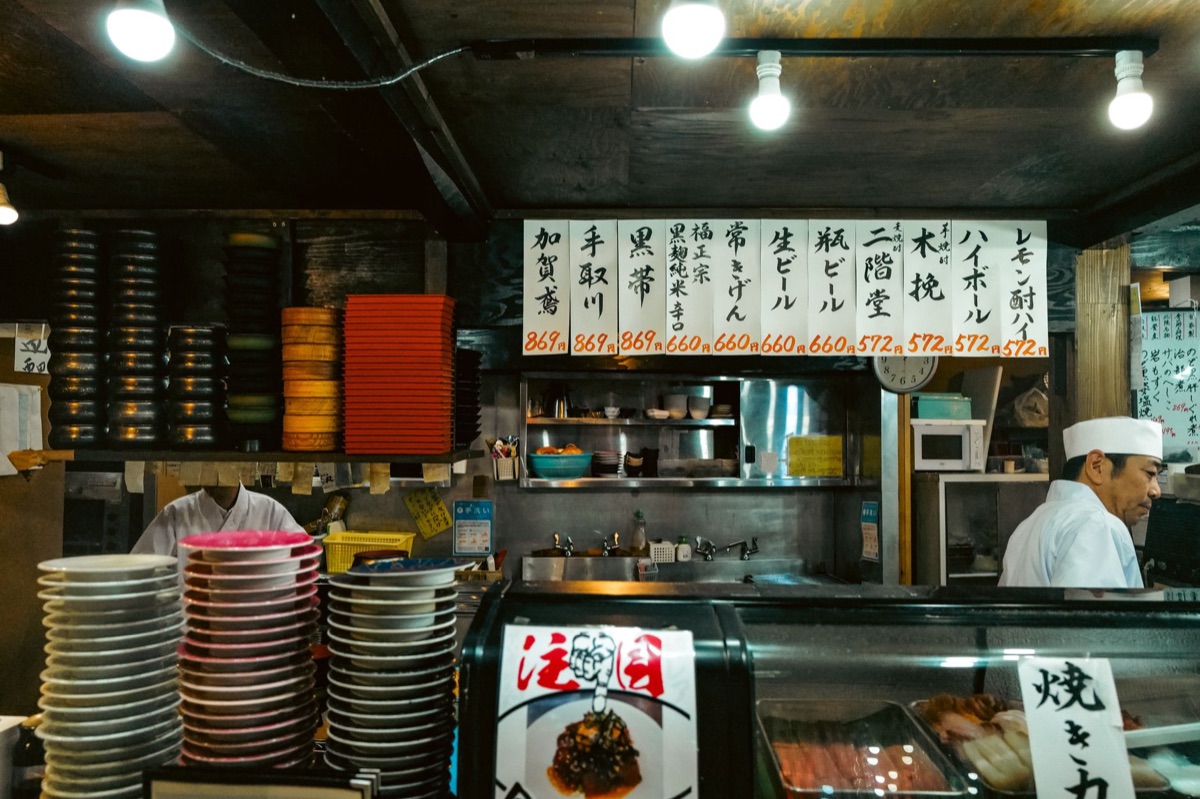
* Key Takeaways: Learn to read the context of a neighborhood, master the art of side-street exploration, and understand the distinct personality of different districts. * Recommended Time: Allocate at least 3 to 4 hours per district to allow for slow, intentional wandering. * Pro Tip: Instead of following a GPS blindly, try reading the handwritten menus in small shops to understand the local flavor.

What happens when you step away from the skyscrapers and into the narrow alleys?
At 4:00 PM, you push through the dense crowds at the Shibuya Scramble Crossing and turn into a narrow side street. The roar of the traffic fades, replaced by the soft hum of a radio from an open window and the savory scent of a neighborhood kitchen.
Tokyo is a massive metropolis that functions as a collection of thousands of tiny, distinct villages. Simply checking off famous landmarks isn't enough; you have to breathe in the specific atmosphere of a neighborhood to truly "live" there.
The main streets are vibrant, but the authentic face of the city is often found at the intersection of residential quiet and commercial energy.
Understanding these nuances requires looking at the history and lifestyle of each area. It isn't just about finding a pretty cafe; it is about understanding why people gather in these specific spots.
The main streets are easy to navigate, but the real magic happens when you lose your way. However, most travelers make a mistake by thinking that simply walking is enough to understand the city's texture.
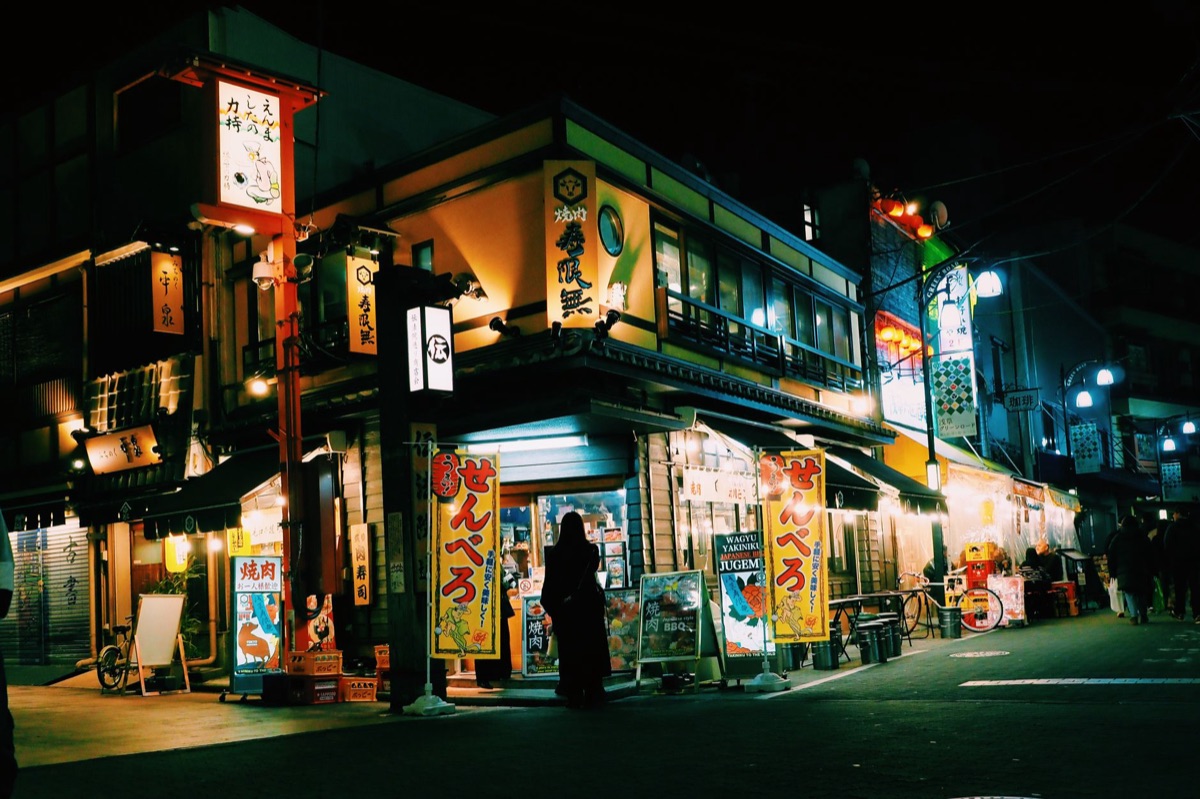
Is there a peaceful side hidden behind the Shibuya noise? On a Friday evening, you step one block away from the chaos of Shibuya Station, and the air suddenly feels cooler and calmer. Between flashy fashion boutiques, you might stumble upon a small, silent shrine or a row of weathered wooden buildings that feel like a different era entirely.
While Shibuya is one of the most dynamic hubs in the city, it also preserves deep traces of old life. If you move toward the area known as "Oku-Shibuya," you will find a sophisticated yet relaxed atmosphere.
This area is filled with spots where local residents and office workers unwind quietly after work, far from the tourist throngs.
| District Character | Primary Vibe | Recommended Activity |
|---|---|---|
| Main Thoroughfares | High energy and crowded | Shopping and trend-spotting |
| Oku-Shibuya / Daikanyama | Sophisticated and relaxed | Cafe hopping and bookstore browsing |
| Yoyogi / Harajuku Backstreets | Artistic and eclectic | Vintage shopping and street culture |
Recognizing these shifts helps you understand exactly what kind of experience you are having. But there is a specific way to practice this observation.
How to read the "vibe" of a neighborhood like a local
At 10:00 AM, you stand in line at a small neighborhood bakery, watching the expressions of the people around you. Observing what they buy and how they interact provides a window into the local lifestyle.
Living like a local means aligning yourself with the natural rhythm of the neighborhood. This might mean eating at a small diner near a morning market or joining the locals for a stroll through a neighborhood park at dusk.
When I tried this in the Yanaka district last year, I spent two hours just watching how neighbors greeted each other at the corner grocer. It taught me more about the community than any museum could.
- Walk beyond the map: Intentionally choose alleys one or two blocks away from the main roads.
- Observe local commerce: Instead of big supermarkets, visit small butcher shops or fruit stands to see what locals prioritize.
- Sense the temporal shifts: Notice how the energy changes from the morning rush to the midday lull and the evening glow.
- Identify community hubs: Look for the regulars at small libraries or neighborhood cafes to see where the heart of the community beats.
This process turns a simple sightseeing trip into an immersive experience. But to understand the full scope, we need to look at the diverse faces of the city.
What are the many faces of the metropolis? At 6:00 PM, as the sun begins to set, a deep red glow settles between the towers of Shinjuku. In that fleeting moment before the neon lights flicker to life, the colors of the city shift into something almost magical.
According to World Bank data, Japan recorded international tourist arrivals of 4,115,800 in 2020.
Considering the economic trends and urban growth of the mid-2020s, the density of the city remains incredibly dynamic. In 2025, Japan recorded a GDP per capita of US$35,951, reflecting a stable but evolving economy that supports these dense urban pockets.
Each district in Tokyo acts like a different personality. If Shinjakuj is the powerhouse of energy and commerce, areas like Asakusa carry the weight of tradition. Knowing these distinctions makes it much easier to find a place that resonates with you.
* Shinjuku / Shibuya: The intersection of massive capital and constant movement, offering the most modern energy. * Asakusa / Ueno: Areas where the echoes of the Edo period remain, perfect for those who value historical context. * Nakameguro / Daikanyama: Districts where artistic sensibility and a relaxed lifestyle coexist.
Once you understand these characteristics, you must consider how to interact with them respectfully.
Maintaining harmony with local culture and etiquette
Walking through a quiet residential alley, you find yourself stepping more softly to avoid disturbing the peace. As you pass a neighbor's open window, you instinctively lower your voice.
Tokyo's residential areas are often very densely packed, and privacy is treated with great respect. A visitor's curiosity should never disrupt the quiet lives of the residents.
Maintaining low noise levels in side streets, being mindful of trash, and ensuring you don't capture private residences in photos are essential practices.
* Noise Control: Keep conversations low and footsteps light in residential alleys. * Photography Etiquette: Be careful not to take photos that expose the interior of private homes or personal moments. * Waste Management: Never leave trash on the street; always carry a small bag to hold your own refuse until you find a bin. * Respect Boundaries: In small shops or temples, check for signs indicating restricted areas to avoid trespassing.
Practicing this etiquette is the first step toward being treated like a local. But how do you turn these single stops into a cohesive journey?
Creating meaningful routes through connected neighborhoods
At 2:00 PM, you sit by a sunlit window in a quiet cafe, lost in a book. The slow pace of the people passing by outside makes the moment feel like a scene from a film.
The best way to travel is to group nearby neighborhoods into a single theme. For example, if you spend your morning experiencing tradition in Asakusa, you might move to the nearby Yanaka Ginza to walk through a market that retains an old-world charm.
* Theme 1: Tradition Meets Modernity * Route: Asakusa (Senso-ji) → Ueno Park → Yanaka/Nezu area * Theme 2: The Trendy Lifestyle * Route: Shibuya → Daikanyama → Nakameguro * Theme 3: Urban Oasis * Route: Shinjuku Gyoen → Yoyogi Park → Harajuku Backstreets
These routes offer variety without excessive travel time, making your day feel both full and effortless. Finally, let's look at the moments you shouldn't miss.
The best views and photography points you can't miss
At dusk, the horizon from an observation deck seems to stretch on forever. The moment the red sky meets the emerging city lights is a sight that defies easy description.
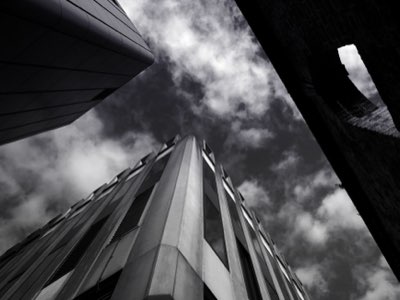
A great view isn't always about height. Sometimes, looking through the gap between two buildings or seeing a landmark like Tokyo Tower peeking over low-rise rooftops leaves a much deeper impression.
* Skyline Vistas: Panoramic views from high-altitude observatories like Shibuya Sky. * Alley Aesthetics: The charm of looking up at the sky through a maze of wires and low-rise buildings. * Nighttime Radiance: The way the city's character is fully realized once the darkness sets in.
Now that you have the tools, let's clear up some lingering questions.

Comments 0