Tokyo Living Costs: 10-Min Guide to Budgeting for Success
"Living in Tokyo is a balancing act between the neon glow of the city and the quiet discipline of a well-managed budget."
If you are planning a move to Tokyo, the sheer scale of potential expenses can feel overwhelming. From skyrocketing rents in central districts to fluctuating utility bills, understanding the local economic landscape is the first step toward a stable life.
* Key Takeaways: Rent and food constitute the largest portions of a monthly budget, and setting aside emergency funds for seasonal utility spikes is non-existent luxury—it is a necessity. * Time Investment: This guide takes about 10 minutes to read and provides a complete economic blueprint for life in the metropolis. * Pro Tip: Your choice of neighborhood and grocery shopping habits will dictate over 30% of your total monthly expenditure.

Why is the cost of living so unpredictable?
Standing under the blinding neon signs of Shinjuku late at night, clutching a lukewarm convenience store bento, the gap between the city's glamour and individual reality feels tangible.
In the late hours of 2026, watching a crowd of commuters rush through Shinjuku Station, I wondered about the invisible lines drawn between us. Some are heading to high-end dinners in Ginza, while others are returning to tiny studio apartments to eat instant noodles.
This economic stratification is a constant presence in the city. According to World Bank data, Japan recorded a GDP per capita of US$35,951 in 2025.
Tokyo is not a monolithic entity; it is a massive ecosystem of varying lifestyles. For some, it is a playground of endless tourism; for others, it is a high-stakes arena of monthly rent and utility calculations.
The city's economic scale is enormous, and the perceived cost of living varies wildly depending on your district and lifestyle.
To maintain stability here, understanding the structure of spending is more important than simply earning a high salary. We must look at the foundational elements of Tokyo's economy to prepare ourselves.
However, before we can look at daily spending, we must first tackle the most significant hurdle: housing.
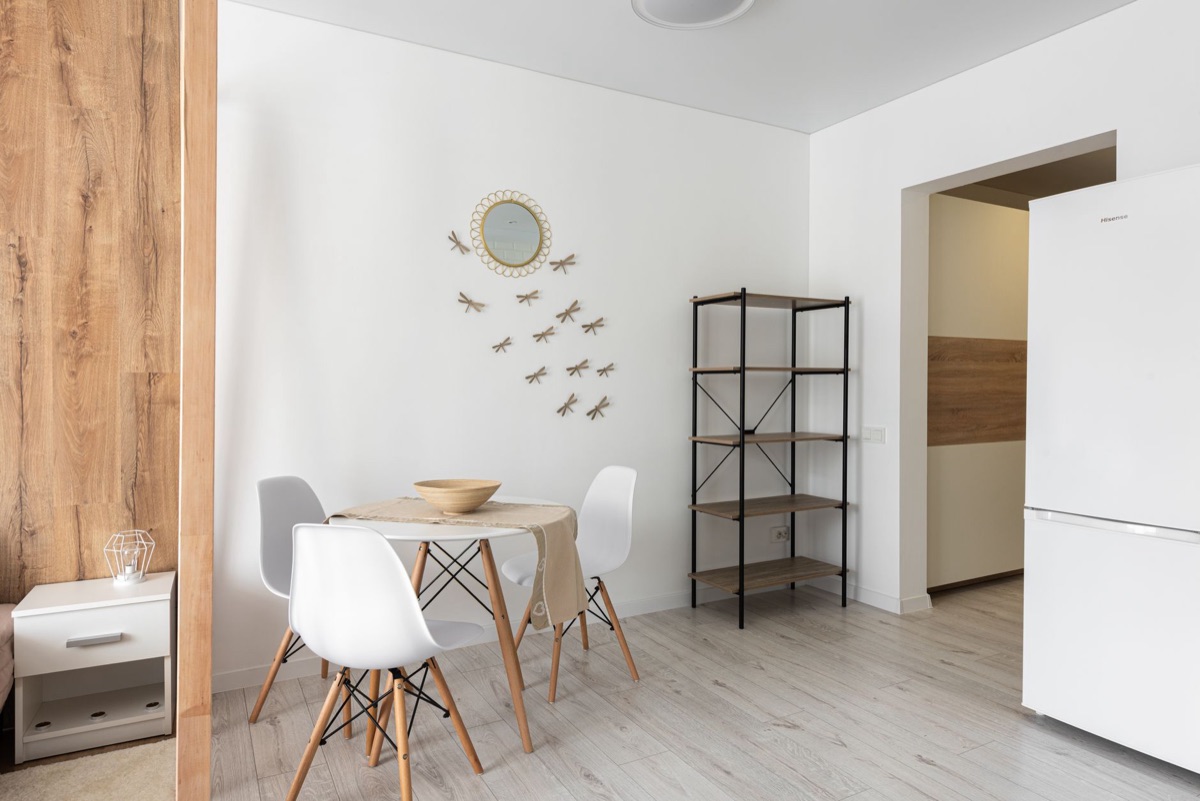
How will I climb the wall of rent and housing? The morning sun streams through a narrow window, hitting a freshly signed lease agreement that still feels slightly too heavy in my hands.
I remember the nervous energy of signing my first lease for a tiny 1K (one-room) apartment. The transition from looking at pictures online to standing in a cramped, quiet room is a moment of profound realization.
Rent is undeniably the largest single expense in a Tokyo budget. Prices fluctuate wildly based on location. Central hubs like Shinjuku or Shibuya offer unparalleled access but come with premium price tags.
Conversely, residential areas in the outskirts or those a 30-to-40-minute train ride away offer much more breathing room for your wallet.
Beyond the monthly rent, you must account for Japan's unique housing cost structure. This includes initial move-in costs—such as key money (*reikin*) and security deposits (*shikikin*)—as well as monthly management fees (*kanrihi*).
| Category | Central Hubs (Shinjuku, Shibuya, etc.) | Residential Outskirts (Nerima, Suginami, etc.) |
|---|---|---|
| Housing Type | Mostly compact studios or luxury apartments | Capability to secure larger living spaces |
| Accessibility | Extremely high (walking/cycling friendly) | Commuting via train is essential |
| Rent Level | Very high | Relatively affordable |
| Best For | Professionals prioritizing proximity to work | Students or couples seeking more space |
When choosing a home, do not look at the rent in isolation. You must calculate the "opportunity cost," which includes monthly commuting expenses and the value of your time spent traveling. But as much as rent impacts your budget, the daily variability of food costs can be just as disruptive.
How do my daily food choices affect my life? Walking briskly toward a local supermarket during the evening rush, I scan the shelves for the yellow "discount" stickers. Grabbing a bento with a half-price sticker is a common sight for anyone living in the city.
Food is the most flexible category in your budget, meaning it can either be your greatest saving or your greatest leak. If you rely heavily on eating out, your monthly expenses can spiral out of control. However, mastering the art of home cooking can drastically reduce your spending.
The key to managing food costs in Tokyo is balancing "eating out" with "eating in." While the city has an incredible selection of high-quality convenience store food, relying on it daily leads to both nutritional imbalances and cumulative financial strain.
- Manage Dining Out: Save restaurant visits for weekends or special occasions, and utilize prepared meals for weekday lunches. 2. Utilize Supermarkets: Actively shop during late-evening discount hours when prices drop significantly. 3. Bulk Buying: Purchase staples like rice and basic seasonings in larger quantities to lower the unit price. 4. Limit Convenience Stores: While convenient, convenience stores are generally more expensive than local supermarkets; use them sparingly.
Food management is not just about money; it is about health. Maintaining a consistent eating habit while staying within a budget requires discipline. Yet, even a well-managed food budget can be undermined by the silent drain of monthly utility bills.
Utilities and Communication: Managing Hidden Fixed Costs
In the heat of summer, staring at a high electricity bill before turning on the air conditioner can lead to a momentary sense of dread.
After experiencing record-breaking heatwaves in recent years, managing cooling costs has become a vital survival skill. Utilities—electricity, gas, and water—are essential, but their costs fluctuate heavily with the seasons.
Summer air conditioning and winter heating can easily derail a monthly budget if you are not prepared.
Additionally, you must manage your communication costs within the local technological landscape. Smartphone plans and home internet installation are fixed monthly expenses that require careful comparison of initial contracts and monthly rates.
* Electricity/Gas: Prepare extra reserve funds for the peak summer and winter months to account for seasonal spikes. * Water: While relatively stable, it is important to monitor for leaks to avoid unexpected surges. * Communication: Utilizing low-cost mobile virtual network operators (MVNOs) is often much more economical than sticking with major carriers. * Internet: Always check your lease to see if internet is included or if you need to arrange a separate installation.
To manage these costs, you should develop the habit of setting your monthly budget based on "maximum" expected costs rather than averages. But how do you organize all of this into a workable system?
A 5-Step Strategy for Local Residents
Before opening your wallet, you pause to review your monthly budget. This is the habit that prevents a month-end crisis caused by unplanned spending.
To maintain a stable life in Tokyo, you need a systematic approach to spending. It is not just about "saving money"; it is about building a structure.
- Establish a Monthly Budget: Immediately upon receiving your salary, set aside funds for fixed costs like rent, utilities, and insurance. 2. Separate Accounts by Purpose: Use different accounts for living expenses, savings, and emergency funds to track cash flow clearly. 3. Balance Cash and Card: Since Japan still has a significant cash-based culture, track both your physical cash usage and digital transactions. 4. Secure an Emergency Fund: Always maintain a separate reserve for sudden medical expenses or unexpected moving costs. 5. Conduct Regular Reviews: At the end of each week or month, compare your actual spending against your budget to analyze discrepancies.
This step-by-step approach is about more than just frugality; it is about taking control of your life in the city. However, even the best-laid plans must face the unpredictable nature of urban living.
Variables and Pitfalls of Tokyo Life
On a dark, rainy afternoon, I find myself turning away from a planned shopping trip because an unexpected expense has depleted my budget. It is the hollow feeling of a plan gone wrong.
Life in Tokyo always holds variables. No matter how perfectly you plan, unexpected situations will arise.
* Seasonal Factors: Extreme heat or cold can result in "bill shocks" from heating and cooling costs. * Transportation Variables: Train delays or sudden needs for long-distance travel can cause unplanned transit costs. * Social Customs: Expenses related to social obligations, such as weddings or local community events, can pop up unexpectedly. * Health Management: You must always be prepared for sudden medical visits or pharmacy costs.
The wisest way to manage these variables is to always earmark 10% to 20% of your monthly living expenses as a "buffer" or reserve fund.



Comments 0