Tokyo U Visit Guide: 3-4 Hours Campus Immersion Tour
"Where the weight of knowledge lingers in the air, history breathes within the silence."
Exploring a historic university campus is more than a sightseeing trip; it is a walk through the intellectual soul of a city. This guide helps you navigate a profound journey through one of the world's most prestigious academic hubs.
* Key Takeaways: The Bunkyo district serves as a cradle of knowledge, housing premier institutions like the University of Tokyo. * Time Commitment: A thorough stroll through the campus and surrounding historic streets takes approximately 3–4 hours. * Pro Tip: Many areas of the Hongo Campus are open to the public, but maintaining a quiet, respectful presence is essential to honor the active learning environment.
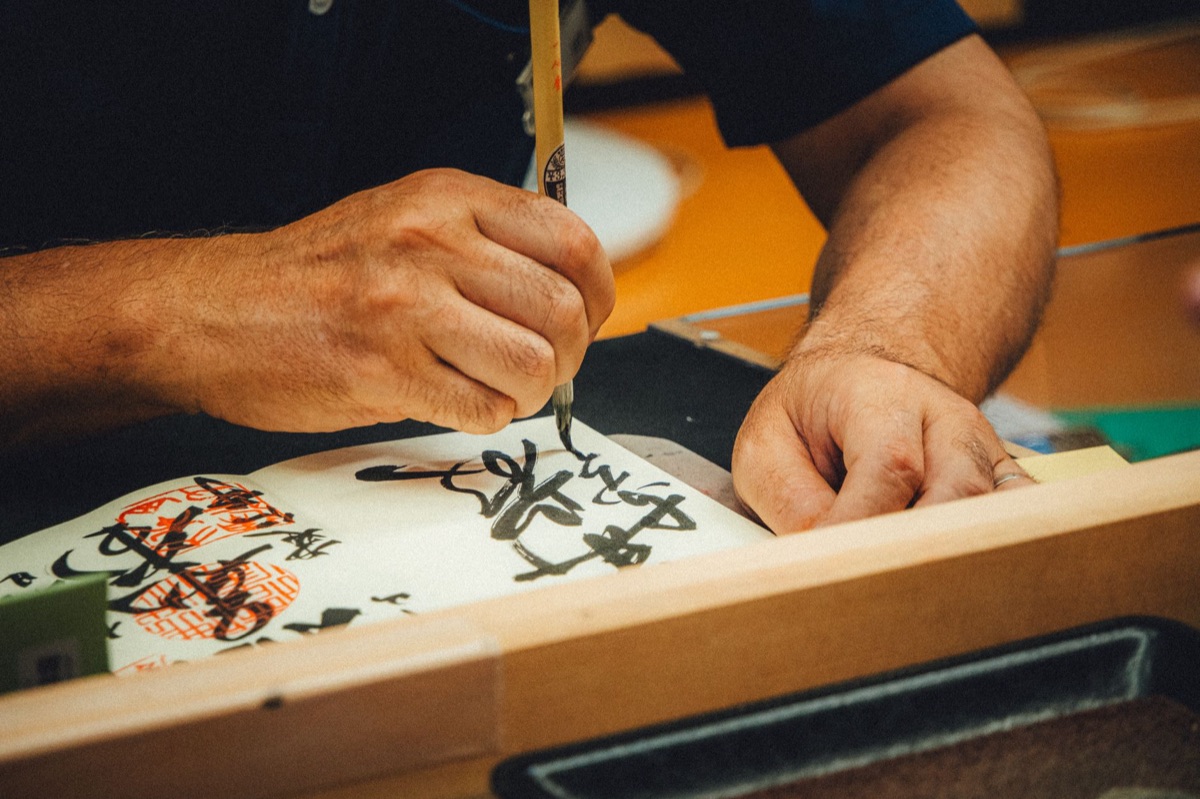
Why are people so drawn to Bunkyo and the University of Tokyo?
The morning sun hits the stone facades of old buildings as you wander through the quiet, tree-lined streets of Bunkyo. You hear the rhythmic tap of student footsteps on the pavement, a sound that blends seamlessly with the rustle of leaves.
It is easy to see why this area is often called a "village of scholarship." Even in an era of global economic shifts, the intellectual value of this district remains a constant draw. According to World Bank data, Japan recorded a GDP per capita of US$35,951 in 2025.
Bunkyo holds a unique identity within the sprawling metropolis of Tokyo. It is a place where traditions dating back to the Edo period intertwine with the modern educational institutions built during Japan's rapid modernization.
The history of the University of Tokyo is central to this identity, acting as a pillar for the district's dignified atmosphere.
Since the inception of the nation's modern education system, this area has been a magnet for thinkers and leaders. It is more than just a collection of schools; it is a symbolic site where the future of the country was often envisioned.
This legacy ensures that Bunkyo maintains a sophisticated, calm atmosphere that makes it one of the most sought-after neighborhoods in the city.
While the architecture is stunning, understanding the layout is the first step to truly experiencing the campus.
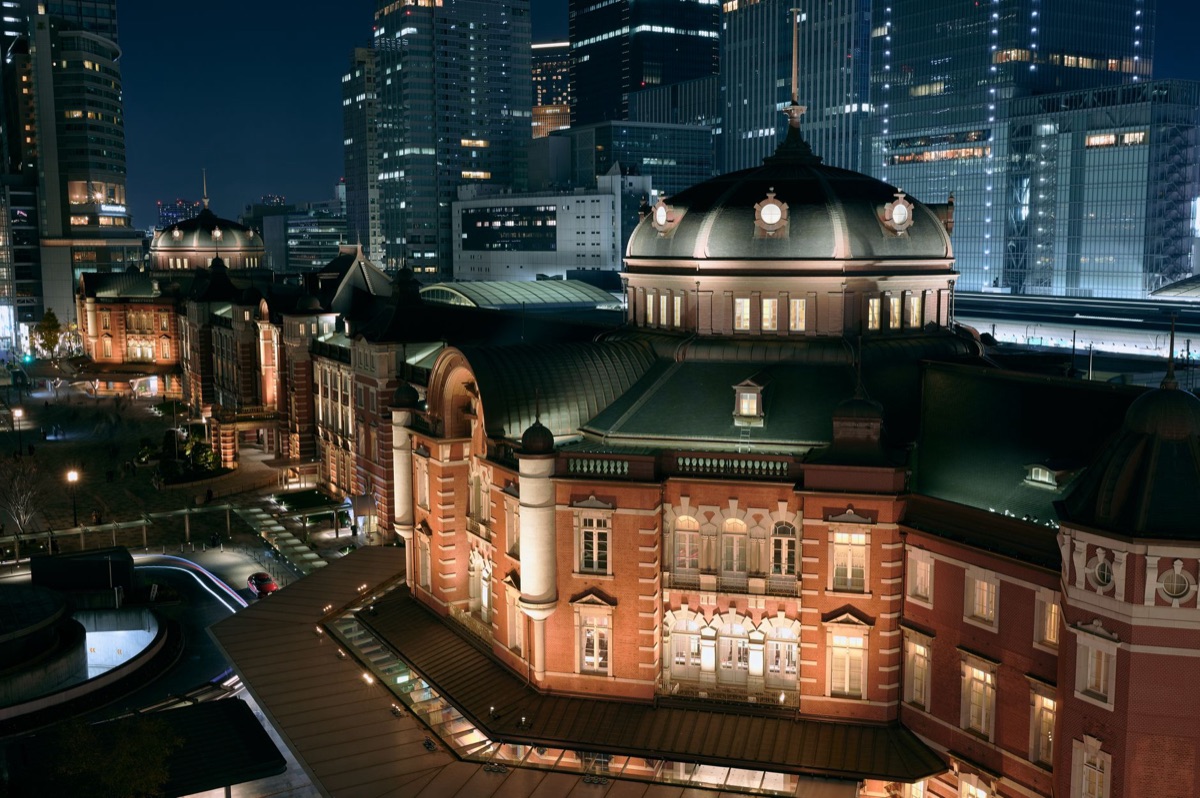
What is it like to walk through Hongo's history? Passing through the main gate, the air feels different—heavier, as if the weight of decades of study is physically present. You walk past towering structures that look down on old stone walls, creating a sense that time has slowed down.
Walking these paths feels like stepping through a living timeline of the country's academic evolution.
The Hongo Campus is essentially a massive, open-air museum. As the heart of the university, it preserves the footprints of modern Japanese education.
The architecture is a fascinating mix of Meiji-era styles and post-war reconstruction, allowing visitors to see how the campus has evolved through different eras.
The campus is generally divided into academic research zones, student living areas, and symbolic landmarks. Each building serves a specific purpose, yet they all contribute to the overarching atmosphere of a sanctuary for learning.
The central buildings, in particular, command respect through their sheer presence.
To make sense of the sprawling grounds, it helps to categorize the layout:
| Category | Primary Feature | Visitor Focus |
|---|---|---|
| Academic Zone | Core areas for research and lectures | Observing architectural styles |
| Symbolic Landmarks | Historic gates like Akamon | Photography and historical context |
| Greenery & Paths | Lush trees and manicured gardens | Quiet reflection and walking |
But looking at the buildings is only the beginning of the experience.
How do you navigate the campus like a pro?
Checking a map on your phone, you realize that a path that is a daily routine for a student is a grand expedition for a visitor. To avoid getting lost in the maze of academic halls, it is helpful to understand the general layout before setting out.
Even in 2026, visitors still rely on these traditional routes to find their way.
The first major landmark most visitors encounter is the Akamon (Red Gate). This iconic gate is a symbol of the university and a place where generations of students have gathered for ceremonies. Passing through it feels like entering a quiet, sanctified space separated from the noise of the city.
Follow these steps for an efficient visit:
- Access the Campus: Arrive via the Hongo-sanchome or Hongo-shirakawa stations to reach the main gates. 2. Visit the Landmarks: Start by experiencing the symbolic atmosphere of the Akamon. 3. Plan Your Route: Because the campus is vast, identify your key waypoints to set a realistic 3–4 hour walking path. 4. Respect the Environment: Keep your voice low to avoid disrupting ongoing lectures or research.
Because the campus is so large, you should decide which specific areas you want to see beforehand. During the semester, the paths can get crowded with students moving between classes, so planning your timing is key.
If you find yourself wandering, you might wonder: is seeing the buildings enough?
How do I best explore the surrounding neighborhood? As lunchtime approaches, the energy shifts as students pour out of lecture halls into local cafes and eateries. You can find everything from budget-friendly student spots to quiet cafes favored by professors.
Here are some practical tips for your visit:
* Avoid Peak Hours: The period around 9:00 AM and the immediate aftermath of lunch can be very busy. For a more contemplative experience, aim for early morning or late afternoon. * Dress Appropriately: Since this is an active educational facility, dressing neatly is more appropriate than wearing overly flashy or casual attire. Avoid entering restricted research buildings. * Use Digital Maps: The layout can be complex. Keep a digital map handy to navigate the winding paths between buildings. * Connect with Tradition: After your walk, consider visiting nearby Nezu Shrine or Yushima Terakoji to transition from academic history to traditional spiritual history.
Using these tips allows you to move beyond mere sightseeing and truly absorb the atmosphere of the university. However, the experience is truly complete when you step outside the gates.

Charming routes to pair with your visit
Stepping out of the main gate, you are immediately met by the pulse of the city, yet the tone remains different from the quiet campus. The surrounding area is perfectly positioned for further exploration.
Here are three great ways to extend your journey:
- The Nezu Shrine Route: A short walk from the Hongo campus, Nezu Shrine is famous for its beautiful tunnel of red torii gates. It is a perfect transition from the academic setting to a traditional Japanese atmosphere. 2. The Yushima/Ochanomizu Route: This area is packed with bookstores, music shops, and cozy cafes. It is an ideal spot to continue your intellectual journey over a cup of tea or a book. 3. The Yanaka/Nezu/Sendagi (Yanesen) Route: If you head toward these neighborhoods, you will find old-fashioned alleys that retain a sense of "old Tokyo."
These routes create a seamless journey between the past and the present. Moving from a center of learning to a center of traditional life feels entirely natural.
Best spots for photography and views
Looking through a camera lens, the silhouettes of the historic buildings can look like works of art. Certain angles capture the essence of the campus in a way that feels almost timeless.
To get the best shots, keep these spots in mind:
* In front of Akamon: This is the most iconic shot. The contrast of the red gate against the surrounding architecture is striking. * Campus Greenery: The seasonal changes—cherry blossoms in spring or vibrant maples in autumn—make the garden paths incredible backdrops. * Stone Building Facades: For a sense of grandeur, try shooting the main buildings from a lower angle to emphasize their scale and history.
When taking photos, always be mindful of students and researchers. Focusing on the architecture and the scenery rather than people is the most respectful way to capture the moment.



Comments 0