Tokyo Rental Market: Your Essential Guide to Securing a Home
"Finding a home in Tokyo is less about finding a place to sleep and more about navigating a social ritual designed to test your stability."
Securing a lease in Japan requires a blend of financial readiness, cultural understanding, and extreme patience. If you walk into a real estate agency unprepared, you might find yourself rejected before you even see a floor plan.
* The rental process is a multi-stage screening, not a simple transaction. * Upfront costs often total three to five months of rent due to unique local fees. * Neighborhood selection requires balancing transit time against lifestyle needs. * Contractual nuances regarding "restoration" can lead to unexpected costs upon moving out.
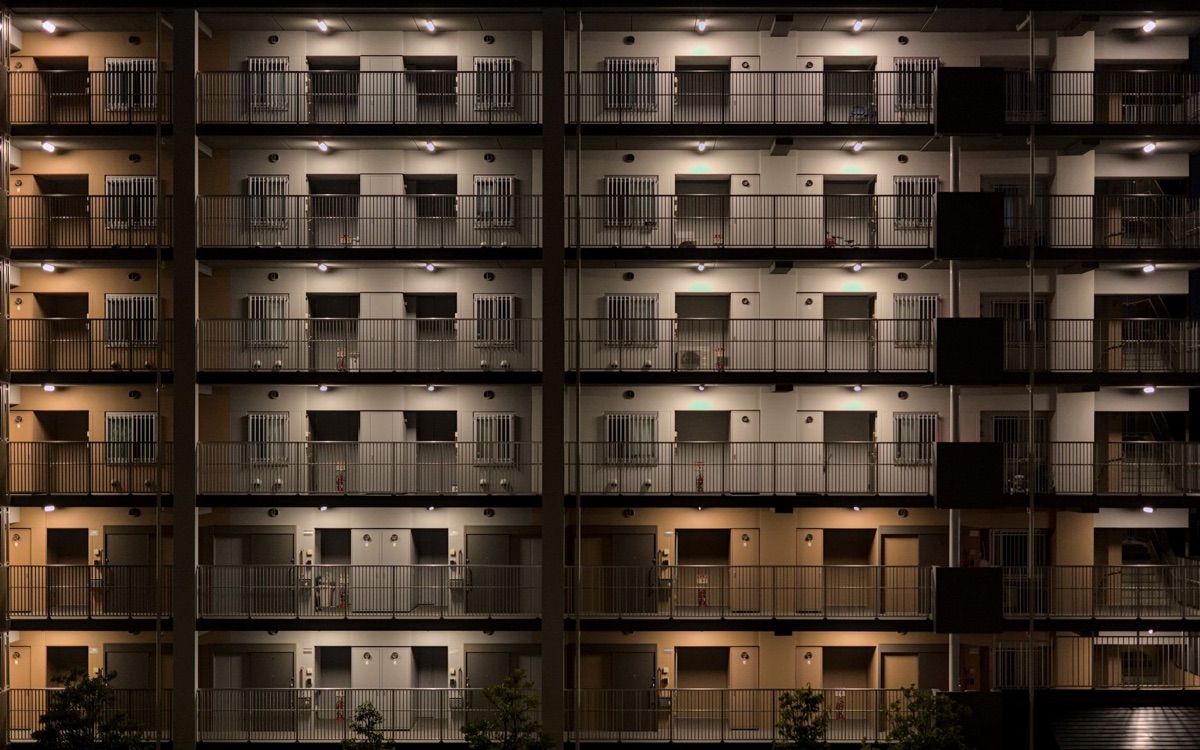
Why is finding housing in Tokyo so complicated?
I stood on a street corner in Setagaya in late 2025, clutching a folder of printed documents and a printed map, feeling completely overwhelmed by the sheer number of "For Rent" signs that seemed to pop up overnight.
I had seen a beautiful apartment online, but walking into the local agency felt like entering a different dimension of bureaucracy.
In Tokyo, there is a massive gap between "viewing" a property and actually "securing" it. In many Western cities, you might see a place and sign a lease that afternoon.
In Tokyo, the process involves a rigorous screening period where the landlord must approve your lifestyle, your job, and often your social standing before you even touch a key.
The real estate agent is not just a facilitator; they are often a mandatory gatekeeper. They act as the intermediary between you and the landlord, often handling the delicate social nuances that a foreigner might miss.
They don't just show you rooms; they manage the "screening" process, which is a distinct phase of the search.
Because of these layers, you aren't just looking for a physical space; you are entering a social contract. This often involves "chain contracts" or specific local requirements that require deep local knowledge to navigate without accidentally offending a landlord or missing a deadline.
But understanding the social rules is only half the battle; you also have to survive the math.
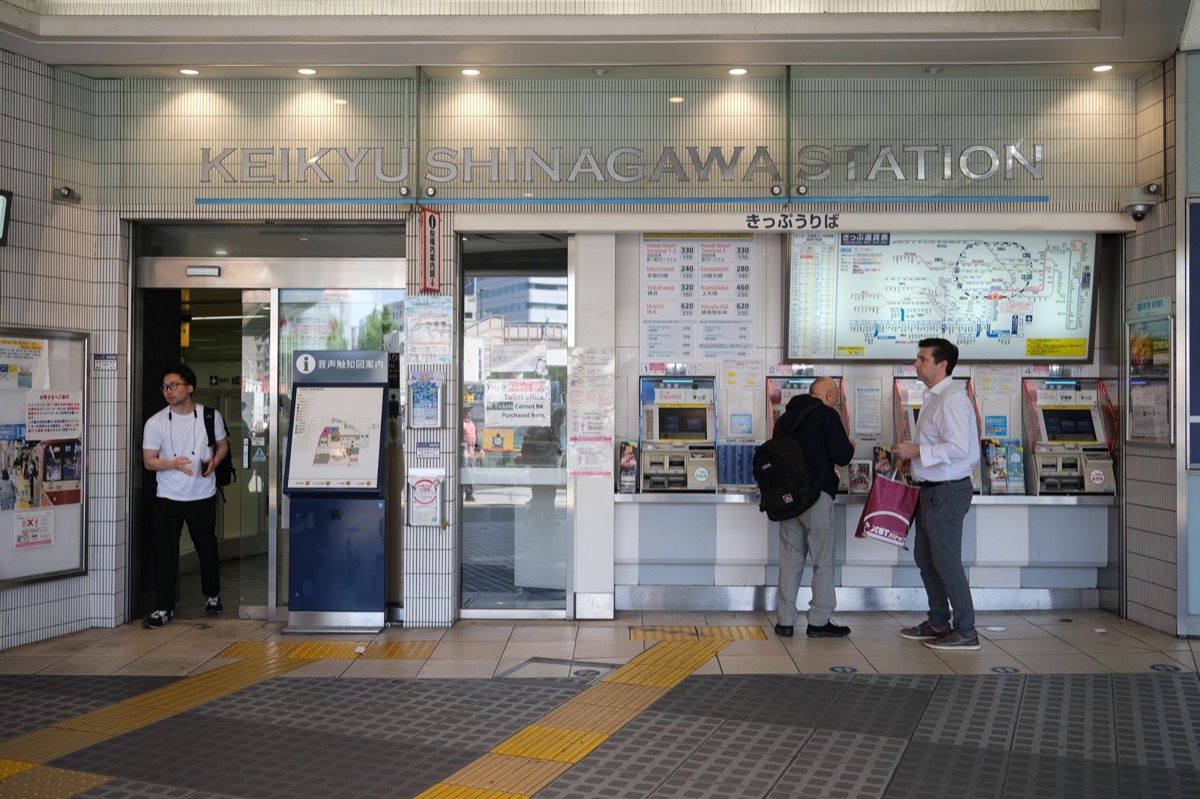
What will the total cost actually be? The first time I looked at a breakdown of a move-in cost sheet in Minato-ku in early 2026, I nearly dropped my coffee. The total amount required on day one was often triple the monthly rent, a reality that catches many newcomers off guard.
To understand your budget, you must distinguish between the base rent and the "initial costs." Here is a breakdown of what you will likely encounter:
* Deposit (Shikikin): This is money held by the landlord to cover potential damages. It is often returned (minus cleaning fees) when you move out. * Key Money (Reikin): This is a non-refundable "gratitude" payment to the landlord. While it is becoming less common in some areas, it is still very much a reality in popular wards. * Agency Fee (Chukai Tesuryo): Typically one month's rent plus tax, paid to the real estate agent for their services. * Advance Rent: You usually pay the first month of rent upfront.
Beyond these initial hits, you must account for monthly maintenance fees (kanri-hi), which are often charged separately from the rent. When analyzing your budget, always calculate the "effective monthly cost" by spreading those massive upfront fees over the length of your intended stay.
Stable housing is a fundamental pillar of well-being. Research has shown that access to stable housing can lead to a reduction in anxiety symptoms and depression symptoms, highlighting why getting this initial math right is so vital for your transition to Japan.
| Expense Type | Description | Typical Amount |
|---|---|---|
| Shikikin | Security Deposit | 1–2 months' rent |
| Reikin | Key Money (Non-refundable) | 1–2 months' rent |
| Agency Fee | Commission to the agent | 1 month's rent + tax |
| Guarantor Fee | Fee for the guarantee company | 0.5–1 month's rent |
But once you have the money ready, how do you actually find the right place without losing your mind?
How do I go from my wishlist to getting the keys? I sat in a tiny cafe in Shimokitazawa in the spring of 2026, marking up a list of train lines with a red pen, trying to balance my desire for a trendy neighborhood with my need for a quiet sleep. That was my first step: defining the boundary between "must-haves" and "nice-to-haves."
If you are starting your search, follow this progression:
- Define your needs: Decide on your budget, preferred wards (like Shinjuku for energy or Nerima for quiet), and maximum commute time.
- Agent matching and viewings: Once you find an agent, they will schedule viewings. Be prepared: the "reality" of a room can differ from the polished photos online. Always check the smell, the water pressure, and the noise levels during a viewing.
- Application and screening: Once you pick a place, you submit an application. The landlord and a guarantor company will "screen" you. This checks your income, your visa status, and your reliability.
- Contract negotiation and signing: If approved, you move to the contract phase. This is the most critical period for review.
Wait, there is more to a home than just the four walls and the rent price.

Beyond the apartment: Choosing the right neighborhood for your lifestyle
Walking out of a crowded station in Shibuya at 11:00 PM, the neon lights reflecting in puddles, I realized that my choice of neighborhood would define my entire Tokyo experience. A place that felt vibrant at noon might feel loud and exhausting at midnight.
Your choice of location impacts every aspect of your daily life. Consider these three archetypes:
* The Urban Hubs (Shinjuku, Shibuya, Roppongi): High energy, endless nightlife, and incredible transit access, but much higher rents and constant noise. * The Residential Classics (Setagaya, Nakano, Suginami): A perfect balance of local charm, cozy cafes, and slightly more affordable housing while remaining close to the center. * The Quiet Suburbs (Nerima, Edogawa, or even Saitama/Chiba): Much more space for your money and a calmer lifestyle, but you will face longer commutes on crowded trains.
When analyzing a neighborhood, look at the "commute-to-cost" ratio. A cheaper apartment in a far-flung suburb might seem like a deal, but the daily cost of train passes and the time lost in transit can quickly erase those savings.
Check for local amenities like supermarkets, 24-hour drugstores, and proximity to a station. But even in the perfect neighborhood, a bad contract can ruin your peace of mind.
Navigating the contractual minefield: Must-know legal & practical pitfalls
I remember the sinking feeling of reading a contract clause about "restoration to original condition" and wondering if I would be charged for a tiny scratch on the floor. It felt like a trap, but it was actually a standard part of the negotiation.
You must be aware of the legalities to avoid housing insecurity. Housing insecurity can be understood as the risk of multiple moves that are not by choice and are often related to financial instability. To prevent this, pay attention to these specific points:
* Restoration Clauses: Understand exactly what "cleaning fees" or "restoration" entails. Some contracts require you to return the apartment to a "like-new" state, which can be expensive. * Notice Periods: Most Japanese leases require you to give 1–2 months' notice before moving out. You cannot simply walk away overnight. * The Guarantor System: Since many foreigners do not have a local guarantor, you will likely use a "Guarantor Company." This involves a recurring fee and a strict screening process.
*Disclaimer: This guide provides an informational overview of the rental process in Japan and does not constitute legal or professional real estate advice. Laws and local customs can change; always consult with a legal professional or a licensed local agent regarding your specific situation.*
This guide is meant for those looking for long-term stability. It does not apply to short-term travelers or those looking for temporary "share house" arrangements, which operate under much looser rules.




Comments 0