Tokyo Living: Match Your Lifestyle to the Right Ward Now
"Choosing where to live in Tokyo is as crucial as choosing your favorite ramen spot; understanding the unique DNA of each ward dictates your daily lifestyle."
Finding your place in this sprawling metropolis is rarely about finding the "best" neighborhood, but rather finding the one that doesn't make you want to move out after six months. Tokyo is a collection of distinct worlds, each with its own rhythm, price tag, and social rules.
* Tokyo is not monolithic; its wards offer vastly different lifestyles, commutes, and community vibes. * Your ideal match depends on whether you prioritize career access, vibrant nightlife, deep tranquility, or accessibility to nature. * Lifestyle factors—like a quiet study environment versus a bustling social scene—must outweigh transient "cool factors." * Commute time and local amenities are the most critical long-term decision points for your mental health.
Why Does My Dream Neighborhood in Tokyo Not Match My Reality?
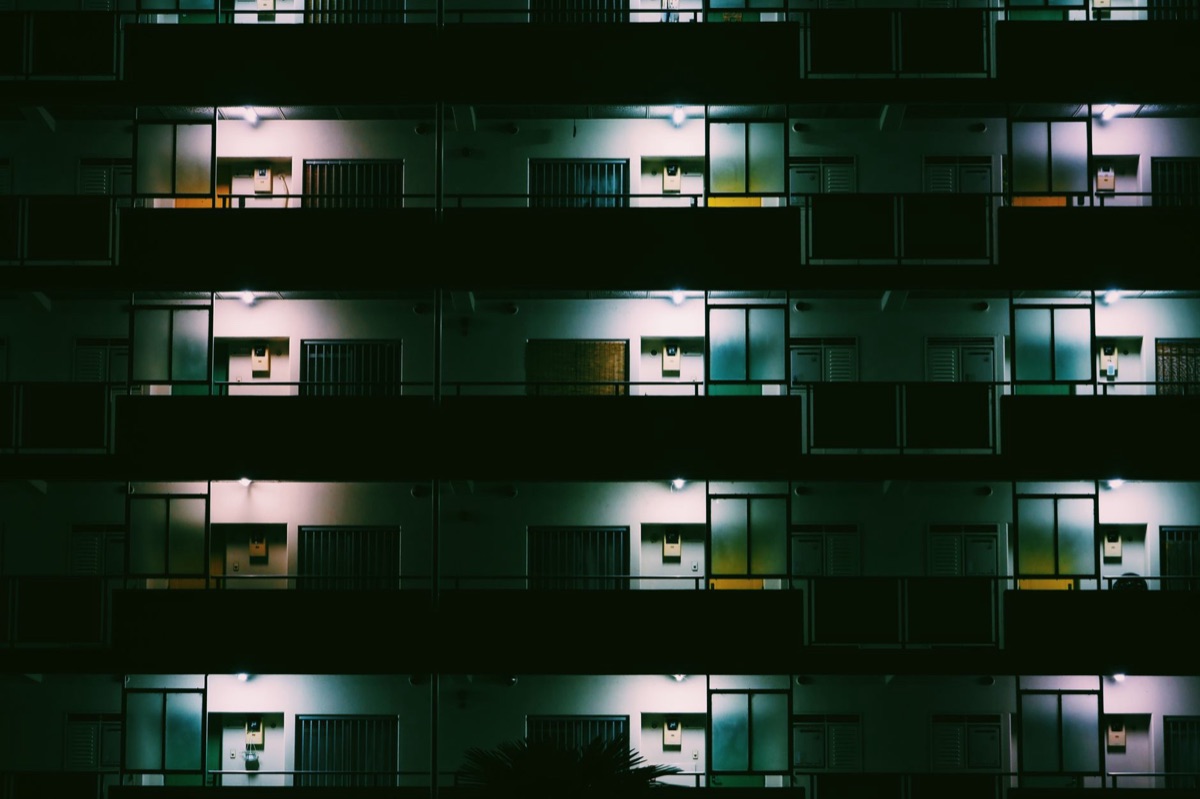
I remember standing at Shinjuku Station for the first time in early 2025, looking at the sea of people and thinking, "I want to live right in the middle of this energy." Two months later, I was exhausted by the constant noise, the lack of quiet grocery stores, and the sheer friction of moving through crowds just to grab a coffee.
The "Center vs. Periphery" divide is the first hurdle for anyone moving to Tokyo. Living in central wards like Shibuya or Shinjuku offers unparalleled access to everything, but you often face a 15-minute walk to a station that feels like a battlefield.
In contrast, moving to the outer suburbs might mean a 45-60 minute commute, but you gain a sense of breathing room that the city center lacks.
A lifestyle mismatch often occurs when people choose a neighborhood based on its reputation rather than its daily reality. A "vibrant" area often comes with constant construction noise, late-night revelry, and a transient population that makes it hard to build local roots.
Conversely, a "tranquil" residential area might be so quiet that you find yourself driving or taking long train rides just to find a decent dinner option after 8:00 PM.
There is also the hidden cost of location. Beyond the monthly rent, you must factor in local taxes, utility costs, and maintenance fees. Older buildings in central areas might have lower base rents but significantly higher utility costs due to poor insulation or aging infrastructure.
| Lifestyle Priority | Typical Neighborhood Type | Primary Trade-off |
|---|---|---|
| High Energy / High Cost | Central Hubs (Shinjuku, Shibuya) | Constant noise and high density |
| Business / Prestige | Central Business Districts (Chuo, Minato) | Less "local" feel; very expensive |
| Low Energy / High Tranquility | Residential Wards (Setagaya, Nerima) | Longer commutes to the city center |
| Niche / Subculture | Specialized Hubs (Nakano, Akihabara) | Highly specific, sometimes chaotic |
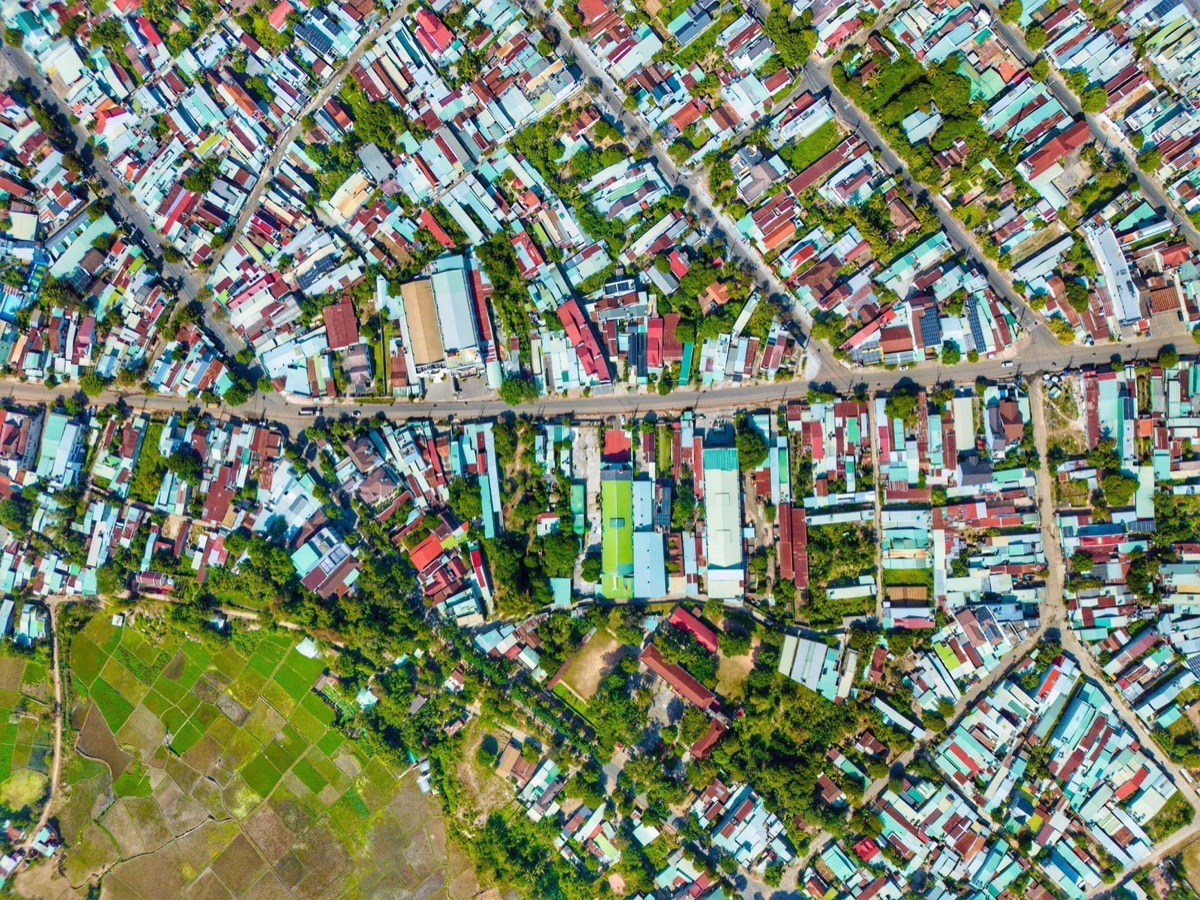
Which wards have the best career and buzz? The sun rose over the neon skyline of Shinjuku in July 2026, reflecting off the glass towers as the morning rush began. I watched a salaryman check his watch, eyes fixed on the digital departure board, embodying the relentless pace of the urban core.
Shinjuku and Shibuya serve as the epicenter of modern Tokyo. For those working in tech, media, or creative industries, these hubs offer unparalleled nightlife and corporate access.
However, the cons are significant: extreme crowds, a very high cost of living, and a transient population that can make the neighborhood feel hollow. You aren't living in a community here; you are living in a transit hub.
If your career involves high-level finance, luxury retail, or international business, the Ginza and Marunouchi areas represent the pinnacle of prestige. These districts offer excellent infrastructure and a sense of order.
The downside is that they often feel less "local" and have a much higher barrier to entry regarding both rent and social atmosphere.
For those with specific passions, areas like Akihabara or Nakano offer a deep dive into subcultures. If you are an otaku or a collector, living near these hubs allows for total immersion in your hobbies.
However, these areas can be highly specialized; what feels like a playground for your hobby might feel overwhelming or "too much" for a standard daily lifestyle.
But what happens when the hustle stops and you need to find peace?
Where can I find my Tokyo sanctuary? Walking through a quiet residential street in Setagaya in the spring of 2026, the sound of the city disappears, replaced by the soft hum of a passing bicycle and the distant chime of a local temple bell. It felt like a different dimension compared to the chaos of Shibuya.
Finding a sanctuary requires understanding the difference between residential wards and tourist hubs. In deep residential wards like Setagaya or Bunkyo, the presence of tourists is minimal, and the community is much more stable.
This is where you find the "real" Tokyo—the one with local vegetable stands and neighborhood shrines.
The "Suburban Dream" in Western Tokyo offers a quieter pace and stronger community bonds. These areas often provide better access to nature and local parks. The trade-off is almost always commute dependence.
You will likely spend a significant portion of your day on a train to reach the core of the city, which can lead to burnout if your job requires frequent late nights.
The balancing act is finding a "vibrant local life" without falling into a tourist trap. To do this, look for neighborhoods that have a balance of local markets and small-scale amenities.
You want a place where you can walk to a local *izakaya* or a small bakery without feeling like you are walking through a theme park.
However, finding the right spot is only half the battle; you also have to live through the daily grind.
Beyond the View: Comparing Infrastructure & Daily Life Quality
The morning commute on the Chomp Line in 2026 is a lesson in patience. As the train pulls into the station, you realize that your quality of life is often determined by how many transfers you have to make before you even reach your desk.
Commute reality is a major factor in daily stress. Comparing different train lines—such as the JR lines versus private lines—reveals huge differences in reliability and complexity. A single transfer can add twenty minutes of walking or waiting, which adds up over a year.
Living on a major line might be more expensive, but the ease of travel often justifies the cost.
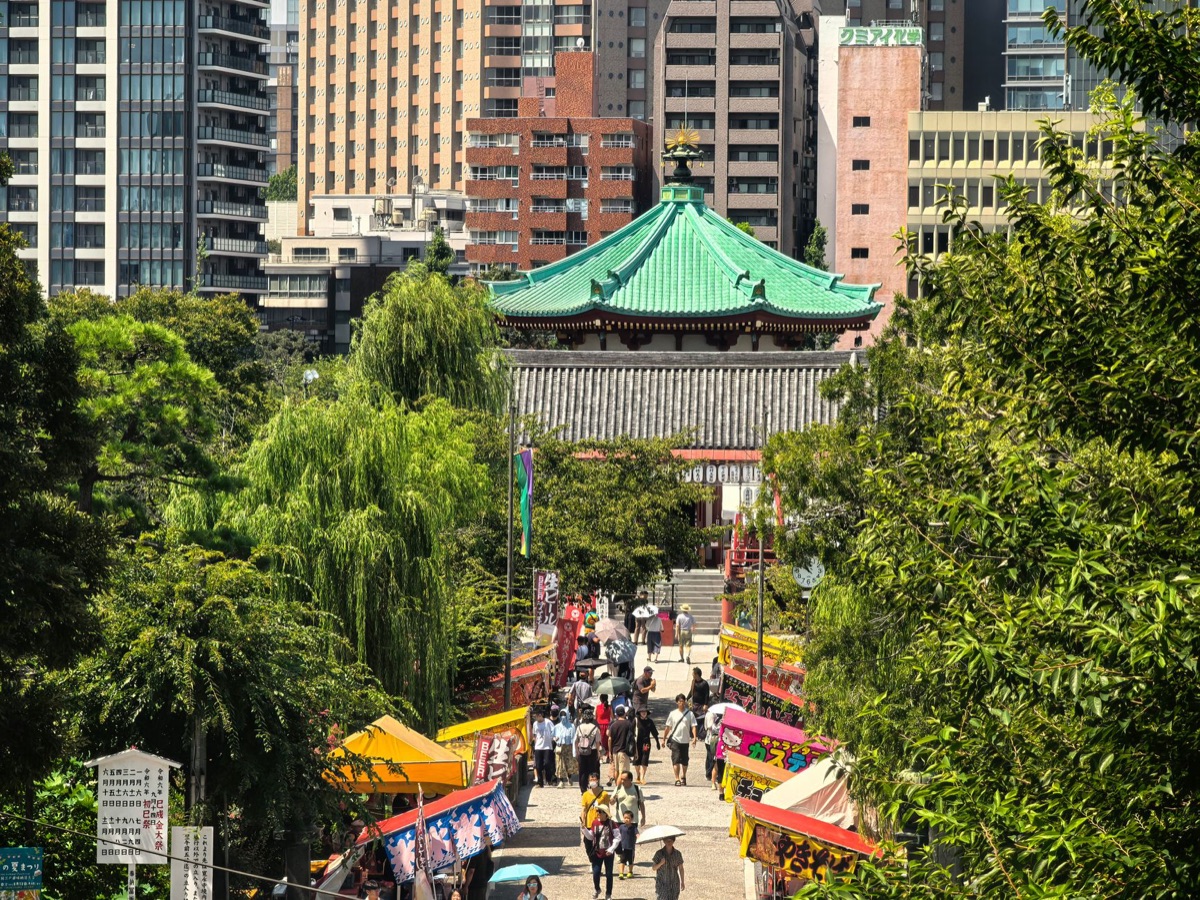
Local amenities also vary wildly by district. In central areas, you might have access to high-end supermarkets and 24-hour convenience stores on every corner. In more residential or suburban areas, you might rely more on discount chains or local markets.
You must consider how easy it is to access a dry cleaner, a pharmacy, or a specific type of grocery store relative to your daily routine.
Finally, there is the "vibe check" of local life. Some areas are highly internationalized, making it easy to find English-speaking services and diverse food. Other areas are deep-rooted local communities where you might feel like an outsider unless you adapt to local customs.
Understanding whether you want to be part of a global melting pot or a traditional neighborhood is essential.
But how do you actually make the choice without getting overwhelmed?
Making Your Move: A Quick-Match Guide
If you are still undecided, use this decision tree to narrow down your search based on your primary lifestyle driver.
- If your priority is Career & Social Access:
- * Look at Shinjakuku, Shibuya, or Minato.
- * *Expect:* High rent, high energy, and constant movement.
- If your priority is Quiet & Community:
- * Look at Setagaya, Bunkyo, or Nerima.
- * *Expect:* Lower noise, more greenery, and longer commutes.
- If your priority is Niche Interests & Culture:
- * Look at Nakano or Akihabara.
- * *Expect:* Highly specific atmosphere and unique neighbors.
- If your priority is Prestige & Infrastructure:
- * Look at Ginza or Marunouchi.
- * *Expect:* High costs and a more formal, business-centric atmosphere.
Finding the right neighborhood in Tokyo is a process of elimination. You start by identifying what you absolutely cannot live without—whether that is a 15-minute commute or a quiet street—and then you look for the neighborhood that offers that, even if it requires a compromise in another area.
#


Comments 0