Tokyo Otaku Concerts: A Guide to the Ultimate Fan Pilgrimage
"To join a concert in Tokyo is to step into a living, breathing ritual of shared passion."
If you have ever stood in a crowded hall in Akihabara or a massive arena in Ariake, feeling the synchronized energy of thousands of fans, you know that these aren't just musical performances—they are cultural events.
* Understand the transition from underground subcultures to massive, high-tech concert spectacles. * Identify the best venues, from legendary Zepp halls to intimate underground clubs in Shinjinjuku. * Master the essential etiquette and logistical "survival" skills needed to navigate a Japanese concert. * Learn how to build a complete itinerary that blends live music with neighborhood exploration.
Why is Tokyo the epicenter for Otaku concerts?
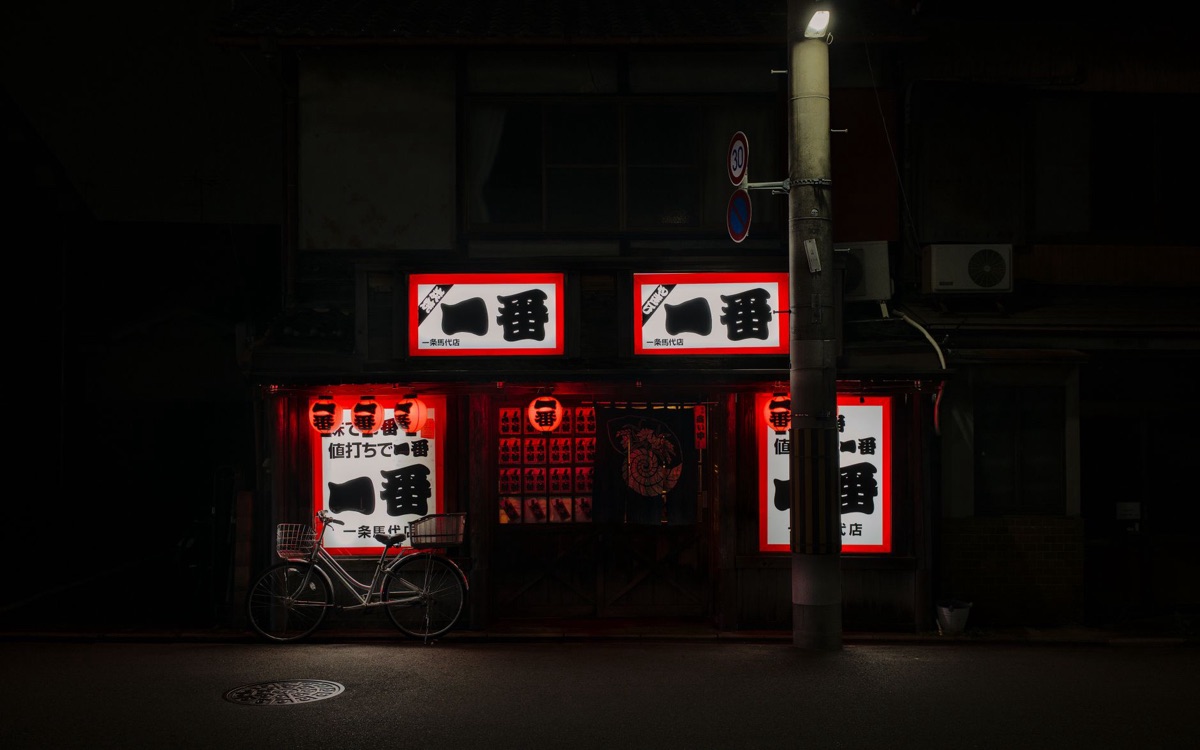
The neon lights of Akihabara flickered against the rain-slicked pavement as I stood outside a small live house in late 2024, clutching a limited-edition concert flyer. The air smelled of ozone and damp asphalt, and the hum of the city felt electric against my skin.
I realized then that the energy in this city doesn't just come from the artists on stage, but from the intense, dedicated community surrounding them. In the current 2026 landscape, this energy has only intensified as digital and physical worlds blur.
The roots of this culture lie in the transition from niche, underground meetups to the massive, high-budget spectacles we see today. In decades past, "Otaku" culture—centered on anime, gaming, and specific sub-genres—was often relegated to small, dim basement clubs.
However, as these fandoms grew, so did the production value. What started as local fan gatherings evolved into a sophisticated industry where technology, light shows, and synchronized fan movements meet.
In 2025, we saw the first major wave of fully immersive holographic tours, proving that the scale of these events is still expanding.
Unlike mainstream J-Pop concerts, which often focus on idol charisma and pop sensibilities, Otaku-centric concerts often revolve around a specific "world-building" element.
Whether it is a virtual singer concert, a game-soundtrack live band, or a themed vocal performance, the concert is an extension of a larger narrative.
This symbiotic relationship between the fan's deep knowledge and the artist's performance creates a unique atmosphere that you won't find in a standard pop concert. It is a space where the audience is as much a part of the show as the performers.
But understanding the vibe is only half the battle; you also need to know where to stand.
Where to go: Top venues and hidden gems
I remember walking into a Zepp venue for the first time in 2023; the smell of ozone from the fog machines and the sheer scale of the sound system felt like stepping into another dimension. The transition from a small club to a massive arena can be jarring if you don't know what to look for.
When planning your trip in 2026, you must distinguish between large-scale arenas and "Live Houses." Major venues like those in the Ariake district or large Zepp halls (like Zepp DiverCity or Zepp Haneda) host massive, high-budget events with professional lighting and sound.
These are perfect for seeing major acts that have crossed over into the mainstream.
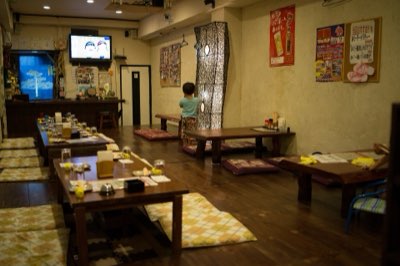
In contrast, the "Live Houses"—smaller, dedicated music venues—are often found in districts like Shinjuku, Shibuya, and sometimes even the backstreets of Nakano. These spots are the heart of the underground scene.
They are often cramped, loud, and intimate, offering a much closer connection to the performers.
| Venue Type | Atmosphere | Typical Capacity |
|---|---|---|
| Major Arenas | High-tech, massive, professional | 10,000 – 20,000+ |
| Zepp Halls | High energy, excellent sound | 1,000 – 3,000 |
| Live Houses | Gritty, intimate, underground | 50 – 300 |
* Major Arenas: High production, large crowds, easier to navigate but harder to get close to the stage. * Live Houses: Gritty, intimate, often cheaper, but require more physical stamina and understanding of local rules. * Neighborhood Watch: Akihabara is the spiritual home for gaming and anime-related events, while Shibuya and Shinjuku serve as the hubs for various sub-genres of indie and electronic music.
Before you commit to a ticket, try to scout the venue's vibe. If you are attending a concert in a small Shinjuku basement, check the venue's website or social media to see if it is a "standing-only" venue. This will tell you exactly how much physical preparation you need.
But even with the right venue, you might find yourself lost in the crowd without a plan.
Your perfect concert pilgrimage: Building the ultimate itinerary
The morning sun hit the glass towers of Shinjuku as I sat in a quiet cafe in early 2025, mapping out a three-day weekend that would transition from a morning of browsing vintage hobby shops to a late-night concert in Shibuya.
The coffee was hot, but my mind was already racing through the logistics of the weekend.
A concert in Tokyo is rarely a standalone event; it is the centerpiece of a much larger journey. To make the most of your trip, you should treat the concert as the climax of a "pilgrimage." A perfect three-day itinerary might look like this:
- Day 1: The Deep Dive. Spend your morning in Akihabara or Nakano Broadway. Visit specialized hobby shops or themed cafes to immerse yourself in the specific culture of the artist or genre you are about to see.
- Day 2: The Main Event. Spend the afternoon exploring a local park or museum, then head to your venue. Use the late afternoon to grab a hearty meal—don't rely on concert snacks alone.
- Day 3: The Recovery. After a late-night show, use the morning for a slow-paced visit to a local shrine or a traditional hot spring (onsen) to decompress.
| Phase | Activity Type | Example Location |
|---|---|---|
| Pre-Concert | Cultural Immersion | Akihabara Hobby Shops / Nakano Broadway |
| During | The Main Event | Zepp Venues / Major Arenas |
| Post-Show | Social Debrief | Local Izakayas / Ramen Shops |
Transportation is key. Tokyo's rail network is incredible but can be overwhelming. For concert-goers, I highly recommend using a Suica or Pasmo card (or the digital versions on your phone) to avoid the hassle of buying individual tickets at machines.
If your concert is in a different ward, check the last train times carefully; missing the last train can turn a great night into an expensive taxi ride. However, even if you have the perfect itinerary, you might still struggle once you hit the venue doors.

Beyond the stage: Mastering the Otaku concert etiquette
Standing in a silent, perfectly organized queue for merchandise felt like a lesson in discipline I didn't know I needed. In Japan, the concert experience is governed by a set of unspoken rules that ensure everyone can enjoy the show without chaos.
The most important thing to understand is that "order" is a way of showing respect to the artists and other fans. When you join a merchandise line, do so quietly and follow the instructions of the staff exactly. If there is a designated area for fan club members, do not attempt to bypass it.
* The Art of the Line-Up: Be prepared to wait. For popular artists, merchandise queues can start hours before the doors open. Bring a portable battery for your phone and a small bottle of water. * The "Deep Dive" Gear: Pack a sturdy, reusable bag for merchandise. You will likely buy more than you expect. Avoid bringing large backpacks into the venue; most live houses require you to use a locker or leave large items at your hotel. * Language Barrier Breakers: While many staff speak basic English, knowing a few polite phrases goes a long way. * *Sumimasen* (Excuse me/I'm sorry) is your most useful tool. * *Onegaishimasu* (Please) is essential when handing over money or a ticket.
Remember that "fan engagement" has its own rules. In some genres, synchronized clapping or light-stick waving is expected; in others, silence is the norm. Observe the crowd for a few minutes before joining in to ensure you are following the local rhythm.
But what happens when the show is over and you are faced with the reality of your spending?
Pro-tips for first-timers and veterans
I sat in a small ramen shop at 1:00 AM, looking at my receipt and realizing that a single concert night could easily cost as much as a luxury dinner. The steam from the bowl clouded my glasses as I realized how much I had actually spent on that night's excitement.
If you are a first-timer, your priority should be ticket acquisition. In Japan, the "lottery" system is common for popular shows. This means you apply for a chance to buy a ticket well in advance.
Scalping is strictly discouraged and often illegal; always try to use official fan club presales or authorized ticketing sites like Lawson Ticket or e-plus.
* Budgeting for Immersion: A realistic budget for a concert weekend should include: * Ticket: ¥5,000 – ¥15,000 * Merchandise: ¥3,000 – ¥10,000 * Food & Transport: ¥5,000 per day * The "Why": Match your depth to the scale. If you want a loud, high-energy experience, go for a large arena. If you want to feel like you are part of a secret community, look for a small live house. * Advanced Tip: Follow local artists and venues on X (formerly Twitter) or Instagram. This is where real-time updates on ticket availability, venue changes, and pop-up events are often posted first.
#


Comments 0