Hachiko Statue: 10 Years of Loyalty in Bustling Shibuya
"Waiting can become a daily routine for some, but for others, it becomes a legend."
In the heart of Shibuya, amidst the relentless surge of crowds, we habitually turn toward the Hachiko statue to set a meeting point. More than just a landmark, this bronze figure represents the very soul of Tokyo’s intersection of life and loss.
* Key Takeaways: Understand the history of Hachiko’s loyalty, the evolution of Shibuya Station, and how to experience this landmark without getting lost in the crowd. * Time Required: A brief 15–20 minute pause at the Hachiko statue. * Pro Tip: Visit during weekday mornings or late evenings to appreciate the statue's details without the overwhelming weekend crowds.

Why does everyone gather at Hachiko?
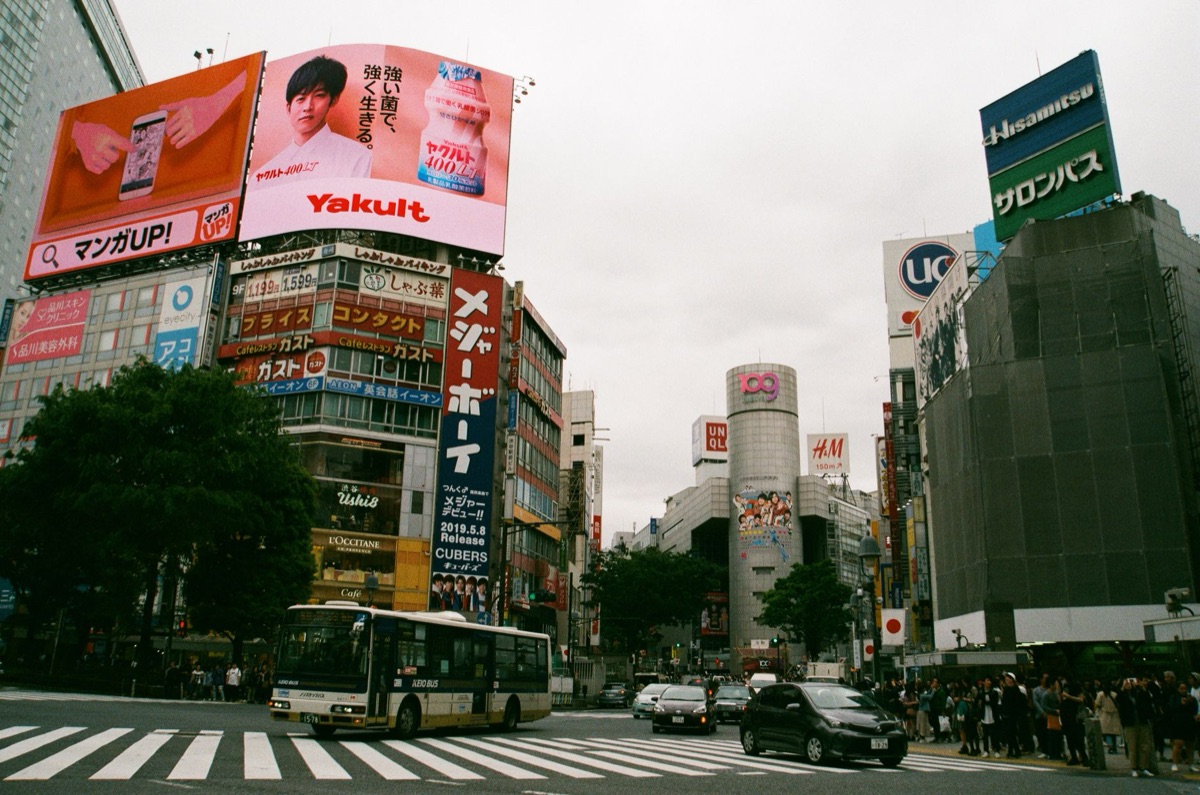
A gray, drizzly afternoon at the station entrance sees a sea of commuters pouring out of the gates, all gravitating toward a single, silent point. In the middle of the chaos stands a bronze dog, waiting patiently.
Some travelers pause to snap a quick photo, while locals use the base as a quiet place to check their phones before meeting friends.
In 2020, Japan recorded international tourist arrivals of 4,115,800, according to World Bank data, and the density of travelers in areas like Shibuya has only intensified since then.
Shibuya has undergone some of the most radical urban transformations of any district. What was once a quiet neighborhood has evolved into a global epicenter of trend and commerce.
Throughout this metamorphosis, the Hachiko statue has remained a constant, representing the enduring values of loyalty and connection. It is not merely a piece of art; it is a symbol of the "meeting and waiting" culture that defines the station.
People are drawn to this small statue because Hachiko’s story touches a universal nerve. It speaks to a sense of devotion that feels increasingly rare in a fast-paced world. But behind this touching narrative lies a deeper look at how a single story can reshape the identity of an entire city.
Why did he never stop waiting for his owner?
During the quiet twilight, the old dog sits motionless at the station entrance, his fur damp from the evening mist.
Imagine a sunny afternoon in the 1920s, where a university professor and his loyal dog walk side by side through the streets of Tokyo. This is not a fairy tale, but a historical reality that changed the identity of Shibuya forever.
In the early 20th century, Professor Hidesaburo Ueno and his Akita, Hachiko, shared a bond that defined their daily lives.
Every morning, Hachiko would see his owner off at Shibuya Station to catch a train, and every evening, he would return to the exact same spot to wait for his master's return. This routine was the rhythm of Hachiko's life. When the professor passed away unexpectedly, the routine did not break.
For nearly ten years, Hachiko returned to the station at the same time, every single day, waiting for a man who would never come home.
As the story spread, it captured the hearts of people across Japan and eventually the world. Hachiko’s loyalty became a symbol of trust and social bonds, transcending the simple relationship between a pet and an owner. The statue stands there today to honor that profound, unwavering patience.
However, the placement of the statue was also influenced by the changing geography of the area.
How did Hachiko survive the changing face of Shibuya Station?
The roar of the subway and the constant hum of the crowd fill the air at the station plaza, yet the statue remains still, as if shielding a pocket of time from the modern world. Shibuya has always been a vital transportation hub, constantly expanding and being rebuilt.
In the current era of 2026, the district is becoming a massive complex of underground cities and soaring skyscrapers.
As buildings grew taller and underground tunnels became more labyrinthine, the identity of the station shifted. Yet, the space occupied by the Hachiko statue has remained a central axis of Shibuya’s identity through every redevelopment phase.
Over time, Hachiko has transitioned from a local story to a "guardian deity" of the district.
| Feature | Historical Shibuya | Modern Shibuya |
|---|---|---|
| Primary Function | Residential & Local Transit Hub | Global Commercial & Cultural Center |
| Atmosphere | Quiet, Community-focused | High-energy, Neon-lit, Crowded |
| Hachiko's Role | Local beloved figure | Iconic Tokyo Landmark |
But as the city grows more complex, how do we maintain a connection to the story behind the bronze?
Feeling the weight of the legend in person
Standing before the statue, you might feel less like you are looking at cold metal and more like you are witnessing a lingering moment of longing. While tourists smile for selfies, locals often treat the space with a quiet, almost solemn respect.
The Hachiko statue is famous not because of its aesthetic, but because of the emotion it carries. The story of an unchanging heart gives life to the bronze. If you look closely at the statue, you can see the intensity in the dog's gaze and the stillness of his posture.
It serves as a reminder of human will—the drive to move toward someone we love, even in a vast, impersonal city.
It is important to remember that the area is incredibly crowded. The constant flow of people can make it difficult to find a moment of quiet reflection. However, that very chaos is part of the Shibuya experience. So, how do you navigate this high-energy district effectively?
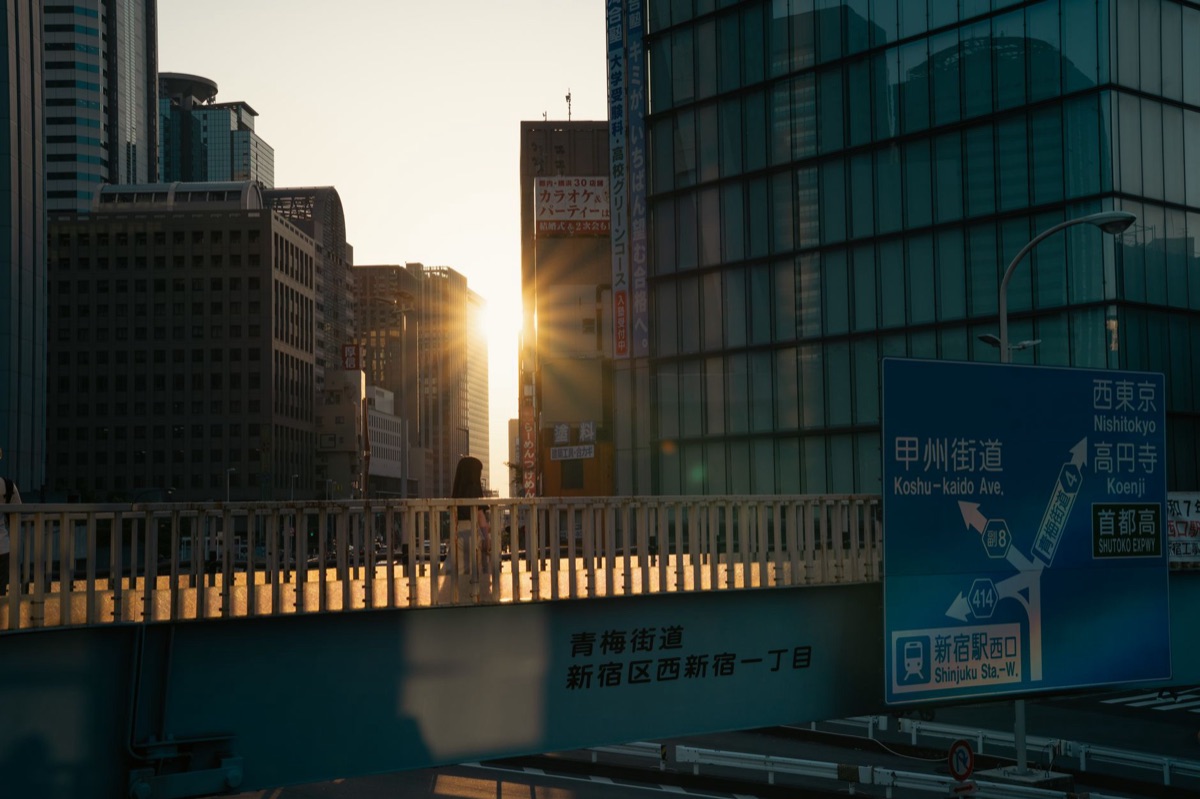
A four-step guide to conquering Shibuya
Once you have paid your respects at the statue, it is time to dive into the vibrant energy of the surrounding streets. The Hachiko statue is the starting point for any great Shibuya adventure.
- Cross the Scramble: Just in front of the statue lies the famous Shibuya Scramble Crossing. Watch as hundreds of people move in a synchronized dance of organized chaos. 2. Visit a Scramble-viewing Cafe: Find a seat at a nearby cafe (expect to pay roughly 500 to 700 yen for a coffee) to watch the human tide from above. 3. Walk through Miyashita Park: This modern, multi-use park combines shopping and green space, offering a perfect glimpse into the contemporary pulse of the city. standing in the middle of the street, you can feel the sheer scale of the urban design. 4. Explore Okushibuya: For a quieter experience, take a 10-to-15-minute walk toward the Okushibuya area, known for its charming boutiques and quiet cafes.
The best spots for photography and views
Shibuya changes its expression with every shift in light. While the statue is the star, you need a strategy to capture the full scale of the district.
* Low-Angle Statue Shots: Position your camera at the level of the statue to capture the determined expression of the bronze dog against the backdrop of the city. * High-Altitude Perspectives: Head to an observation deck like Shibuya Sky to capture the massive grid of the city that surrounds the Hachiko landmark. * Night Photography: When the neon lights flicker on, the atmosphere becomes dreamlike. Use high-sensitivity settings rather than a tripod to keep your shots candid and sharp.


Comments 0