Onsen Etiquette: Guide to Tokyo's Communal Bath Rituals
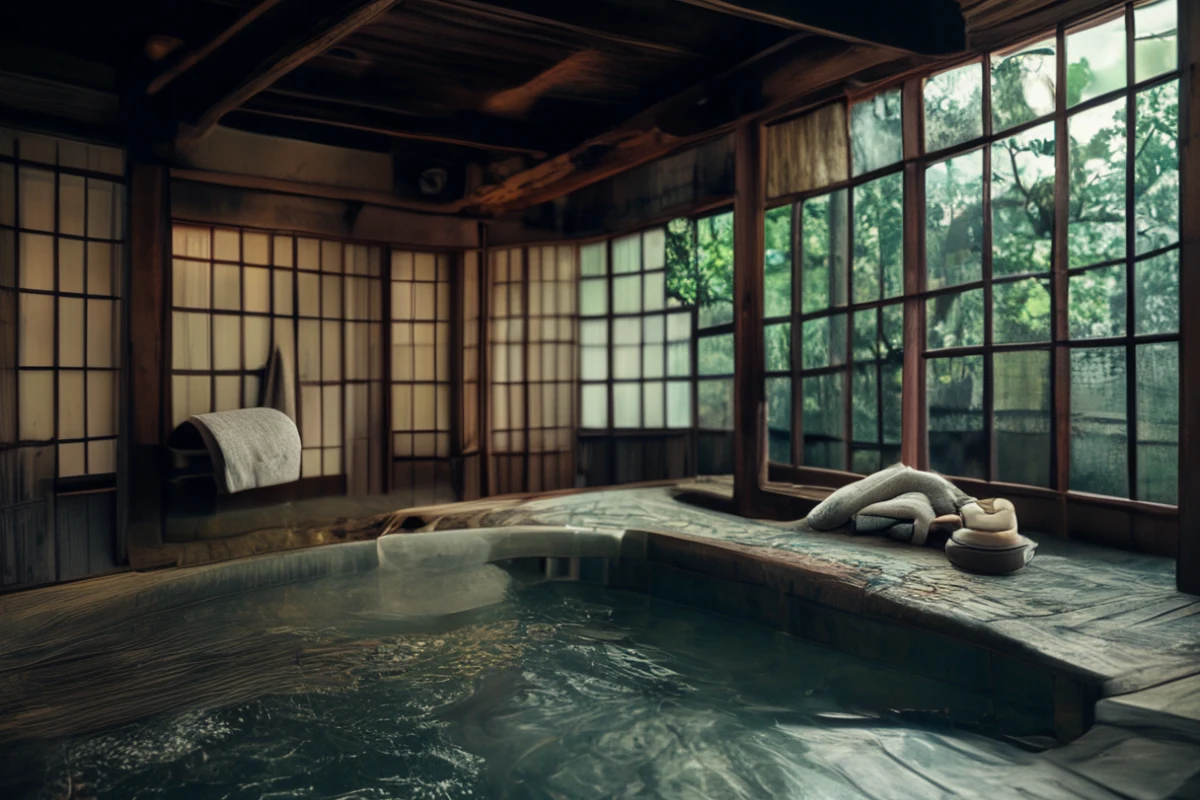
"To step into an onsen is to leave the frantic rhythm of Tokyo at the door and enter a space where time is measured only by the heat of the water."
Stepping into a steaming communal bath can feel intimidating if you aren't sure of the unspoken rules. This guide will help you transition from a nervous visitor to a confident guest by mastering the essential etiquette of Japan’s bathing culture.
* Scrub first, soak second: Never enter the communal water without washing your entire body thoroughly at a stool first. * Respect the water: Keep your small face towel out of the bath and maintain a quiet, peaceful atmosphere. * Know your setting: Understand the difference between a quick neighborhood *sento* and a luxury *ryokan* soak. * Timing is everything: Visit during off-peak hours to enjoy the meditative silence that defines the true onsen experience.
Why is Onsen Culture So Important in Modern Tokyo?
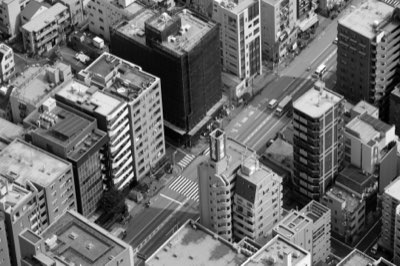
The neon lights of Shinjuku and the crowded subway lines of Shibuya represent the relentless pace of Tokyo life. In the middle of this high-speed environment, the onsen serves as a vital decompression chamber for the city's residents.
According to World Bank data, Japan recorded international tourist arrivals of 4,115,800 in 2020.
While Tokyo is a global economic powerhouse, its soul is often found in these quiet, restorative rituals. The contrast between the high-tech skyline and the ancient practice of soaking in mineral water is stark.
For many workers, a visit to a local bathhouse is not just about hygiene; it is a mental reset.
Historically, the relationship between the land and water has shaped the region. During the Jomon period, sea levels in Tokyo Bay rose by 120 cm, altering the coastline that now surrounds the Imperial Palace.
This deep connection to water and the changing landscape has always influenced how people live and cleanse. In a city that never truly sleeps, the ability to find stillness in a steaming pool is a necessity for survival.
But how does one transition from the chaos of a busy street to the stillness of a bath without breaking social decorum?
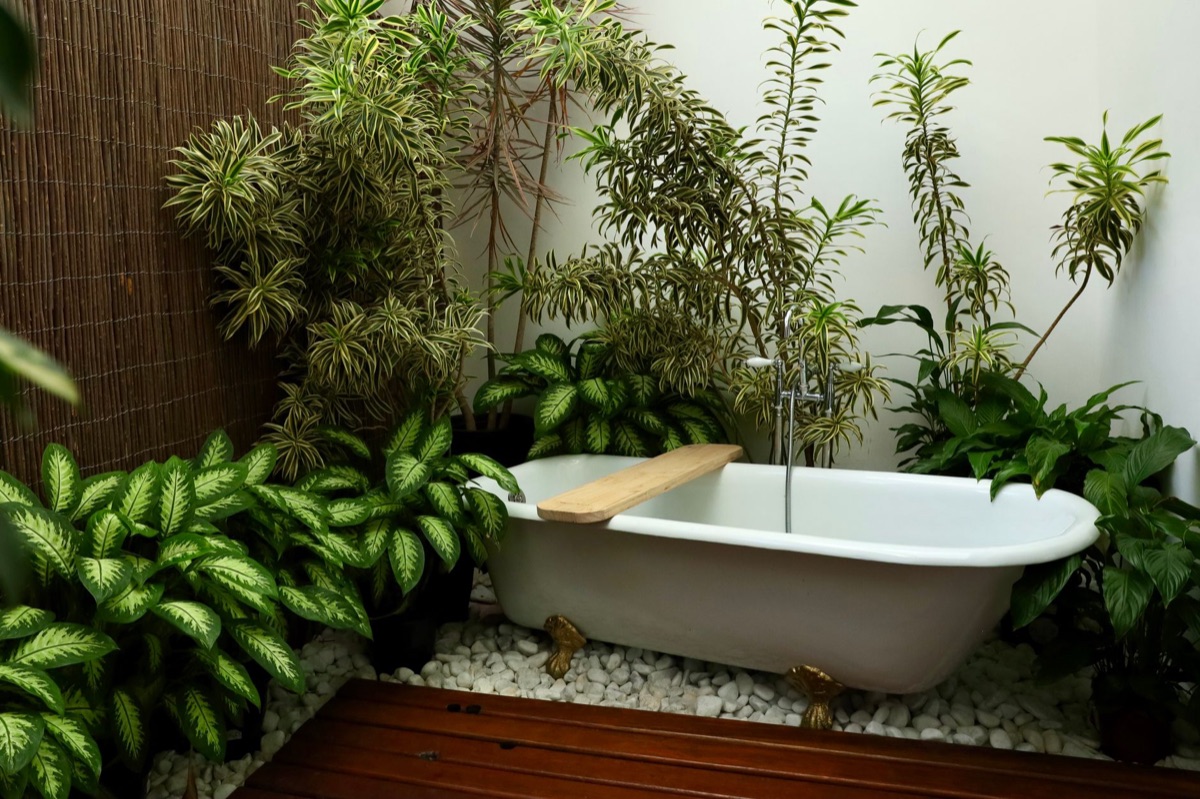
What is the proper ritual before I soak? I sit on a low wooden stool at the washing station, feeling the warm spray of the shower against my shoulders.
I remember my first visit to a traditional bathhouse in the Yanaka district in the autumn of 2025. I stood at the entrance, clutching my small bag, feeling the heat hit my face through the sliding door. I realized quickly that there was a very specific order to everything.
Before you even think about touching the communal water, you must undergo a thorough cleansing ritual. In a Japanese bathhouse, the water in the tub is considered pure and communal; you should never introduce soap or dirt into it.
- The Entrance: Remove your shoes at the entrance and place them in a locker. Change into the provided clothes or your own modest attire.
- The Washing Station: Find a seat at one of the low stools. This is where you will perform your primary cleaning.
- The Scrub Down: Use the provided soap and wash your entire body. Rinse off every trace of bubbles and suds using the handheld showerhead.
- The Final Rinse: Ensure no soap remains on your skin before you move toward the soaking area.
It is also important to keep your belongings organized. Most facilities provide a small plastic basket for your clothes and a small towel. Never bring your smartphone or any electronic devices into the wet area.
The humidity and the risk of dropping a device in the water make it a major breach of etiquette.
However, once you are clean, the real challenge begins: the social nuances of the water itself.
How do I master onsen manners like a local? The moment you step into the water, the atmosphere should shift to one of quiet respect. In a crowded bath, you might feel the urge to talk loudly, but the goal is to maintain a serene environment for everyone.
When you enter the tub, you will notice people sitting quietly or leaning against the edge. It is polite to keep your conversation at a low volume. If you are in a very quiet, high-end onsen, silence is often the expected norm.
* Towel Management: You will usually have a small hand towel. Do not let this towel touch the water. Instead, place it on your head or set it on the side of the tub. * Temperature Awareness: Do not splash water or jump into the tub. Enter slowly to let your body adjust to the temperature. * Hair Control: If you have long hair, tie it up securely so it does not dip into the communal water. * The "No-Soap" Rule: Never use soap while you are actually sitting in the soaking tub. The tub is for soaking, not for washing.
If you notice someone else is using a specific seat or area, it is polite to give them space. In Japan, communal living relies on a high level of spatial awareness. By being mindful of your physical footprint, you show respect to the other guests.
But what happens once you leave the heat behind?
Beyond the Soak: Enhancing Your Onsen Experience
Walking out of the steam and back into the cool air of the changing room can feel jarring if you don't follow the proper post-bath routine. The transition back to the "real world" should be gradual.
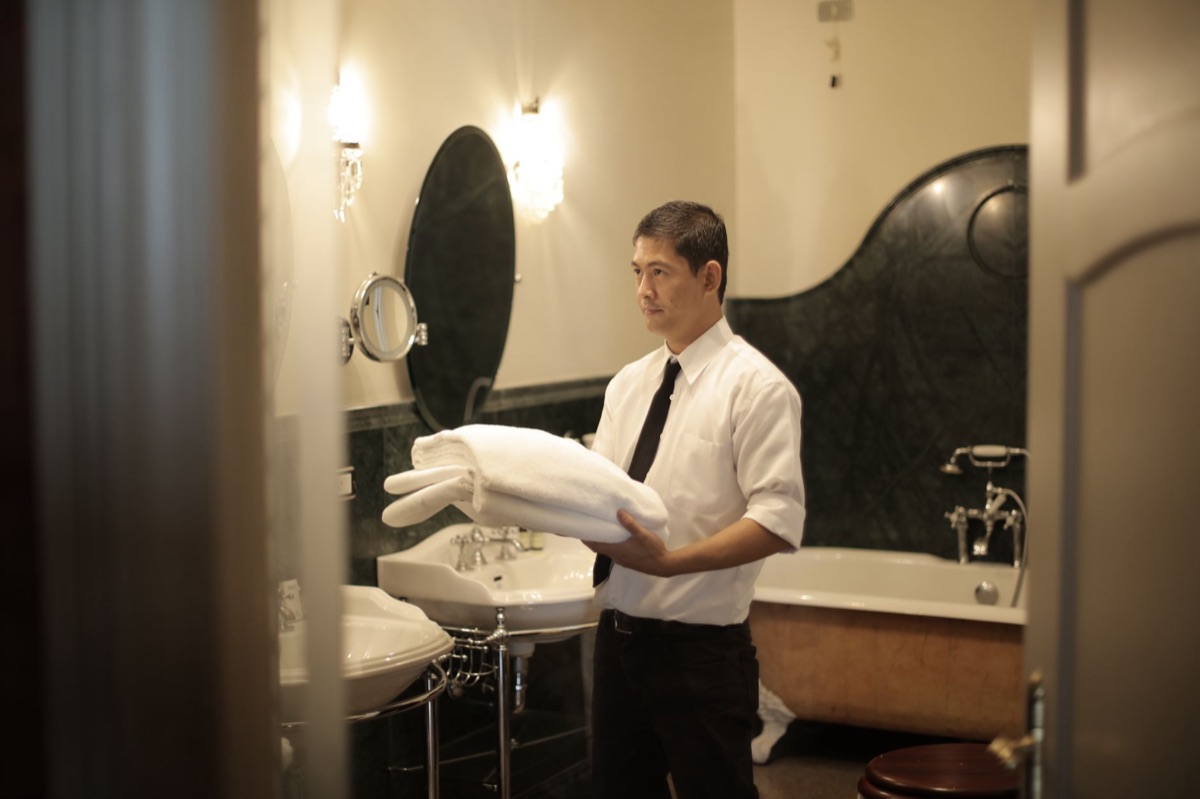
After you exit the water, use your small towel to pat your body dry before walking back into the changing area. It is considered polite not to drip water all over the floor where others are walking.
Once you are in the changing room, you can use the larger communal towels provided to dry off completely.
| Experience Type | Best For... | Vibe |
|---|---|---|
| Sento (Public Bath) | Daily hygiene and local community feel | Casual, energetic, affordable |
| Onsen (Hot Spring) | Therapeutic mineral benefits and relaxation | Calm, traditional, restorative |
| Ryokan (Inn Stay) | Full immersion and luxury travel | High-end, private, slow-paced |
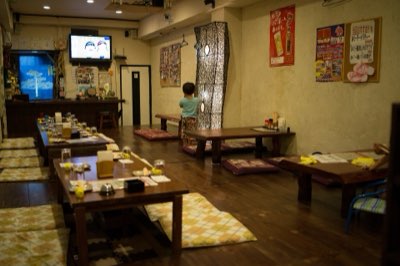
To make the most of your visit, consider pairing your soak with a local meal. In many neighborhoods, a visit to an onsen is followed by a trip to a nearby Izakaya for a cold drink and light snacks. The combination of heat and a light meal is a classic way to end a day in Tokyo.
If you are looking for a deep, transformative experience, look for a Ryokan in the outskirts of the city. If you want a quick, refreshing break during a busy shopping trip in Ginza, a local sento might be your best bet.


Comments 0