Tokyo local food guide: Scale influences local life
"To live in a metropolis is to consume its history, one meal at a time."
Understanding the Tokyo local food guide requires a grasp of the city's massive economic scale and its geographic diversity. This guide covers the economic context of the capital, the geographic spread of the metropolitan area, and the environmental factors affecting local life.
What defines the economic scale of a Tokyo local food guide?
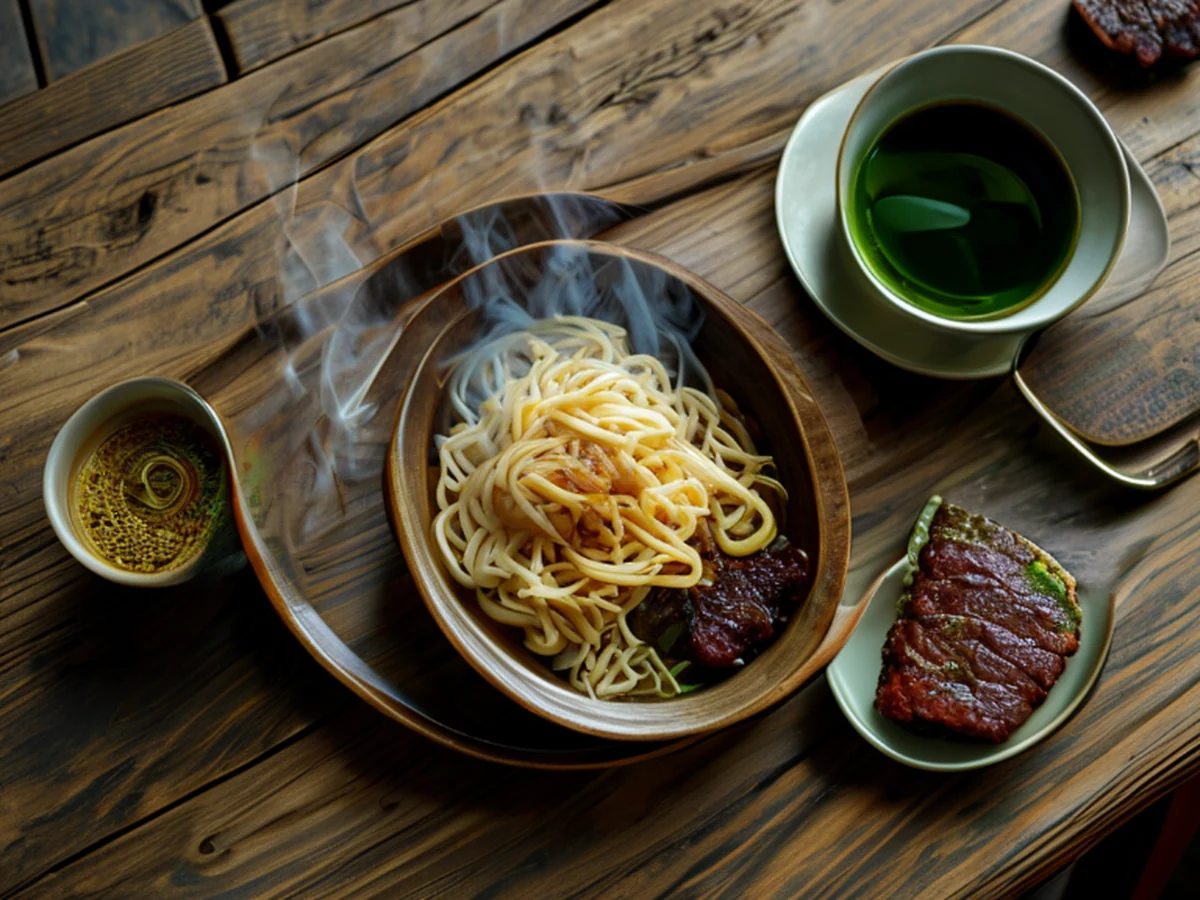
At dawn, a chef counts stacks of yen in a cramped tokyo stall while the scent of grilled fish fills the air.
A chef stands before a bustling market, calculating costs against the backdrop of a massive economy. The scale of the city influences everything from ingredient pricing to the availability of premium goods.
Tokyo's economic presence is a significant factor for anyone navigating the city. In FY2022, the city's nominal gross domestic output was 120.2 trillion yen (US$887.9 billion), which accounted for 21.2% of Japan's economic output. This translates to 8.43 million yen or US$62,291 per capita.
Navigating these economic realities is essential for anyone seeking Tokyo eats for newcomers. The sheer volume of trade and wealth concentrated here shapes the culinary landscape.
How does geography shape the local Tokyo dishes?
A traveler looks at a map, tracing the vast distance between the city center and its furthest reaches. The vastness of the territory means that ingredients can come from both urban centers and distant islands.
The administrative boundaries of the metropolis are quite expansive. The mainland portion of Tokyo lies northwest of Tokyo Bay and measures about 90 km (56 mi) east to west and 25 km (16 mi) north to south.
Beyond the mainland, the area includes two island chains in the Pacific Ocean: the Izu Islands and the Ogasawara Islands. These islands stretch more than 1,000 km (620 mi) away from the mainland. This diversity of terrain provides a wide variety of seafood and agricultural products.
According to World Bank, the 2023 record includes 12.6%.
What are the seasonal changes in a guide to Tokyo food?
A diner feels the shift in the air as the seasons change, affecting the freshness of seasonal specialties. Temperature swings dictate the rhythm of the local food culture.
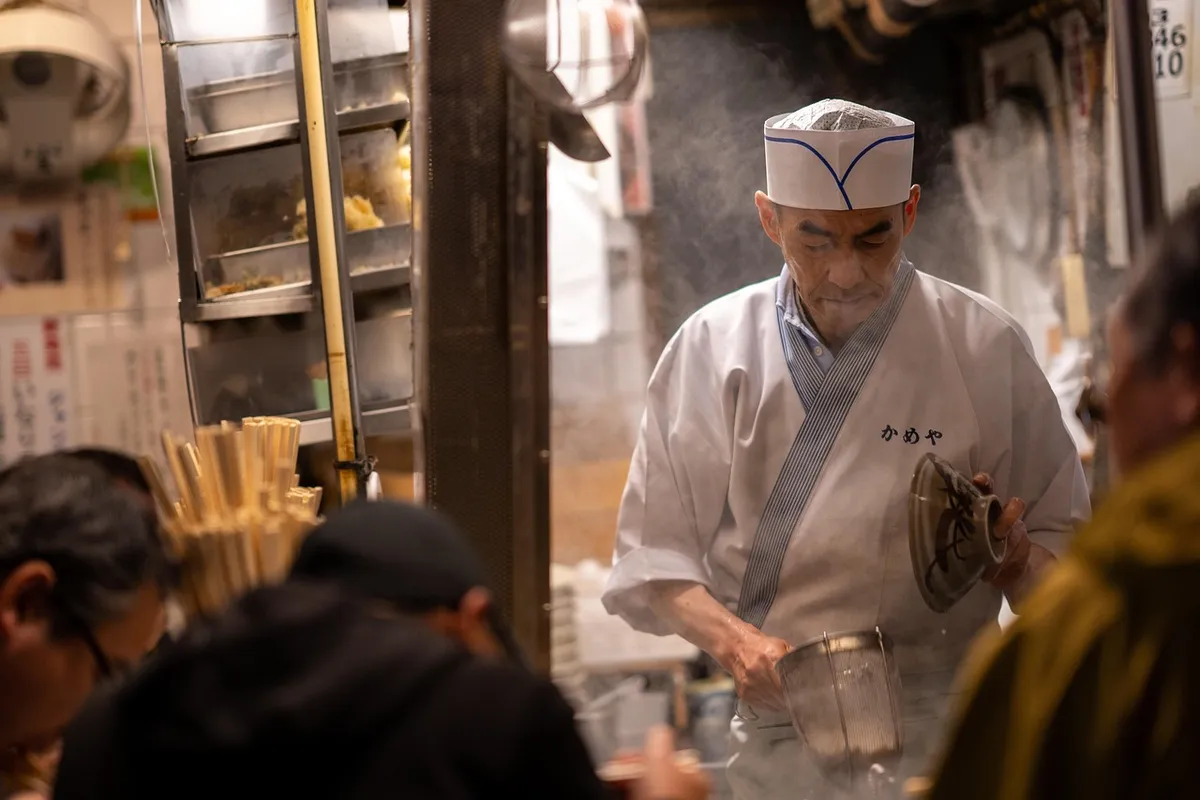
Temperature fluctuations play a role in how people eat throughout the year. The warmest month is August, which averages 26.9 °C (80.4 °F). Conversely, the coolest month is January, averaging 5.4 °C (41.7 °F).
These shifts are part of the natural cycle for anyone looking for Tokyo food for expats. Understanding these changes helps in timing visits to specific regional eateries.
How can one manage the environment while seeking must try Tokyo spots?
A resident adjusts their clothing to match the rising heat of a changing climate. Environmental factors are a constant consideration for daily life and food sourcing.
The environment has undergone noticeable changes over the last century.
People must adapt to these shifts when exploring the city. Managing expectations regarding weather and seasonal availability is key when planning trips to various districts.
What is the scale of the population for Tokyo food for movers?
A newcomer walks through a crowded station, realizing the sheer number of people they will share the streets with. The density of the population creates a vibrant but sometimes overwhelming dining scene.
The population density is a major factor in urban life.
This large population ensures that there is always something to discover. The sheer number of people living in the country impacts the logistics of food distribution and service.
How do we compare the land and population?
A planner reviews statistics to understand the relationship between land use and human density. Comparing these figures helps in understanding the space available for both living and food production. According to the World Bank, Japan recorded an agricultural land share of 12.6% in 2023.
| Category | Value |
|---|---|
| Japan Total Population (2025) | 123,366,734 |
| Japan Agricultural Land Share (2023) | 12.6% |

I looked at these figures to understand the balance of the region. The relationship between land and people is a fundamental part of the local landscape.
One limitation of this overview is that it focuses on broad regional statistics rather than specific street-level culinary details.
- What defines the economic scale of a Tokyo local food guide?
- How does geography shape the local Tokyo dishes?
- What are the seasonal changes in a guide to Tokyo food?
The subject here is Tokyo local food guide.
This part also covers Navigating local dining.
This part also covers Food tips for movers.
Related
- Tokyo local hidden gems: Guide to navigating local dining
- Tokyo apartment price guide: Tips for moving to Tokyo now
How does the population density relate to the metropolis experience?
The population density reflects the sheer number of individuals inhabiting the metropolis. This high concentration affects the dining experience for those who choose to live here.
- The large population base supports the constant availability of diverse food options. 2. The sheer volume of residents influences the logistics required for food distribution across the vast area.
What is the comparison between the land area and the population?
The comparison between the land area and the population size frames the lifestyle within the metropolis. This relationship dictates how resources are managed for the inhabitants.
The mainland portion of Tokyo, though geographically defined, supports a population whose scale is part of the national total. This density contrasts with the wider reach of the islands included in the metropolitan area.
The lifestyle of those who choose to live in this metropolis is intrinsically tied to these scales of land and people.
How does the scale of the metropolis influence the daily life of its residents?
The scale of the metropolis dictates the practical realities faced by those who live within its boundaries. The sheer volume of activity in the metropolis necessitates efficient systems for resource allocation.
- The massive population base requires complex logistical chains for supplying food to all inhabitants. 2. The economic scale supports a wide array of specialized vendors catering to the high volume of consumers.
What is the relationship between the geographic spread and the food supply?
The geographic spread of the metropolis determines the potential sources for local cuisine. The inclusion of distant islands contributes unique ingredients to the local diet.
The mainland area provides the core of the urban food scene, while the outlying islands offer specialized products unavailable closer to the city center. This combination reflects the metropolis's comprehensive sourcing network.
The lifestyle of those who live in this metropolis benefits from this extensive sourcing capability, accessing both local and distant resources.




Comments 0