Tokyo local hidden gems: Guide to navigating local dining
This article provides a guide to discovering authentic dining experiences within Tokyo's dense urban fabric. Readers will learn how to navigate local neighborhoods to find genuine flavors away from tourist crowds, while understanding the practicalities of urban exploration.
* Identify neighborhood-specific dining trends. * Learn to navigate local food culture. * Understand the balance between famous landmarks and hidden gems. * Recognize the seasonal nature of local ingredients.
How to find Tokyo local hidden gems?

At dusk, I wander through a narrow alleyway to find tokyo local hidden gems while the scent of charcoal fills my nose.
Walking through a narrow alleyway in Shinjuku, the scent of charcoal and soy sauce drifts from a tiny wooden door. Finding Tokyo local hidden gems requires moving past the neon-lit main streets and into the residential side streets where locals gather.
The process of finding these spots involves observing the queues of office workers during lunch hours or the quiet hum of neighborhood izakayas in the evening. You should look for establishments that prioritize seasonal ingredients and local community over flashy signage.
This approach ensures you experience the true essence of the city's culinary landscape.
However, these methods may be less effective in highly commercialized tourist districts.
Where can I find Tokyo's secret food spots? A quiet train station platform serves as the gateway to a new culinary discovery. Exploring Tokyo secret food spots often begins at smaller, less crowded stations where the pace of life slows down.
These locations frequently host specialized shops that focus on a single dish, such as hand-rolled sushi or specific noodle varieties. By stepping off the main lines, you encounter dining establishments that have served the same neighborhood for decades.
This method allows for a more intimate connection with the local food culture.
However, the accessibility of these locations may be limited due to their remote or tucked-away nature.
According to World Bank, the 2023 record includes 12.6%.
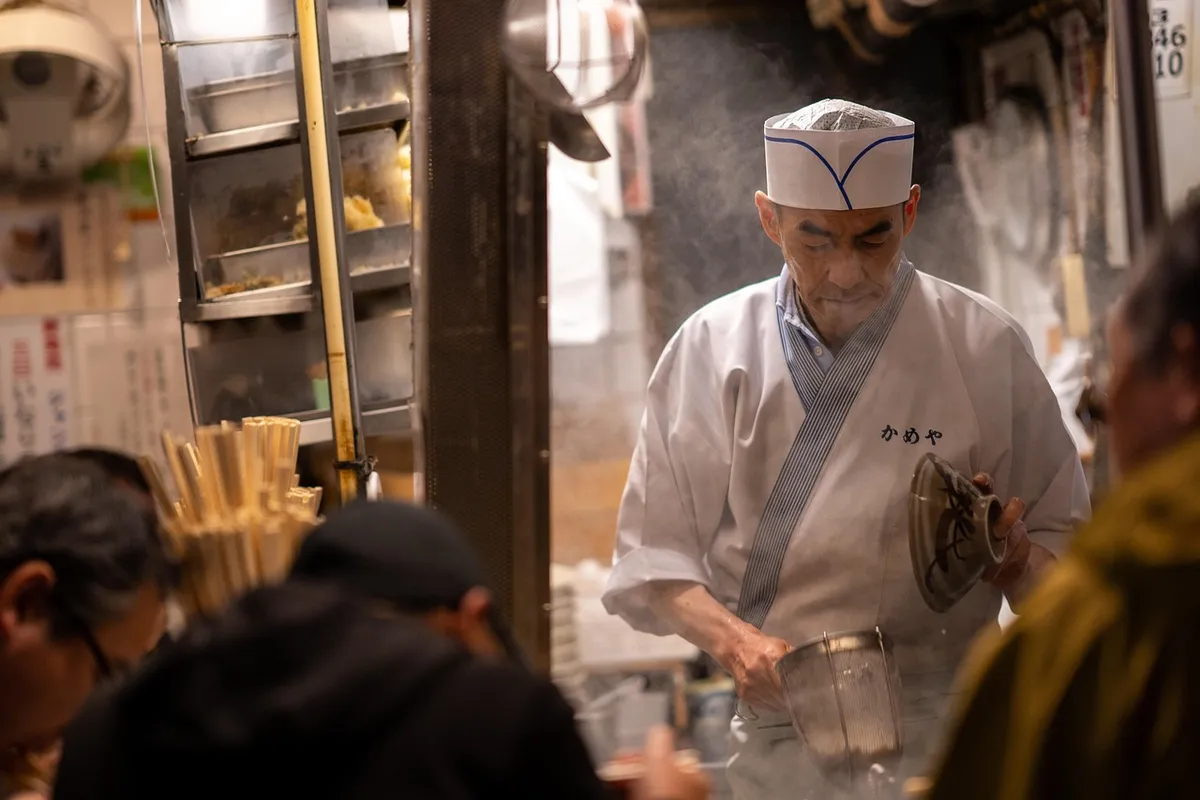
How can I eat like a local in Tokyo? Sitting at a cramped wooden counter, you watch a chef meticulously prepare a single bowl of ramen. Creating a Local Tokyo eats guide involves documenting the specific atmosphere and service style of each unique venue.
Instead of looking for broad categories, focus on the unique characteristics of different wards, such as the historic charm of Asakusa or the modern energy of Shibuya. A successful guide tracks the subtle differences in flavor profiles and preparation methods across different districts.
This helps in planning a more diverse and meaningful food journey.
- Research neighborhood vibes to narrow your search.
- Look for small establishments with minimal signage.
- Observe local foot traffic to gauge popularity.
Seeking Authentic Tokyo dining
The steam from a boiling pot rises in a small, dimly lit kitchen in a quiet corner of Ginza. Seeking Authentic Tokyo dining means looking for places where traditional techniques are still the primary focus.
Authenticity is often found in the consistency of flavor and the respect shown to the ingredients. You might find that the most memorable meals come from places with limited seating and minimal English signage.
Emphasize the importance of timing, as many authentic spots have specific hours for lunch and dinner that strictly follow local customs.
However, the availability of English-language menus may be limited at these traditional spots.
Navigating Deep Tokyo flavors
A heavy rain falls on the pavement outside a basement-level eatery, but the warmth inside is inviting. To experience Deep Tokyo flavors, one must be willing to venture into basement levels or rooftop terraces that are not immediately visible from the street.
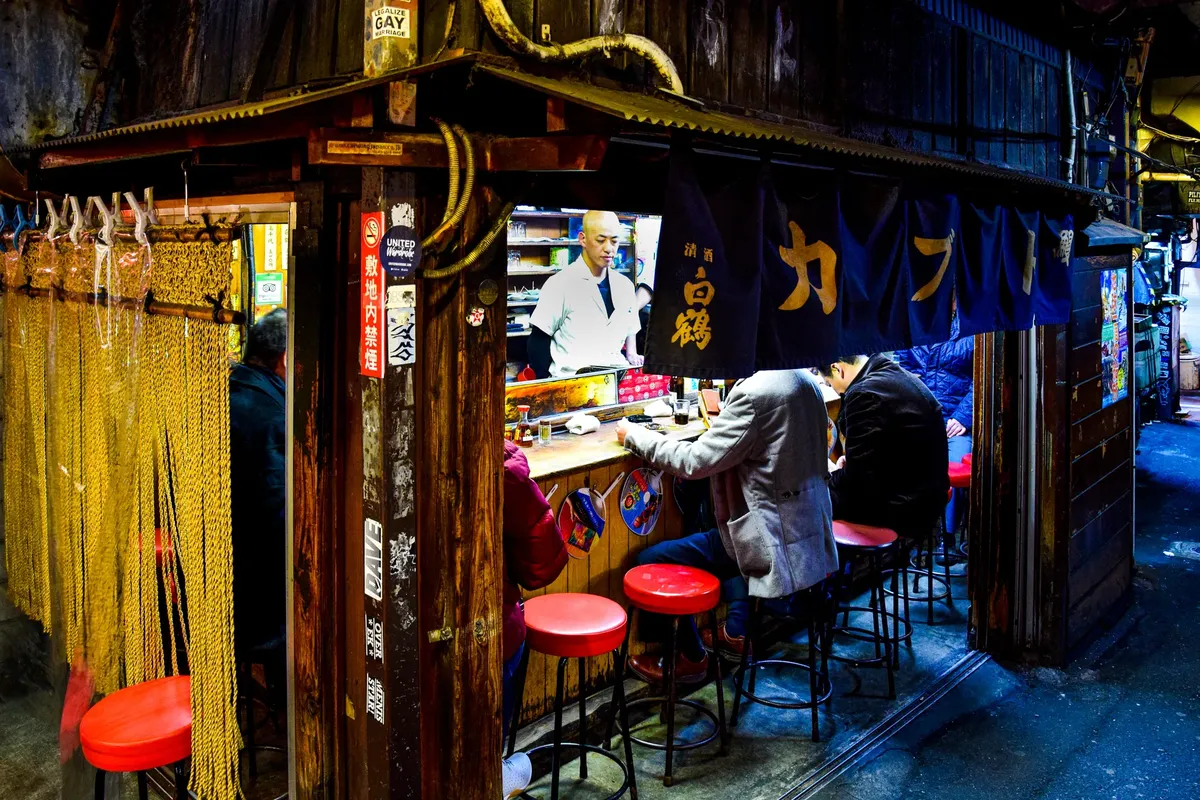
These unconventional locations often house the most flavorful and historically significant eateries. Navigating these spaces requires a bit of intuition and a willingness to follow the local crowd.
This deep dive into the city's culinary layers provides a much richer experience than sticking to mainstream tourist paths.
I find that the third step in this exploration is often the most rewarding.
This part also covers Best hidden Tokyo eats.
This part also covers Local Tokyo food tour.
This part also covers Tokyo deep dive dining.
Best hidden Tokyo eats
Related
- Tokyo university campus location: Guide to urban setting
- How can one navigate the Tokyo gallery modern art scene?
What are the practicalities of urban exploration?
Urban exploration involves navigating between famous landmarks and hidden gems. This process requires balancing the desire to see major sights with the goal of finding genuine flavors in residential side streets.
According to World Bank data, Japan recorded an agricultural land share of 12.6% in 2023.
You should compare the busy atmosphere of main streets with the quiet hum of neighborhood izakayas to find the right balance.
- Identify neighborhood-specific dining trends to understand local culture. 2. Navigate between main streets and side streets to find hidden gems. 3. Observe local crowds to identify authentic dining spots.
When you move away from neon-lit streets, you must be prepared for different environments, such as basement-level eateries or rooftop terraces. This article provides a guide to managing these transitions by observing local habits.
You should watch for the timing of lunch and dinner hours to ensure you visit during specific operational windows. This caution ensures you do not arrive at a closed establishment while seeking seasonal ingredients.
However, these practicalities may not apply to those traveling with heavy luggage.



Comments 0