Tokyo hotels and stays guide for urban travelers
"A traveler's comfort in a city as vast as Tokyo depends entirely on understanding the diverse landscape of lodging, from high-rise luxury to compact urban efficiency."
This guide helps travelers and prospective residents navigate Tokyo's diverse accommodation types by focusing on location, facility scale, and budget alignment. Prioritize proximity to major transit hubs and consider whether you need a full-service hotel or a smaller, localized stay.
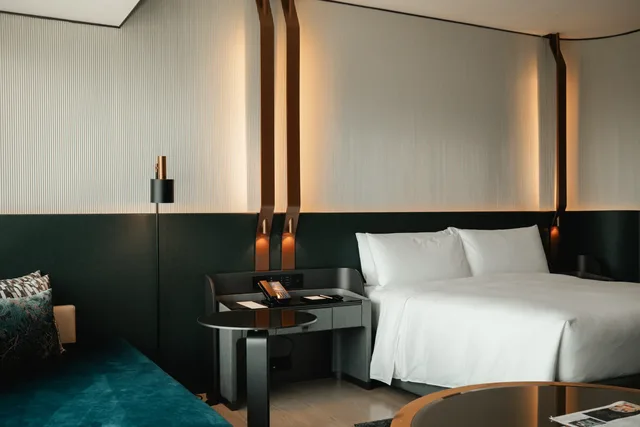
While this guide covers selection criteria for various lodging styles, it does not provide specific rankings for individual hotel brands.
How to navigate Tokyo accommodation types?
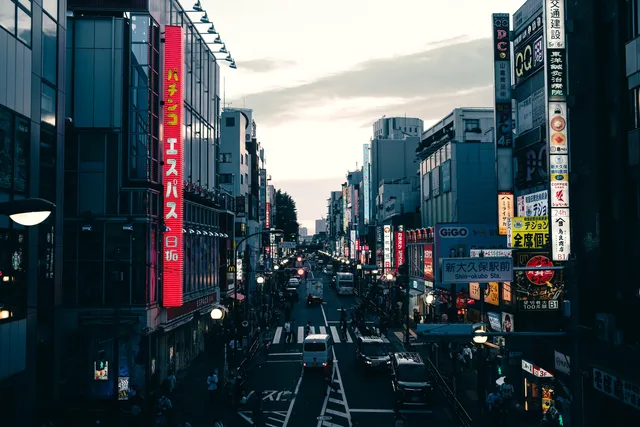
At dusk, you walk through the neon streets of Shinjuku to feel the electric hum of tokyo lodging options.
Walking through the neon-lit streets of Shinjuku, one notices how different lodging styles cater to distinct traveler needs. Choosing Tokyo hotels requires a clear understanding of the trade-offs between space, price, and service levels available in the metropolitan area.
Tokyo accommodation types range from expansive international luxury chains to highly efficient business hotels and traditional guesthouses. Selecting the right one depends on your travel rhythm and how much time you intend to spend inside your room versus exploring the city.
Understanding the variety of lodging available is the first step to a comfortable trip.
Where should I stay in Tokyo?
At sunset, you stand on a crowded platform in tokyo to feel the sudden rush of the wind. Standing on a crowded platform at Tokyo Station, the rush of commuters highlights why location is the most critical factor for any stay. Finding the best Tokyo stay options involves mapping out your primary destinations against the major subway lines.

Effective Tokyo hotel selection tips involve checking the walking distance from the nearest station to your lodging. Travelers often find that staying near the Yamanote Line provides the most seamless access to major districts like Shibuya, Ginza, and Ueno.
From luxury hotels in Minato to budget-friendly capsule hotels in Shinjuku, your choice depends on your lifestyle.
How can I compare Tokyo stays to decide?
Looking at a digital map of the city, the density of available rooms can feel overwhelming for a first-time visitor. A Tokyo stay comparison allows you to weigh the benefits of different neighborhoods against your specific interests.
| Feature | Business Hotels | Luxury Hotels |
|---|---|---|
| Room Size | Typically compact | Generally spacious |
| Service Level | Essential amenities | Full-service concierge |
I found that comparing these two categories helps clarify if you prioritize a central, functional base or a destination in itself.
Comparing prices, locations, and amenities side-by-side helps you find the best value for your budget.
What are some Tokyo lodging features to look for?
Entering a quiet lobby in a residential ward, the atmosphere shifts from the high-energy hubs to a more localized experience. Understanding Tokyo lodging features is essential for managing expectations regarding room dimensions and amenities.
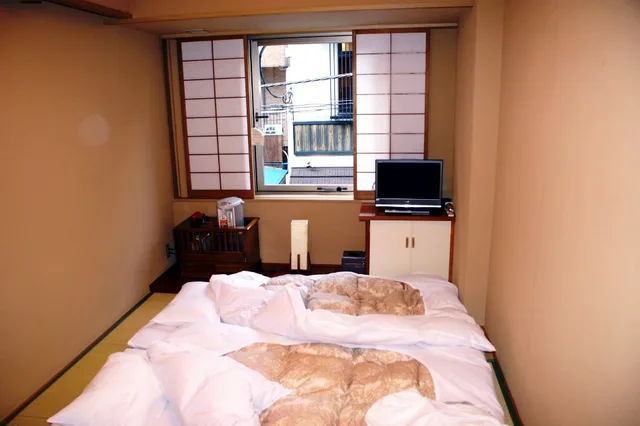
Many urban stays emphasize high-tech efficiency, offering automated check-ins and compact layouts to maximize limited square footage.
When planning your trip, consider whether you require specific amenities like laundry facilities or a dedicated workspace, which vary significantly between budget and premium stays.
Prioritize proximity to major subway lines, availability of laundry facilities, and English-speaking staff.
How to implement a Tokyo accommodation guide?
Checking into a bright, modern lobby, you realize that a successful stay relies on a structured approach to booking. Following a reliable Tokyo accommodation guide involves three specific steps to ensure your needs are met.
- Identify your primary transit corridor to minimize travel time between districts. 2. Verify the specific room size and amenities, as "standard" rooms in Tokyo can be quite small. 3. Confirm the proximity of local convenience stores or supermarkets for easy access to essentials.
After completing these steps, perform a final check of the hotel's cancellation policy and check-in procedures.
Follow these steps to secure your lodging: 1. Define your budget and preferred neighborhood. 2. Research specific accommodation types that fit your needs. 3. Book your stay well in advance of your travel dates.
What is the limit of this guide?
Sitting in a quiet cafe overlooking a park, one realizes that even the best planning cannot account for every local nuance. This guide focuses on general selection criteria and does not provide specific price comparisons or availability for individual properties.
This guide provides general advice and does not account for real-time availability or specific seasonal price fluctuations.
How does location impact traveler comfort?
Location impacts traveler comfort by determining the ease of movement between transit hubs and various city districts. A traveler should compare the proximity of a lodging option to the Yamanote Line against their intended destinations to avoid excessive commuting time.
Choosing a stay near major subway lines facilitates faster access to areas like Shibuya or Ginza, which directly affects how much time is spent exploring versus traveling.
When comparing lodging types, consider how the facility scale affects your daily routine. A luxury hotel provides a full-service concierge, whereas a business hotel focuses on essential amenities and compact efficiency.
This comparison helps you decide if you need a destination-style stay or a functional base for urban exploration.
What precautions should be taken during the booking process?
Precautions during the booking process involve verifying specific room dimensions and checking cancellation policies to avoid unexpected issues. Because standard rooms in Tokyo can be quite small, you must confirm the exact square footage to ensure the space meets your requirements.
Additionally, always review the check-in procedures and the hotel's specific cancellation terms before finalizing your reservation to manage your travel logistics effectively.
How can a traveler balance budget and service?
A traveler can balance budget and service by comparing the amenities of business hotels against luxury chains. Business hotels offer essential amenities and compact layouts, which suit those prioritizing functional bases.
In contrast, luxury hotels provide full-service concierge options and more spacious rooms for those seeking a destination-style stay.
Comparing these two lodging categories allows you to decide if you prefer high-tech efficiency or a more expansive experience. You should weigh the trade-offs between price and service levels to ensure your choice aligns with your specific travel rhythm.
What conditions affect the choice of a Tokyo stay?
Conditions such as your proximity to major transit hubs and your need for specific amenities like laundry facilities affect your choice. You should consider whether you require a dedicated workspace or if a compact, automated check-in system meets your needs.
Selecting a stay near the Yamanote Line is a condition that facilitates easier access to districts like Shibuya and Ginza.
FAQ
Which areas are best for transit?
What should I consider regarding room size?
Popular posts

Tokyo digital nature art: Guide to aesthetic experiences

19th Century Shift: Forging Modern Higher Education in Tokyo
4 Pro Strategies to Find Authentic Tokyo Alleyway Eateries

Comments 0