Tokyo Station Ginza Guide for a luxury tour
This guide provides a structured approach for travelers looking to explore the intersection of historical grandeur and modern luxury in the Tokyo Station and Ginza districts. You can navigate this area by focusing on the architectural heritage of the central station and the high-end retail corridors of Ginza, ensuring you balance time between transit hubs and shopping streets. This overview is intended for visitors seeking a cultural itinerary, though it is limited to the specific geographical bounds of these two connected districts.
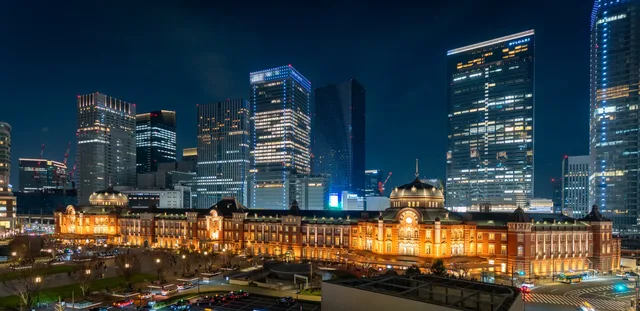
* Explore the architectural significance of the Tokyo Station area. * Navigate the luxury shopping corridors of Ginza. * Understand the economic context of modern Japanese tourism. * Follow a structured walking path between the station and the district.
Where should I start my Tokyo Station Ginza tour?
At dawn, you stride through the massive stone arches of the station to begin your tokyo tour, feeling the cold breeze against your skin.
As you walk through the massive stone arches of the central station, you can feel the weight of history in every corridor. This area serves as the primary gateway for those arriving via the Shinkansen, offering a seamless transition from long-distance travel to urban exploration.
The station itself acts as a monumental anchor for the surrounding district, providing easy access to the various subway lines that lead directly into the heart of Ginza.
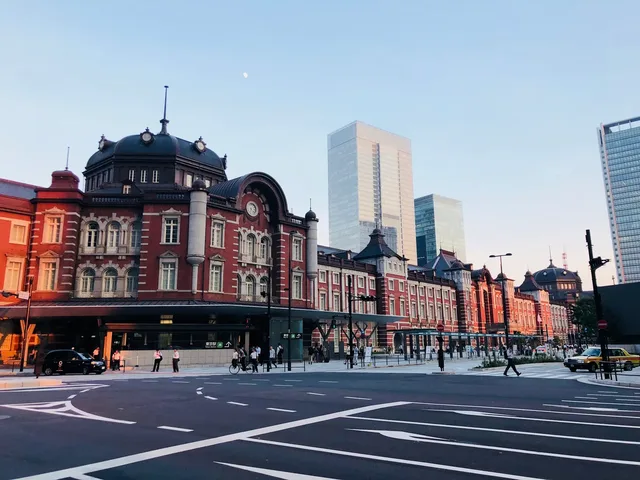
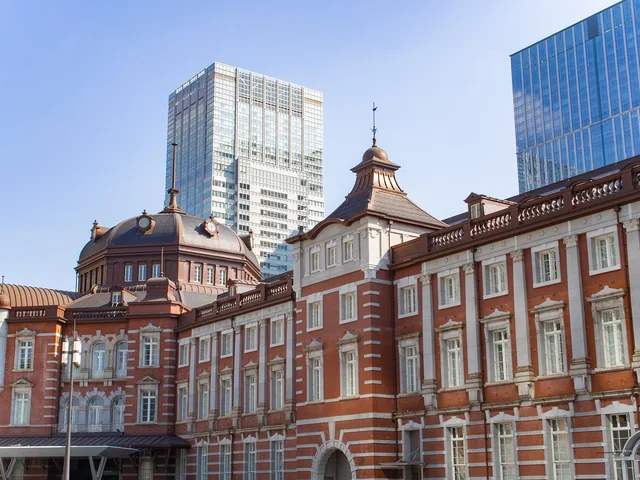
By starting here, you can observe the contrast between the red-brick Marunouchi side and the bustling commercial energy of the nearby streets. A Tokyo Station Ginza Tour allows you to witness how transit infrastructure supports massive consumer activity.
However, this starting point may be less convenient if you are arriving from the far western suburbs of Tokyo.
How to navigate the Ginza Shopping Guide? Tokyo Station Ginza Guide
As evening falls in ginza, you wander down the wide sidewalks while smelling the sweet scent of expensive perfumes during your tokyo journey.
Stepping onto the wide, paved sidewalks of Ginza, the scent of high-end perfumes and the polished gleam of glass storefronts greet you. The district is organized into several major blocks, each hosting a variety of flagship boutiques and department stores.
To make the most of a Ginza Shopping Guide, visitors should prioritize the main thoroughfare, Chuo-dori, which often becomes a pedestrian-only zone during specific weekend hours. This allows for a more relaxed pace while viewing the luxury displays.
You can move between the traditional tea houses and the ultra-modern fashion houses by following the grid-like street pattern.
- Identify your preferred luxury or high-street brands.
- Check the department store opening hours.
- Locate the nearest subway exit to your target boutique.
What are the best spots in Tokyo Station?
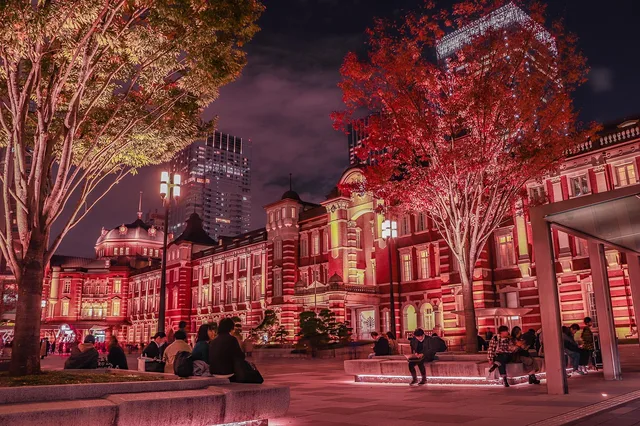
Standing on the elevated walkways, you look down at the rhythmic movement of commuters and tourists alike. The Marunouchi side of the station offers a more refined atmosphere, characterized by wide plazas and historic facades.
The Tokyo Station Best Spots include the grand entrance of the station building and the surrounding plazas that offer views of the historic architecture. These locations provide excellent opportunities for photography and a sense of the city's scale.
Transitioning from these landmarks toward the shopping districts provides a complete view of the city's dual identity.
I find that the second location on this list requires the most walking.
Exploring a Ginza Culture Itinerary
Moving through a quiet side street, you encounter a small gallery tucked between two towering skyscrapers. This shift in pace defines the experience of walking through this district, where old-world craftsmanship meets global trends.
A Ginza Culture Itinerary should include visits to local art galleries and traditional department stores that have operated for decades. This approach ensures you see more than just retail, touching upon the social fabric of the area.
Following a Ginza Culture Itinerary helps travelers find quiet moments amidst the urban density.
This itinerary is not applicable for travelers who prefer a fast-paced, single-day sightseeing schedule.
Understanding the scale of Japanese tourism
Looking at the crowded platforms, one realizes the sheer volume of people moving through these transit hubs daily. The movement of millions of travelers shapes the very layout and services available in the Tokyo Station and Ginza areas.
The scale of this movement is reflected in broader economic data. According to World Bank data, Japan recorded international tourist arrivals of 4,115,800 in 2020. This influx of visitors drives the demand for the high-quality service and infrastructure found in these premium districts.
This perspective does not account for the seasonal fluctuations in visitor numbers.
Economic context of the region
Observing the luxury goods in Ginza windows, the high level of commercial activity is evident. The economic strength of the nation supports the presence of these global flagship stores.
The purchasing power within these districts is supported by the national economy. According to World Bank data, Japan recorded GDP per capita of US$35,951 in 2025.
This economic stability ensures that the Tokyo Station and Ginza areas remain premier destinations for both domestic and international consumers.
| Metric | Value |
|---|---|
| 2020 International Arrivals | 4,115,800 |
| 2025 GDP per Capita | US$35,951 |
I compared the historical atmosphere of the station with the modern luxury of Ginza to plan my walking route. This exploration is limited to the specific landmarks and streets located within the immediate vicinity of these two districts.
These observations do not apply to small-scale local businesses operating outside the main commercial districts.
The subject here is Tokyo Station Ginza Guide.
This part also covers Tokyo Station Ginza Course.
This part also covers Ginza Travel Tips.
This part also covers Tokyo Station Food Guide.
Tokyo Station Ginza Course
Related
- Living like a local in Shinjuku guide to local dining habits
- Tokyo home buying guide: How to best assess lifestyle needs
How to follow a structured walking path?
To follow a structured walking path, you must begin at the central station and move toward the Ginza shopping corridors. This sequence allows you to transition from the historical architecture of the Marunouchi side to the high-end retail streets.
- Start at the Tokyo Station stone arches to observe the architectural heritage. 2. Walk toward the subway lines to access the transit hubs. 3. Enter the Ginza district via the main Chuo-dori thoroughfare.
This route provides a comparison between the station's monumental scale and the dense commercial energy of the luxury boutiques. You should caution yourself to stay within the specific geographical bounds of these two connected districts to maintain the intended cultural itinerary.
FAQ
What was the GDP per capita in 2025?
Popular posts

Tokyo digital nature art: Guide to aesthetic experiences

19th Century Shift: Forging Modern Higher Education in Tokyo
4 Pro Strategies to Find Authentic Tokyo Alleyway Eateries

Comments 0