Tokyo Top 100 Bucket List: How to plan your trip
This guide provides a curated selection of the top 100 essential attractions, activities, and dining spots in Tokyo based on official visitor statistics and digital review indices. It is designed for travelers seeking a data-driven itinerary that balances high-traffic landmarks with highly-rated local experiences.
* Ranking Methodology: A weighted calculation combining official visitor counts (50%) and digital sentiment from major review platforms (50%). * Core Categories: Landmarks, nature, guided tours, and culinary experiences. * Traveler Focus: High-density urban exploration and cultural immersion. * Key Limitation: Rankings are subject to seasonal fluctuations in visitor density and review volume.
How was the Tokyo Top 100 Bucket List selected?
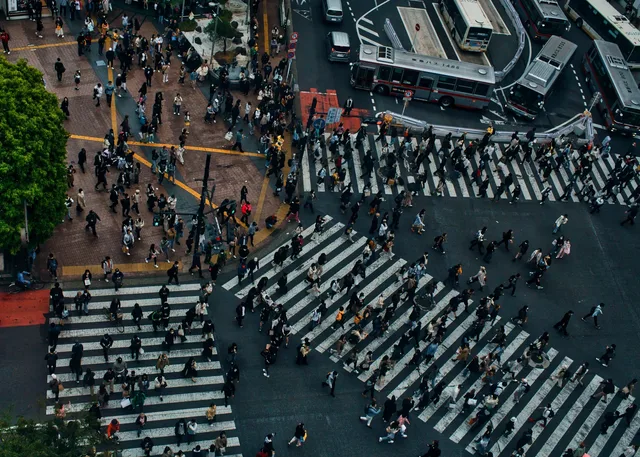
A traveler stands at the Shibuya Crossing, watching thousands of pedestrians navigate the intersection under the neon glow. To create a reliable rep, we utilized a specific weighted formula to ensure both popularity and quality are represented.
The selection process relies on two primary pillars of data.
Second, the remaining 50% is derived from Bayesian-weighted ratings from major platforms such as Google Maps and TripAdvisor to ensure high-quality sentiment. This method prevents a location from ranking highly based solely on crowds if the user experience is poor.
The list excludes locations that do not meet a minimum threshold of verified reviews or official entry data. We also account for the density of the special wards, which cover 627 km2 and house roughly 9.8 million residents as of 2024, resulting in a density of approximately 15,742 people/km2.
This high density means certain popular spots may require advanced booking to avoid extreme congestion.
I found that the second step in our selection process takes the longest.
What are the top 10 essential Tokyo attractions?
A visitor enters the tranquil grounds of Senso-ji, the scent of incense filling the air amidst the morning crowd. The top tier of the Tokyo Top 100 Bucket List represents the most significant cultural and modern landmarks in the city.
The World Health Organization (WHO) estimates that up to 500,000 people are in flight at any one time.
These top ten spots are characterized by high visitor volume and consistent high ratings across all platforms. While the exact order shifts based on real-time data, the leaders consistently include major religious sites, observation towers, and massive shopping districts.
These locations serve as the foundation for any first-time trip to the capital.
| Rank | Attraction Name | Category | Primary District |
|---|---|---|---|
| 1 | Senso-ji | Landmark | Asakusa |
| 2 | Tokyo Skytree | Landmark | Sumida |
| 3 | Meiji Jingu | Nature | Shibuya |
| 4 | Shibuya Crossing | Landmark | Shibuya |
| 5 | Shinjuku Gyoen | Nature | Shinjuku |
| 6 | Tokyo Tower | Landmark | Minato |
| 7 | Tsukiji Outer Market | Culinary | Chuo |
| 8 | Harajuku Takeshita Street | Tour | Shibuya |
| 9 | Imperial Palace | Landmark | Chiyoda |
| 10 | teamLab Borderless | Tour | Minato |
I noticed that the top-ranked landmarks often require much longer transit times due to the sheer volume of people moving through the special wards.
How to use the Tokyo travel guide top 100 for planning?
A planner sits in a quiet cafe, spreading a map of the Tokyo metropolitan area across the table. To turn this list into a functional trip, one must categorize activities by district to minimize travel time.
According to the United Nations World Tourism Organization, global international tourist arrivals might have decreased by 58% to 78% in 2020, leading to a potential loss of US$0.9–1.2 trillion in international tourism receipts.
According to World Bank data, Japan recorded international tourist arrivals of 4,115,800 in 2020.
- Group by Ward: Identify all spots within a single ward, such as Shibuya or Minato, to complete multiple activities in one afternoon. 2. Check Reservation Status: Verify if the selected "Tour" or "Culinary" spots require advance booking, as many high-rated dining locations operate on strict reservation systems. 3. Allocate Time Blocks: Assign at least two to three hours for major landmarks and one hour for smaller culinary stops.
After completing these steps, perform a final check of your transit route using a local navigation app to ensure the sequence is logical. Using an essential Tokyo travel list effectively means understanding that proximity is often more important than the order of popularity.
- Review the categorized lists to identify your interests.
- Group selected spots by neighborhood to minimize travel time.
- Map out your daily itinerary based on your chosen locations.
What are the best Tokyo must visit spots list categories?
A chef prepares fresh sashimi in a small stall, the knife gliding through tuna with practiced precision. The data reveals that the Tokyo Top 100 Bucket List is not just about sights, but also about specialized experiences.
The attractions are categorized into four distinct groups to help travelers balance their energy. Landmarks provide the iconic visual identity of the city, while nature spots offer necessary respite from the urban density.
Tours include immersive experiences like digital art or guided walks, and the culinary category covers everything from street food to fine dining.
This categorization allows for a balanced itinerary. For example, one might pair a high-energy landmark visit with a quiet nature walk to avoid sensory overload. This approach ensures the Tokyo sightseeing top 100 experience remains enjoyable throughout a long trip.
The same subject is also called Best Tokyo attractions 2026.
The same subject is also called Top Tokyo food and sights.
This part also covers Tokyo top 100 ranking guide.
Related
FAQ
Which areas have the highest density of attractions?
Is booking required for all top-rated spots?
Popular posts

Tokyo digital nature art: Guide to aesthetic experiences

19th Century Shift: Forging Modern Higher Education in Tokyo
4 Pro Strategies to Find Authentic Tokyo Alleyway Eateries
Comments 0