Living like a local in Shinjuku guide to local dining habits
"Living like a local in Shinjuku requires shifting your perspective from a hurried tourist to a rhythmic participant in the city's daily flow."
To truly master living like a local in Shinjuku, you must embrace the neighborhood's unique balance of frantic commerce and quiet residential pockets.
This guide provides three practical ways to integrate into the district, focusing on transit navigation, local dining habits, and cultural engagement.
This approach is best suited for long-term residents or travelers seeking a deeper connection to Tokyo resident living habits, though it may not apply to those seeking only high-speed, transient tourist experiences.
How can I master living like a local in Shinjuku?
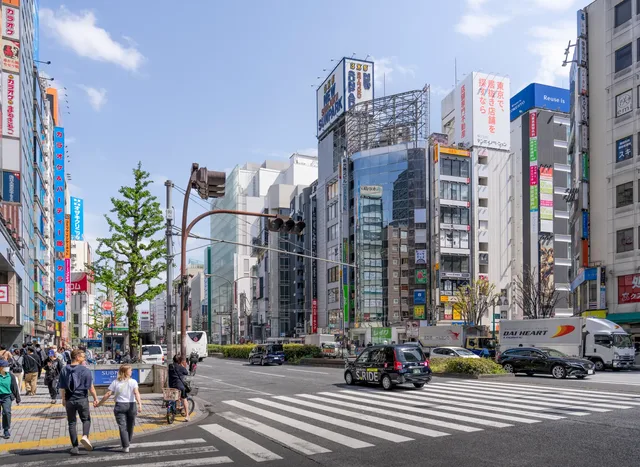
Walking through the neon-lit corridors of Kabukicho, the sensory overload of advertisements and crowds creates a distinct atmosphere. Finding your rhythm amidst the Shinjuku local lifestyle tips involves looking past the bright lights to find the quiet alleys where residents actually congregate.
Navigating the complex labyrinth of Shinjuku Station requires more than just a map; it demands a familiarity with the station's various exits and subtle directional cues.
Many people struggle with the sheer scale of the transit hub, but understanding the distinction between the JR lines and the private subway routes is a fundamental step.
I once spent twenty minutes searching for a specific platform because I ignored the subtle floor markings that guide local commuters. Mastering these transit nuances is the first step toward achieving a seamless Tokyo local living guide experience.
However, these social integration strategies may be less effective if you do not prioritize learning basic Japanese phrases.
What are the essential Shinjuku local lifestyle tips?
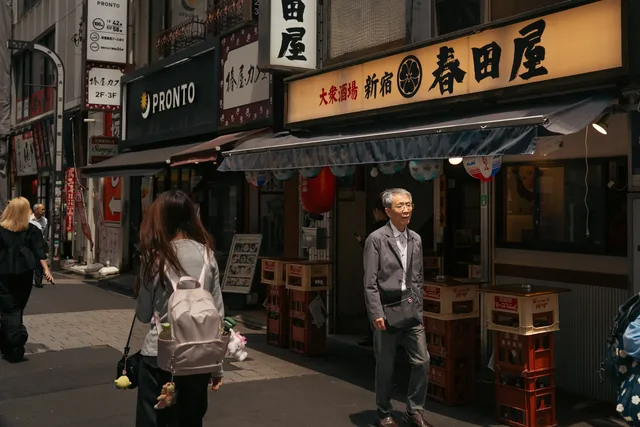
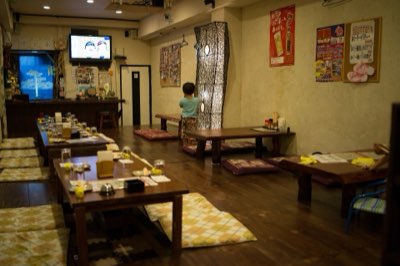
Stepping into a narrow "Yokocho" alleyway, the smell of charcoal and steam rises from small eateries tucked between skyscrapers. To truly integrate into the neighborhood, one must move beyond the large franchise restaurants and seek out the intimate dining spaces that serve the local workforce.
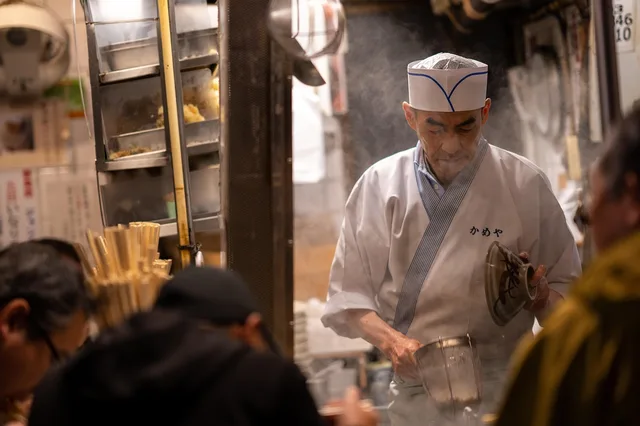
A significant part of Shinjuku neighborhood secrets involves the timing of your meals. While tourists often flock to restaurants during peak dinner hours, residents often dine slightly earlier or much later to avoid the crushing crowds.
Observing the patterns of office workers during their lunch hour can provide valuable insights into the local dining culture. This allows for a more authentic engagement with the neighborhood's culinary fabric without the stress of long queues.
However, these tips might not apply to those seeking a quiet, suburban lifestyle away from urban centers.
How does one experience Tokyo resident living habits?
Strolling through the lush greenery of Shinjuku Gyoen National Garden, the sudden silence offers a stark contrast to the surrounding urban roar.
For those seeking to understand the depth of the region, engaging with its historical and cultural institutions provides a necessary anchor to the city's heritage.
Understanding the area requires acknowledging that Shinjuku is not just a commercial hub but a repository of national history. For example, the Tokyo National Museum houses over a third of the National Treasures of Japan.
Engaging with these cultural landmarks helps build a mental map of the city that transcends mere shopping and entertainment. This historical context is vital for anyone attempting to move from being a visitor to a resident.
However, these observations may vary depending on the specific neighborhood within the ward.
How do I navigate Shinjuku housing and moving?
Unpacking boxes in a compact studio apartment, the reality of urban living becomes tangible as you organize your limited space. Managing the logistics of Shinjuku housing and moving requires a disciplined approach to organization and a respect for communal living standards.
If you are transitioning to a permanent residence, follow these steps to ensure a smooth integration:
- Inspect the specific noise levels of the building during evening hours to ensure they meet your tolerance. 2. Confirm the local trash collection schedule, as Shinjuku has strict rules regarding combustible and non-combustible waste. 3. Verify the proximity to your primary transit route to minimize daily commute friction.
Once these steps are completed, perform a final check of your utility connections to ensure the apartment is fully functional. I found that verifying the waste disposal rules early prevented significant stress during my first week of settling in.
Note that these steps may not apply to short-term rental arrangements or temporary lodging.
| Aspect | Tourist Approach | Local Approach |
|---|---|---|
| Transit | Relying on major landmarks | Utilizing subtle floor markings |
| Dining | Large franchise restaurants | Small, intimate alleyway eateries |
- Research various neighborhoods to find a balance between rent and proximity to transit.
- Consult with a local real estate agent to understand specific lease requirements.
- Arrange for professional movers and utility connections before your move-in date.
What are the economic realities of living in the area?
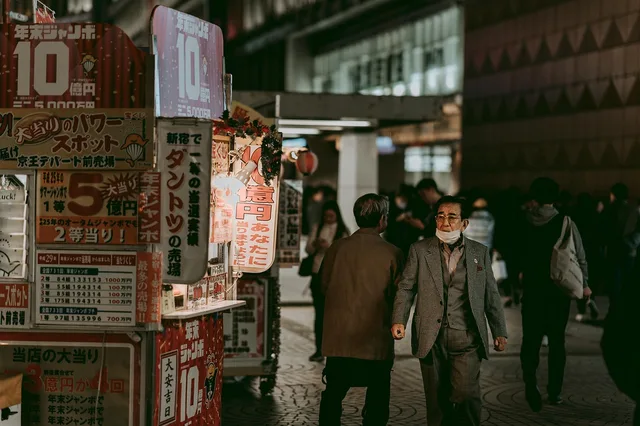
Observing the steady movement of professionals in the business districts, the economic scale of the city becomes evident through the lens of productivity and consumption. Understanding the broader economic context of the country helps place Shinjuku within a global framework.
The economic landscape is shaped by large-scale trends and individual participation. According to World Bank data, Japan recorded GDP per capita of US$35,951 in 2025. This figure reflects the economic environment that supports the dense, high-functioning infrastructure of a district like Shinjuku.
However, these cost considerations may change significantly based on your personal lifestyle and dining habits.
Related
- Tokyo home buying guide: How to best assess lifestyle needs
- Tokyo University campus life: How to best navigate culture
What cautions should I keep in mind when living like a local?
- Be mindful of the difference between the JR lines and the private subway routes when planning travel, as this distinction affects local navigation. 2. Respect the strict local trash collection schedule, differentiating between combustible and non-combustible waste. 3. Recognize that the dining habits of residents often differ from tourist patterns, requiring timing adjustments for authentic local experiences.
The transition to living like a local necessitates acknowledging the city's dual nature; the sensory immersion of Kabukicho contrasts sharply with the tranquility found in residential pockets. This duality demands a flexible mindset when approaching the district's various facets.
However, these warnings may not account for the unique cultural norms of specific social circles.
How does one approach local dining habits?
Seeking out the intimate dining spaces within the Yokocho alleys provides a direct comparison to the large franchise restaurants. When engaging in local dining habits, observing the office worker patterns during the lunch hour offers a valuable insight into the local culinary fabric.
This practice allows for a more authentic engagement with the neighborhood's food culture without the pressure of lengthy queues.
The timing of meals serves as a key indicator of local engagement; residents often choose to eat either before or after the main tourist rush to maintain a local rhythm. This consideration helps in moving beyond the general tourist approach to a more nuanced local participation.
The historical context of Shinjuku, reinforced by institutions like the Tokyo National Museum, offers a deeper layer to living like a local than mere commercial







Comments 0