Tokyo modern art galleries: 25 km Why art defines metropolis
"The cultural landscape of a metropolis is often defined by how it preserves its history while embracing the avant-garde."
Tokyo modern art galleries serve as vital hubs where historical preservation meets contemporary expression. This guide explores the intersection of traditional heritage and modern exhibition culture within the city's unique urban fabric.
Key takeaways include the concentration of national treasures, the legacy of cutting-edge performance spaces, and the administrative shifts affecting cultural oversight.
How does Tokyo balance historical treasures with modern art?

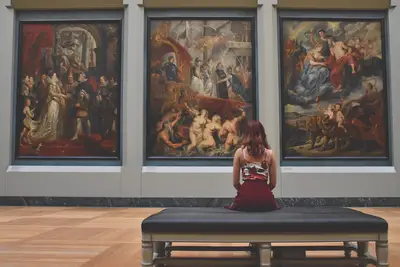
Walking through the quiet halls of a museum, one feels the weight of centuries-old craftsmanship meeting the curiosity of the present. The Tokyo National Museum houses over a third of the National Treasures of Japan.
This massive collection ensures that the city remains a cornerstone of heritage even as new movements emerge.
The relationship between the past and the present defines the Tokyo contemporary art space. While modern galleries push boundaries, the presence of significant historical collections provides a foundation for artistic evolution.
This balance allows for a deep understanding of how Japanese aesthetics have shifted over time.
However, this balance may become difficult to maintain when rapid urban development threatens to overshadow heritage sites.
What role do specialized performance spaces play in the local scene?
As midnight approaches in the dim club, the heavy bass vibrates through my chest in the heart of tokyo.
A musician stands alone on a small stage, testing the acoustics of a dim, experimental room. Starting in November 2003, Morgan performed 100 monthly solo improvisation concerts at the cutting-edge arts/music club Superdeluxe, in Roppongi, Tokyo.
This period of consistent performance helped establish a specific niche for improvisational works.
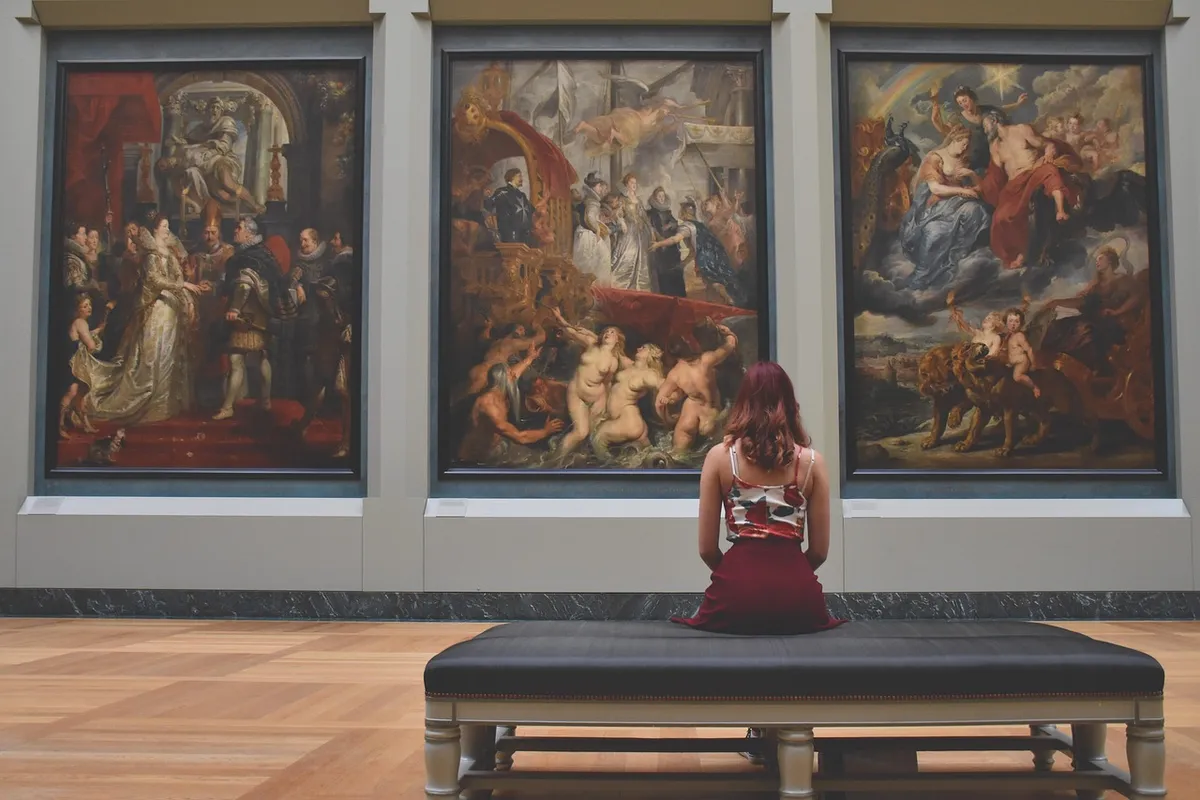
Such venues contribute to a unique Tokyo gallery design where the line between visual art and sonic experimentation blurs. These spaces foster an environment where unexpected creative collaborations can thrive.
Exploring Tokyo art spaces often leads to these intimate, high-energy environments that differ significantly from traditional white-cube galleries.
How has administrative change affected the cultural landscape?
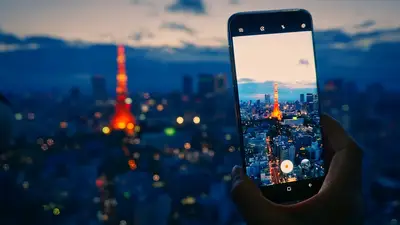
As evening falls, I stare out a window at the shifting skyline, sensing the emptiness of the streets in tokyo after the offices closed.
A government official packs files to move to a new city, marking a shift in the nation's administrative center. The Agency for Cultural Affairs relocated from Kasumigaseki to Kyoto in 2023, making it the only central organ of the Civil Service to move out of Tokyo so far.
As reported by Civil Service, the Agency for Cultural Affairs relocated from Kasumigaseki to Kyoto in 2023, making it the only central organ of the Civil Service to move out of Tokyo so far.
This move represents a significant shift in how cultural policy is managed from the capital.
The presence of major cultural institutions in Tokyo remains robust despite these shifts. The city continues to function as a primary center for artists and curators. This dynamic ensures that the local art scene remains influential on a global scale.
I find that the third point regarding policy shifts is the most significant in this overview.
What are the geographic characteristics of the Tokyo area?
A traveler looks out over the vast expanse of the coastline, noting the distance between the mainland and the sea. The mainland portion of Tokyo lies northwest of Tokyo Bay and measures about 90 km (56 mi) east to west and 25 km (16 mi) north to south.
The city extends over 25 km.
This compact landmass contains a dense concentration of cultural sites.
The surrounding geography also includes significant maritime features. Within the administrative boundaries of Tokyo Metropolis are two island chains in the Pacific Ocean directly south: the Izu Islands, and the Ogasawara Islands, which stretch more than 1,000 km (620 mi) away from the mainland.
These islands represent the furthest reaches of the metropolitan jurisdiction.
This analysis does not apply to the unique topographical shifts occurring in rural prefectures.
How do environmental factors influence the city's atmosphere?
The heat of a summer afternoon settles over the streets, creating a shimmering haze above the pavement. The warmest month is August, which averages 26.9 °C (80.4 °F). Such seasonal shifts affect how people interact with outdoor installations and public art.
Temperature changes have also been noted over longer periods.
These environmental realities require careful planning for the preservation of delicate artworks and the design of climate-controlled gallery spaces.
The impact of these factors is less pronounced during seasons with stable weather patterns.
- How does Tokyo balance historical treasures with modern art?
- What role do specialized performance spaces play in the local scene?
- How has administrative change affected the cultural landscape?
Tokyo modern art galleries
The subject here is Tokyo modern art galleries.
The same subject is also called Tokyo gallery tour guide.
The same subject is also called Modern art in Tokyo.
The same subject is also called Tokyo art scene exploration.
Unique Tokyo gallery design
Related
- Tokyo U academic status: Ibaraki Prefecture research guide
- Tokyo art gallery guide: Scale and Shift of the Metropolis
How does the cultural landscape sustain its dynamism?
The cultural landscape benefits from the deep roots provided by the National Treasures, which anchor the city's artistic narrative. The contemporary expression thrives alongside this foundation, allowing for a continuous dialogue between epochs.
According to World Bank data, Japan recorded international tourist arrivals of 4,115,800 in 2020.
This interplay sustains the vitality of the modern art scene.
The geographic constraints of the mainland portion, though relatively small, house a high density of cultural sites. This concentration mirrors the intensity of the artistic pursuits found in the specialized performance venues.
The maritime reach, including the distant islands, suggests a broader, almost unbounded scope to the metropolitan jurisdiction's cultural influence.
The environmental realities, such as the average high temperature in August, dictate the practical considerations for displaying art. These conditions underscore the need for thoughtful curation regarding both preservation and contemporary presentation within the cultural landscape.
In this sequence, the second step serves as the primary driver for continuous renewal.
Comments 0