Tokyo art gallery guide: Scale and Shift of the Metropolis
"The cultural heartbeat of a metropolis is often found in the tension between its vast economic scale and its intimate creative corners."
To understand the artistic spectrum of a massive urban center, one must look at how economic vitality and historical shifts shape its cultural landscape. This guide explores the scale of Tokyo's influence and the shifting administrative landscape that affects its creative identity.
You will learn about the economic weight of the city, the historical changes in cultural governance, and the geographical scope of the metropolis.
How does the economic scale of Tokyo influence its cultural landscape?
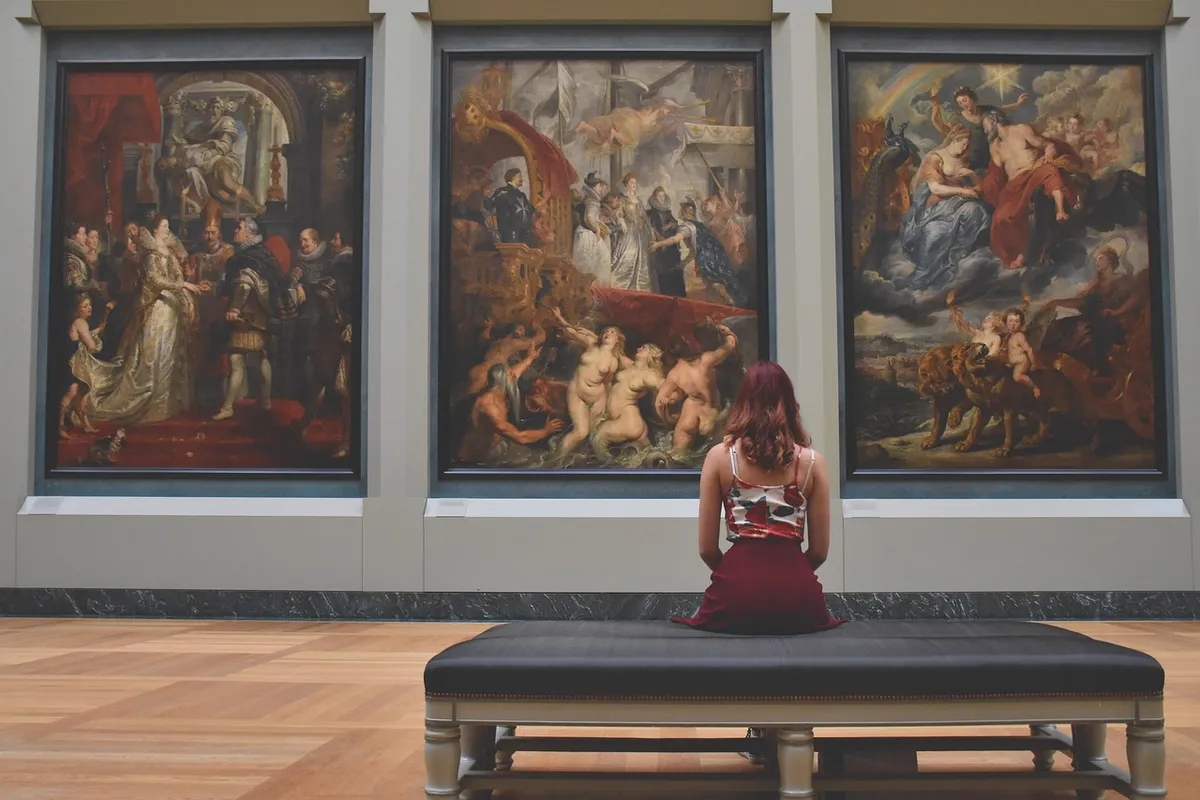
At dusk, I stand amidst the neon glow of Shinjuku, feeling the heavy pulse of commerce that shapes the culture of tokyo.
A person walks through the bustling streets of Shinjuku, observing the sheer density of commerce and activity that fuels the city's energy. The economic power of the city provides the foundation for massive cultural investments and the presence of world-class institutions.
The sheer scale of the metropolitan economy is a significant factor in its ability to support diverse industries. In FY2022, Tokyo's nominal gross domestic output was 120.2 trillion yen (US$887.9 billion), accounting for 21.2% of Japan's economic output.
This figure converts to 8.43 million yen or US$62,291 per capita. This economic strength helps sustain the infrastructure required for large-scale exhibitions and high-end galleries.
However, these influences may be less pronounced in strictly residential or rural outskirts.
What happened to the central cultural administration? Tokyo art gallery guide
At midnight in a silent office, I stare at the empty desk and feel the chill of a departing era in tokyo.
An official sits in a quiet office, reflecting on the movement of government departments from the heart of the city to other regions. The administrative landscape of Japan has seen significant shifts that impact how culture is managed centrally.
According to the Civil Service, the Agency for Cultural Affairs relocated from Kasumigaseki to Kyoto in 2023, making it the only central organ of the Civil Service to move out of Tokyo so far.
The distribution of cultural authority changed recently. The Agency for Cultural Affairs relocated from Kasumigaseki to Kyoto in 2023, making it the only central organ of the Civil Service to move out of Tokyo so far.
This move represents a notable shift in the centralization of Japanese administrative functions.
This transition does not apply to decentralized local community programs.
How much space does the Tokyo metropolis actually cover?
A traveler looks at a map, tracing the lines from the dense urban core to the distant, blue horizons of the Pacific Ocean. The physical boundaries of the city are much more expansive than the urban sprawl suggests.
The metropolitan area is not limited to the mainland. The mainland portion of Tokyo lies northwest of Tokyo Bay and measures about 90 km (56 mi) east to west and 25 km (16 mi) north to south.
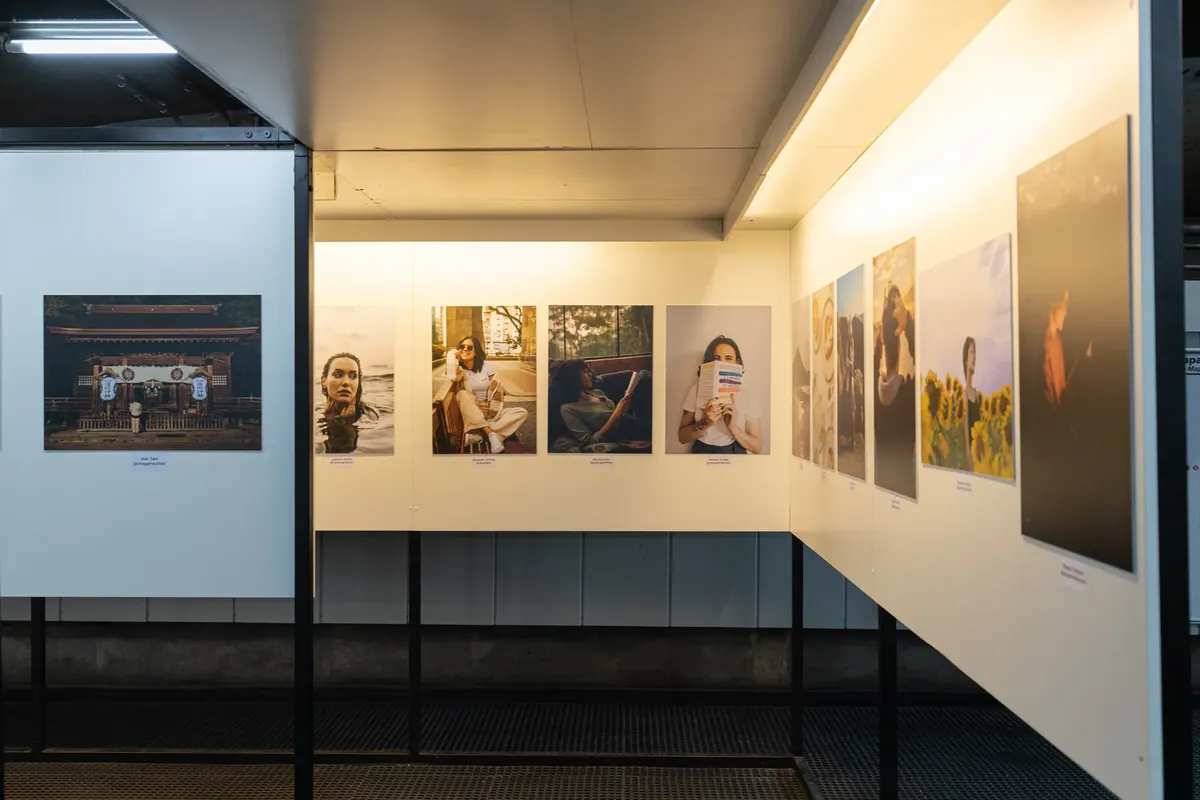
Beyond this, the administrative boundaries include two island chains in the Pacific Ocean: the Izu Islands and the Ogasawara Islands, which stretch more than 1,000 km (620 mi) away from the mainland.
The physical boundaries are not fixed if one considers only the urban core.
How far do the outlying islands extend?
A boat cuts through the waves, heading toward a remote outpost far from the neon lights of the city center. Exploring the full scope of the region requires understanding its vast maritime reach.
The distance between the urban center and its furthest reaches is immense. Tokyo has numerous outlying islands, which extend as far as 1,850 km (1,150 mi) from central Tokyo.
Specifically, the Ogasawara chain includes Minami Torishima, the easternmost point in Japan and at 1,850 km (1,150 mi) the most distant island from central Tokyo.
This geographical extent does not include maritime territories beyond the islands.
What are the natural characteristics of the Tokyo region?
A hiker stands on a coastline, noting how the shape of the land has changed over thousands of years. The natural geography of the area is defined by historical shifts in sea levels and climate.
The geography is shaped by ancient environmental changes. During the subsequent Jomon period, the Holocene glacial retreat caused sea levels in Tokyo Bay to rise by 120 cm, with the coastline running along the edge of what is now the Imperial Palace.
Today, the climate remains a factor in urban life, with the warmest month being August, which averages 26.9 °C (80.4 °F).
These characteristics may vary depending on the specific elevation of the terrain.
How can one navigate the scale of the Tokyo area?
A visitor plans a route, balancing the need to see urban landmarks with the desire to explore distant islands. Managing a trip to such a vast area requires understanding the different scales of the territory.
According to World Bank data, Japan recorded international tourist arrivals of 4,115,800 in 2020.
To navigate the different regions, follow these steps:
- Identify the primary urban areas on the mainland to establish a base for city-based activities. 2. Determine if the itinerary includes the island chains, such as the Izu or Ogasawara Islands, which require significant travel. 3. Check the seasonal weather, noting that August can reach an average of 26.9 °C (80.4 °F). 4. Verify the distance of any remote destinations, as some islands are 1,850 km away from the center.

I once tried to plan a trip that covered both the mainland and the distant islands in a single week, but the scale was too vast for such a short time.
The administrative boundaries of Tokyo include vast island chains that extend far beyond the mainland.
The effectiveness of these methods is limited if traveling during peak congestion hours.
- How does the economic scale of Tokyo influence its cultural landscape?
- What happened to the central cultural administration?
- How much space does the Tokyo metropolis actually cover?
Related
- Tokyo education history: How modern roots guide learning
- Tokyo digital nature art: Guide to aesthetic experiences
How does the cultural heartbeat of the metropolis reflect its scale?
The cultural heartbeat of the metropolis is found in the interplay between its immense economic engine and the localized artistic endeavors. The economic vitality provides the necessary resources for the cultural institutions that define the city's identity.
The sheer financial muscle of the city underpins the ability to host major cultural displays. This financial foundation supports the high-end galleries and large-scale exhibitions mentioned previously.
The historical shifts in governance mirrors the dynamic nature of the cultural heartbeat. The administrative relocation of cultural bodies reflects a broader national trend affecting the city's role.
What are the conditions influencing the cultural heartbeat?
The cultural heartbeat is influenced by both the economic realities and the geographical expanse of the region. The vastness of the territory affects how cultural activities are experienced.
The economic scale dictates the level of investment possible in cultural pursuits. The geographical reach, including distant islands, presents unique logistical considerations for cultural outreach.
The administrative changes illustrate a transition in how culture is managed nationally. This shift impacts the central role of Tokyo in cultural decision-making.



Comments 0