8 Spots to See Sakura: Ueno, Shinjuku, and Beyond in Tokyo
"The beauty of the cherry blossom lies not in its presence, but in its inevitable disappearance."
If you are planning a trip to Tokyo during the spring, you aren't just booking a flight to see flowers; you are stepping into a profound cultural ritual that dictates the rhythm of the entire city.
To the uninitiated, it looks like a massive outdoor party, but to a local, it is a momentary pause to acknowledge the fleeting nature of life.
Key Takeaways * *Hanami* is a deep-rooted cultural ritual, not just a photo opportunity. * Success depends on understanding the concept of *mono no aware*—the beauty of transience. * Navigating crowds requires strategic planning regarding location and timing.
* Local etiquette regarding cleanup and noise is non-negotiable for a respectful visit.
🌸 Why is Sakura Season More Than Just Sightseeing in Tokyo?
The morning sun hits the petals of a Yoshino tree in Shinjuku Gyoen, turning the entire park into a soft, pink haze. I stood there last year, watching a salaryman in a sharp suit sit quietly on a bench, eyes closed, simply breathing in the scent of the bloom before heading to the office.
According to World Bank data, Japan recorded international tourist arrivals of 4,115,800 in 2020.
For him, this wasn't a tourist attraction; it was a momentary transition of the seasons.
In Japan, the blooming of the cherry blossoms—*sakura*—is inextricably linked to the concept of *mono no aware*. This phrase translates roughly to "the pathos of things" or a sensitivity to ephemera.
Because the blossoms only last for a week or two before falling, they serve as a powerful metaphor for the beauty and fragility of life itself.
While the influx of international interest is massive—reflecting the global allure of Japanese culture—the local engagement remains deeply personal. While the scale of tourism is significant, the internal rhythm of the city shifts. People don't just look at the trees; they live alongside them.
This seasonal shift impacts everything from school graduations to the start of the new fiscal year in April.
The sheer scale of interest is reflected in how the city prepares. While the global fascination draws millions, the local population manages a complex social dance of celebration and respect.
Understanding that this is a period of transition, rather than just a static visual event, is the first step to truly experiencing it.
Where are the best spots to see cherry blossoms in Tokyo?
Walking through Ueno Park at 10:00 AM, the air is thick with the sound of laughter and the rustle of blue plastic picnic sheets spread across the grass. Families navigate through dense crowds of students and elderly groups, all seeking a patch of shade beneath the heavy, blooming branches.
Tokyo offers a spectrum of viewing experiences, depending on the atmosphere you seek:
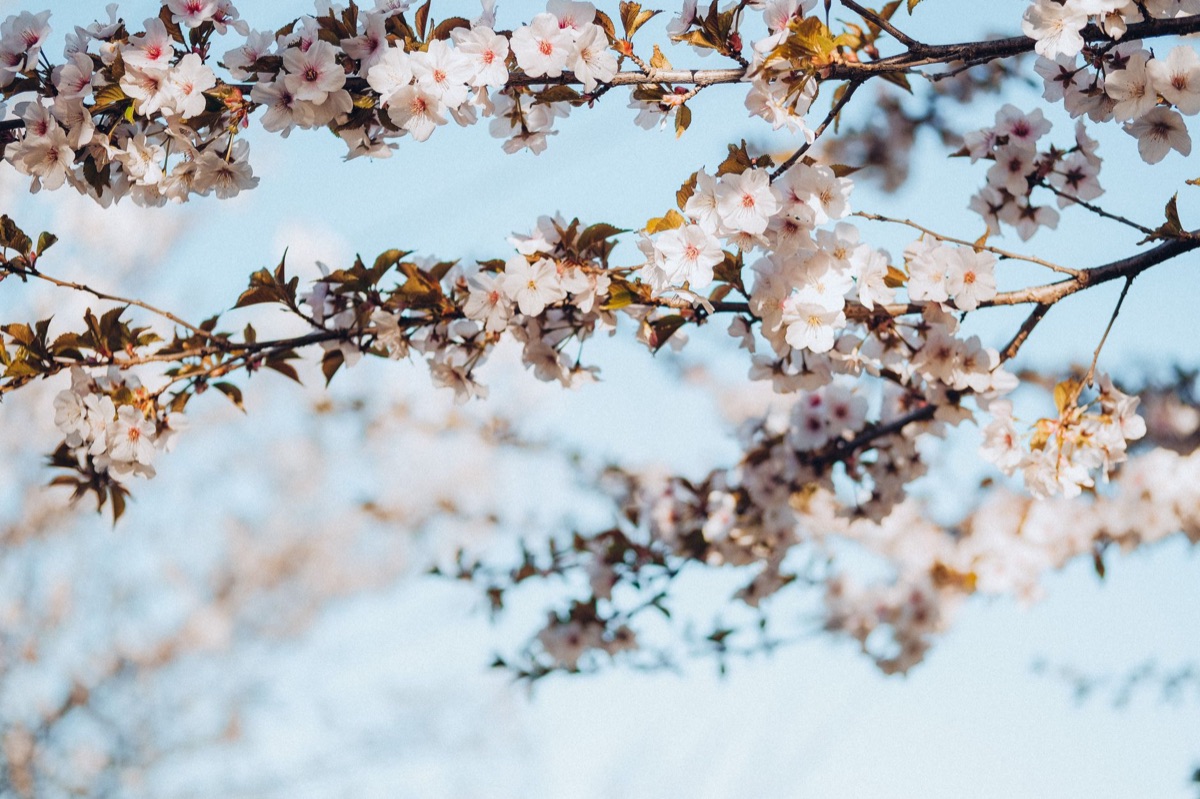
* Ueno Park: This is the quintessential "big" experience. It is bustling, loud, and energetic. It is perfect if you want to feel the pulse of the city, but be prepared for heavy crowds and a festive, somewhat chaotic atmosphere. * Shinjuku Gyoen: For a more manicured and slightly more tranquil experience, this massive park offers various tree species. It is a great place to see a wide variety of blooms, though it often has strict rules regarding alcohol and large group gatherings to maintain order. * Meguro River (Nakameguro): This is the urban dream. The trees line the canal, creating a tunnel of pink over the water. At night, the illuminated branches reflecting in the water make it one of the most romantic spots in the city. * Chidorigafuchi Moat: Located near the Imperial Palace, you can rent a boat and paddle through the water as petals drift down like snow. It is a stunning, albeit busy, way to see the bloom from a different perspective.
When planning, remember that "peak bloom" (*mankai*) is a moving target. A spot that is spectacular one day might be covered in "pink snow" (fallen petals) the next. Always check the local forecast to see if you are looking for the opening of the season or the dramatic falling of the petals.
How do I experience sakura like a local?
I remember setting up a small spread near a canal in Sumida. We made sure our footprint was tiny, tucked neatly between the edge of the path and the water. We didn't leave a single wrapper behind, and we kept our voices low when passing a group of elderly neighbors.
To enjoy *hanami* (flower viewing) without causing friction, you must follow the unspoken rules of the city:
- The Cleanup Rule: This is the most important rule. Never leave trash behind. If you bring food or drinks, carry your waste back to your accommodation or use designated bins. In many parks, you are expected to take everything you brought with you. 2. Respect the Space: In crowded parks, space is a premium. Do not spread your picnic blanket so wide that you prevent others from sitting. Be mindful of your volume; loud music or shouting can be disruptive to those trying to enjoy the quiet beauty. * Transit Strategy: During peak season, trains can be incredibly crowded. If you are traveling to a major spot like Ueno, try to arrive very early in the morning or late in the evening to avoid the heaviest commuter surges. 3. Dining Etiquette: If you are eating at a local *izakaya* (Japanese pub) near a blooming area, remember that many places have limited seating. It is polite to finish your meal within a reasonable time to allow the next group to sit, especially during the busy season.
| Feature | Ueno Park Style | Shinjuku Gyoen Style |
|---|---|---|
| Atmosphere | High energy, festive, loud | Calm, organized, scenic |
| Crowd Level | Extremely High | Moderate to High |
| Best For | Groups and social gatherings | Couples and photography |
| Key Activity | Street food and large picnics | Walking and contemplative viewing |
📅 Planning Your Perfect Sakura Itinerary
The sun begins to dip below the skyline, and suddenly, the mood of the city changes. The bright, daytime energy fades, replaced by the soft glow of paper lanterns and the strategic placement of spotlights on the trees.
To make the most of your time, consider these planning strategies:
* The Timing Variable: Bloom dates change every year based on temperature. Use local weather apps or websites that provide specific "bloom forecasts" for different wards in Tokyo. * Day vs. Night (*Yozakura*): Daytime viewing is bright and social. Nighttime viewing, known as *yozakura*, is often more magical. Many parks light up the trees, creating a surreal, glowing landscape that is entirely different from the daytime experience. * Seek the "Second Tier" Spots: If the main parks are too crowded, look for smaller neighborhood shrines or local riverbanks. Often, a quiet stroll through a residential area in Setagaya or Nerima can reveal stunning, hidden groves of cherry blossoms without the massive crowds. * Post-Bloom Beauty: If you arrive after the petals have fallen, don't be disappointed. The "sakura snow" period—where petals carpet the ground or float on water—is a unique and beautiful sight in its own right.
🇯🇵 Deep Dive: Living in Tokyo During Sakura Season
The morning commute feels different in late March. There is a subtle lightness in the air, a collective sense of renewal that cuts through the usual morning rush.
For those living in Tokyo or staying long-term, the season isn't just a weekend event; it's a shift in lifestyle. The start of the new school year and the new fiscal year in April means that *sakura* coincides with a period of new beginnings.
You will see new employees in fresh suits and students in new uniforms.
Local festivals (*matsuri*) often pop up in various neighborhoods, coinciding with the bloom. These small-scale community events offer a way to see the culture up close, away from the heavy tourist tracks.
It is a time of transition—moving from the cold of winter into the warmth of spring—and the city breathes a little easier during these weeks.



Comments 0