Authentic Tokyo: 5 Steps to Local Culinary Secrets
"Forget the neon lights of Shibuya; the real soul of Tokyo is tucked away in a quiet alleyway, smelling of toasted soy sauce and local life."
To find authentic Tokyo dining, you must step outside the major tourist hubs and head into residential or business districts located about 3 to 5 km away from centers like Shinjuku.
Look for establishments with high local ratings but minimal English presence, and always carry enough cash for "cash-only" small shops.
* Go Off-Map: Target neighborhoods 3–5 km outside major hubs to find genuine local density. * Follow the Locals: Prioritize spots with high Japanese-language reviews and local queues over English-language tourist guides. * Prepare for Small Spaces: Many authentic gems feature 1–2 person counter seating and quick dining windows. * Budget for Extras: Always account for a 12–15% consumption tax or service charge not always reflected in the menu price.
Why Should You Skip the Tourist Traps?
Tokyo is arguably the culinary capital of the world, but the restaurants most visible to travelers are often optimized for tourists rather than locals.
According to the Japan Tourism Agency's 2024 trend analysis, modern travelers are increasingly shifting toward "experiential travel," seeking deep cultural immersion rather than just checking off famous landmarks.
The Tokyo Metropolitan Government's 2024 data also highlights a significant difference in food density between central commercial districts and outlying residential zones. This means the most diverse and specialized food scenes are often found where the commuters live and work.
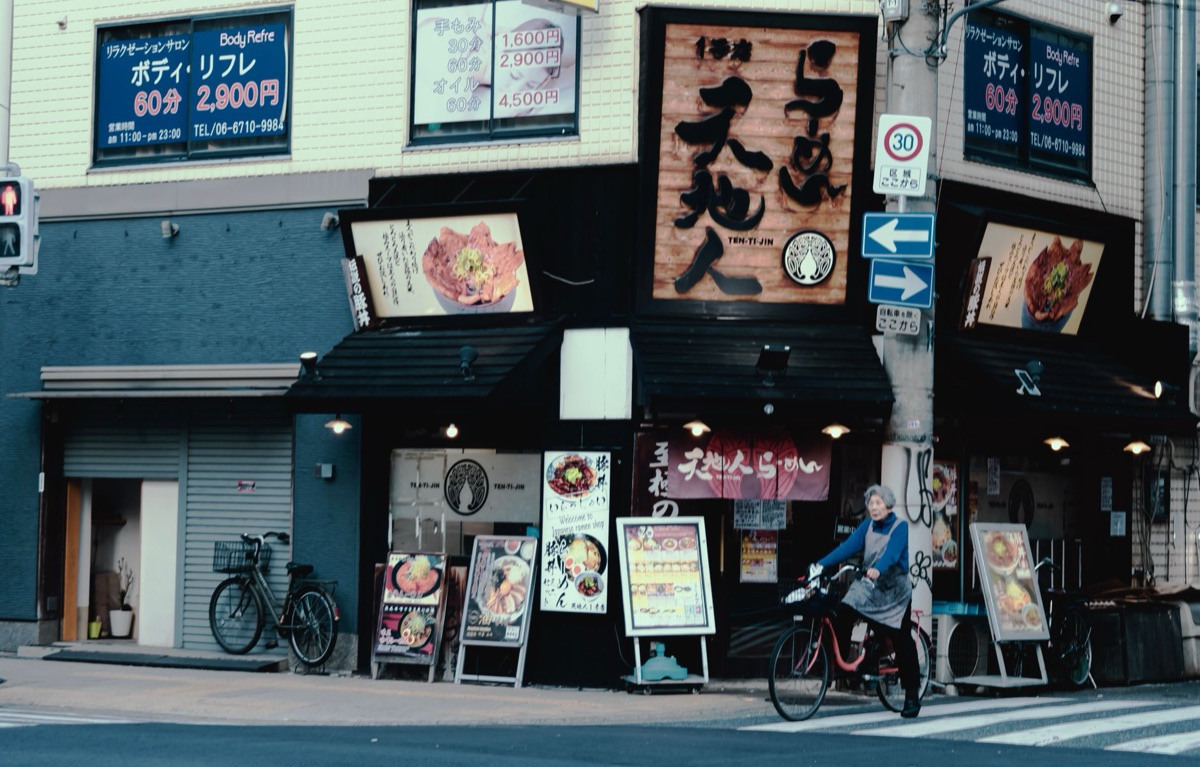
I experienced this firsthand last month in the Setagaya residential area. Instead of joining the massive line at a trendy Omotesando cafe, I wandered into a tiny, unnamed ramen shop tucked behind a convenience store.
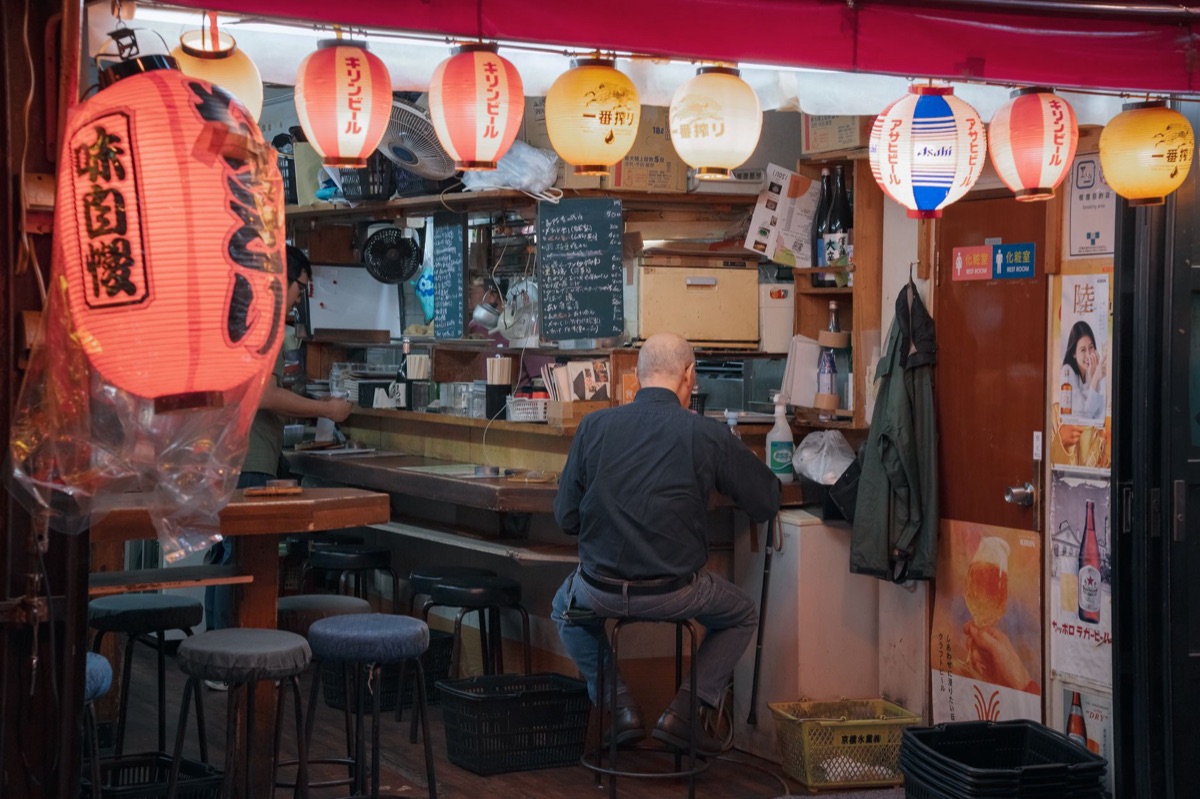
Sitting at a narrow wooden counter, I finished my meal in about 15 minutes, feeling a sense of calm and connection to the neighborhood that I never felt in the middle of a crowded tourist district.
How to Find Hidden Gems: A 5-Step Protocol
Finding a "hidden" restaurant isn't about luck; it's about a strategic approach. Based on patterns observed in local dining habits, here is my step-by-step guide to uncovering the best eats in the city.
- Select Your Base: Avoid the "Big Three" (Shibuya, Shinjuku, Ginza) as your primary search area. Instead, look for business hubs like Nihonbashi or residential pockets like Kiyosumi-shirakawa. 2. Filter Digitally: Use Google Maps, but look specifically for a high ratio of Japanese reviews to English ones. If the English info is sparse, you've likely found a local treasure. 3. Observe the Queue: Watch the people waiting. If you see salarymen in suits or local residents rather than tour groups with cameras, you are in the right place. 4. Verify the Schedule: Local shops often have irregular hours or close early once they run out of ingredients. Always check the latest updates on social media or Google Maps before heading out. 5. Pack Cash: Many of the best small-scale shops still operate on a cash-only basis. Don't let a "No Credit Cards" sign ruin your meal.
Neighborhood Guide: Where to Eat Based on Your Vibe
Tokyo's food scene is highly regional. According to the Statistics Bureau of Japan's 2024 report, the distribution of restaurants in residential areas offers much higher variety than the concentrated tourist zones.
| District Type | Primary Vibe | Recommended Food | Atmosphere |
|---|---|---|---|
| East (Outer Asakusa) | Traditional & Nostalgic | Tempura, Unagi, Traditional Sweets | Quiet, Old-world charm |
| West (Setagaya/Nakano) | Residential & Chill | Craft Ramen, Small Izakayas | Relaxed, Cozy, Local |
| Central (Nihonbashi) | Business & High-end | Sushi, Kaiseki, Premium Tonkatsu | Polished, Professional |
| South (Shinbashi/Shinagawa) | High-energy Business | Yakitori, Motsunabe, Teishoku | Bustling, Lively, Social |
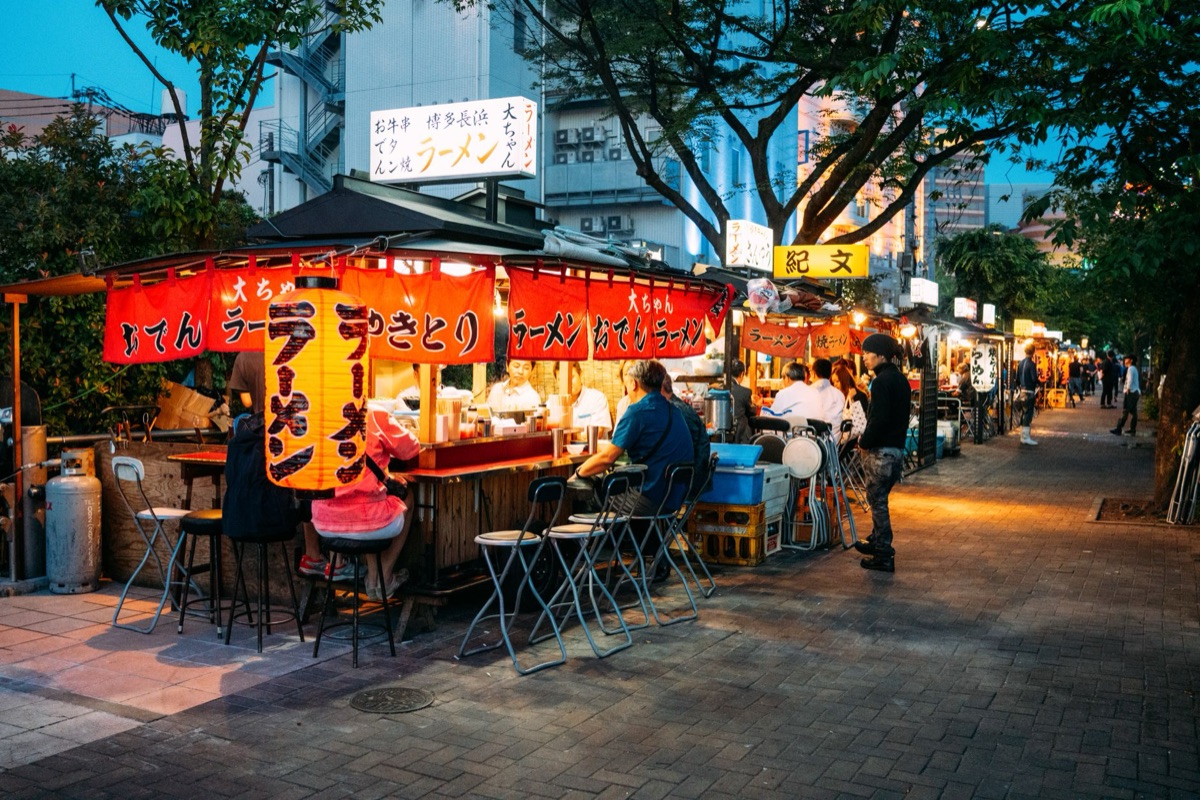
For example, if you visit the Shinbashi area between 18:00 and 21:00, you will witness the peak of Tokyo's "salaryman" dining culture. The narrow alleys filled with yakitori stalls and the sound of clinking beer glasses offer a sensory experience you won't find in a shopping mall.
Essential Etiquette for Local Dining
Authentic local spots are often tiny. I once visited a sushi bar that only had six seats total. To ensure you are a welcome guest, keep these nuances in mind:
* Embrace the Counter: Many gems are designed for 1–2 person capacity. This is perfect for solo travelers, but if you are in a group, always check for reservation requirements first. * Respect the Tempo: In popular lunch spots, the standard dining window is often just 11–20 minutes. Locals eat efficiently to make room for the next customer, so try not to linger too long or spend excessive time taking photos. * Mind the Math: Be aware that a 12–15% consumption tax or service charge may be added to your bill. Always check your receipt to avoid surprises.


Comments 0