Onsen tips guide: Tokyo onsen local tips for best experience
To experience Tokyo onsen like a native, you must prioritize local etiquette and timing over mere luxury. This guide focuses on navigating public baths using traditional customs, avoiding peak crowds, and understanding the seasonal temperature shifts that define the bathing experience.
* Master the essential sequence of cleansing before entering the water. * Understand how seasonal temperatures influence the best time to visit. * Navigate the distinction between mainland facilities and distant island hot springs. * Respect the cultural boundaries of shared bathing spaces.
How can I find the best onsen experience Tokyo offers?
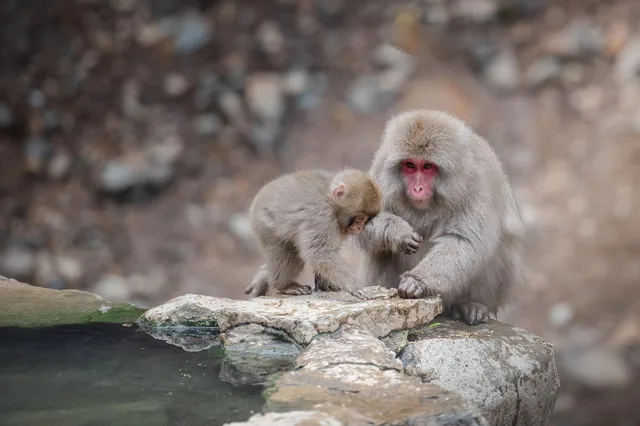
A traveler walks through a quiet neighborhood in Setagaya, following the scent of sulfur and the sound of trickling water toward a small wooden gate.
These local spots offer a more authentic connection to the city's daily rhythm.
To find these spots, look for signs indicating "Sento" for public baths or "Onsen" for natural hot spring waters.
However, the quality of the mineral content may vary depending on the specific facility's water source. I recommend following these steps to narrow down your search.
How do I use an onsen like a local? Tokyo onsen local tips
A visitor stands at the entrance of a steaming bathhouse, clutching a small towel and feeling the sudden warmth of the entryway. Knowing how to enjoy onsen like a native starts with the strict ritual of purification.
You must never enter the communal pool without thoroughly washing your body at the individual scrubbing stations first.
Following onsen etiquette for visitors means keeping your small towel out of the water and using it only for drying your face or head while sitting on the edge. Most facilities require you to leave your clothing in a designated locker and enter the bathing area completely unclothed.
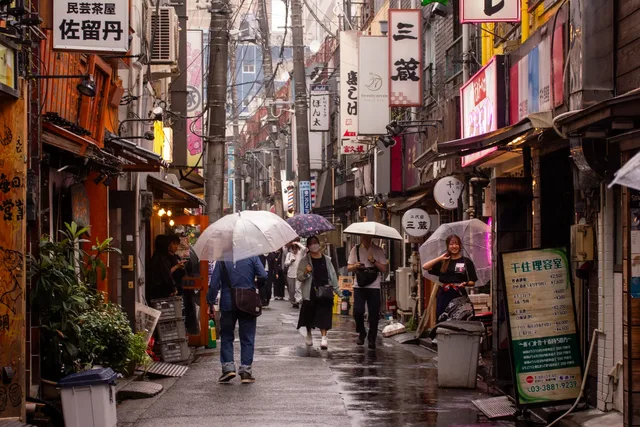
This deep dive into Japanese bathing ways ensures that the water remains clean for everyone in the shared space.
Please note that these rules may not apply to private or family-only baths. I find that following this sequence is essential for respect.
When is the best time to visit for the weather?
As evening falls in Tokyo, you shiver in the cold air before stepping into the steaming onsen.
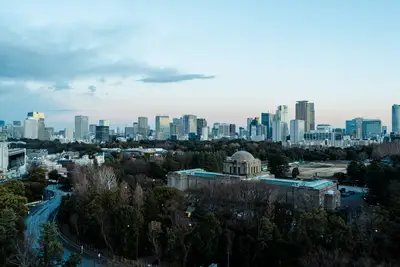
The sun begins to set over the Tokyo skyline, and the air turns crisp as the temperature drops toward the monthly average. Timing your visit can significantly enhance your comfort, especially when considering the local climate.
According to World Bank data, Japan recorded international tourist arrivals of 4,115,800 in 2020.
| Season/Month | Average Temperature | Bathing Sensation |
|---|---|---|
| January | 5.4 °C (41.7 °F) | Invigorating cold air contrast |
| August | 26.9 °C (80.4 °F) | Refreshing heat relief |
I find that visiting during the cooler months provides a sharper, more pleasant contrast between the chilly air and the steaming water.
Keep in mind that extreme weather conditions can occasionally limit access to outdoor baths. I prefer visiting during the seasons I have outlined.
Can I find hot springs on the outlying islands?
A ferry cuts through the waves of the Pacific, heading toward the distant green silhouettes of the Izu or Ogasawara chains. If you seek a different kind of Tokyo onsen local tips, you might travel far beyond the mainland.
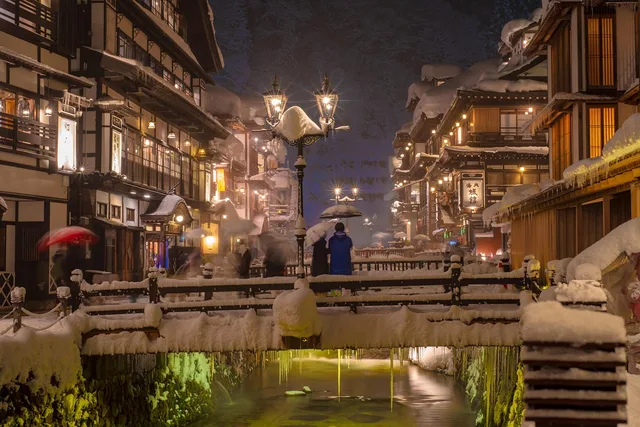
The administrative boundaries of Tokyo Metropolis include island chains in the Pacific Ocean that offer unique volcanic heat sources.
The Izu Islands and the Ogasawara Islands stretch more than 1,000 km (620 mi) away from the mainland. While the mainland portion of Tokyo is relatively compact, measuring about 90 km (56 mi) east to west, these islands provide a remote escape.
This allows for a much more isolated and natural bathing experience compared to the dense urban centers.
Note that availability is limited on smaller islands with fewer developed tourist facilities. I have listed the primary locations to consider.
What are the steps for a standard bathing routine?
A person enters the changing room, sets their belongings in a wooden cubicle, and prepares for the ritual. To ensure a smooth experience, follow these established steps:
- Remove all clothing and place it in a locker or basket. 2. Sit at a washing station and scrub your entire body with soap and water. 3. Rinse thoroughly to ensure no soap residue remains before stepping into the tub.
After completing these steps, perform a final check to ensure you have all your belongings and your towel is ready for use. Following this sequence is the most respectful way to participate in the communal culture.
This process may differ slightly if you are using a specialized medicinal bath. I follow this exact order every time I visit.
- Finding the best onsen experience Tokyo provides requires looking beyond the neon lights of Shinjuku to the neighborhood sento or traditional bathhouses.
- Authentic bath culture guide elements involve observing how locals interact with the space, often visiting in the early evening after work.
- While many tourists flock to large spa complexes, the true soul of the city resides in these smaller, community-focused establishments.
The same subject is also called Secret Tokyo hot spring spots.
The same subject is also called Local onsen living advice.
How to enjoy onsen like a native
Related
- Why use 4 day Tokyo itinerary for city discovery
- Tokyo spring bloom guide: Planning your perfect visit
How does the location of the onsen affect the experience?
- Mainland facilities offer immediate access to the dense urban environment of Tokyo, providing a convenient experience. 2. Distant island hot springs, such as those on the Izu or Ogasawara chains, offer a profoundly different experience due to their remote nature.
The comparison between these settings highlights a choice between urban immersion and natural seclusion when seeking the best experience. Traveling to the outlying islands requires a commitment to a journey far exceeding the compact mainland area of Tokyo.
The atmosphere may change significantly if the facility is located in a high-traffic urban area rather than the mountains. I have categorized the locations to help you choose.
What cautions should a visitor keep in mind regarding sharing spaces?
- Always adhere to the rule of thorough cleansing before entering the shared water, which is a fundamental caution. 2. The use of the small towel must be restricted to drying purposes, preventing contamination of the communal experience.
Respecting the cultural boundaries of shared bathing spaces is paramount for a positive experience. This caution extends to ensuring that personal items are secured in designated lockers before the bathing ritual commences.
The seasonal temperature shifts introduce a condition that requires thoughtful timing for the best experience. For example, the invigorating cold air contrast in January demands a different approach than the refreshing heat relief found in August.
This condition dictates when the bathing experience will feel most aligned with local traditions.




Comments 0