Tokyo bath etiquette guide: Prepare for a peaceful soak
"The warmth of a natural spring is a shared privilege, governed not by walls but by the quiet respect of those within the steam."
Mastering the nuances of a Tokyo bath etiquette guide ensures a peaceful soak for everyone involved. This guide covers essential soaking protocols, preparation steps, and social boundaries to help you navigate local bathing culture with ease.
How do I prepare for a Tokyo bath etiquette guide experience?
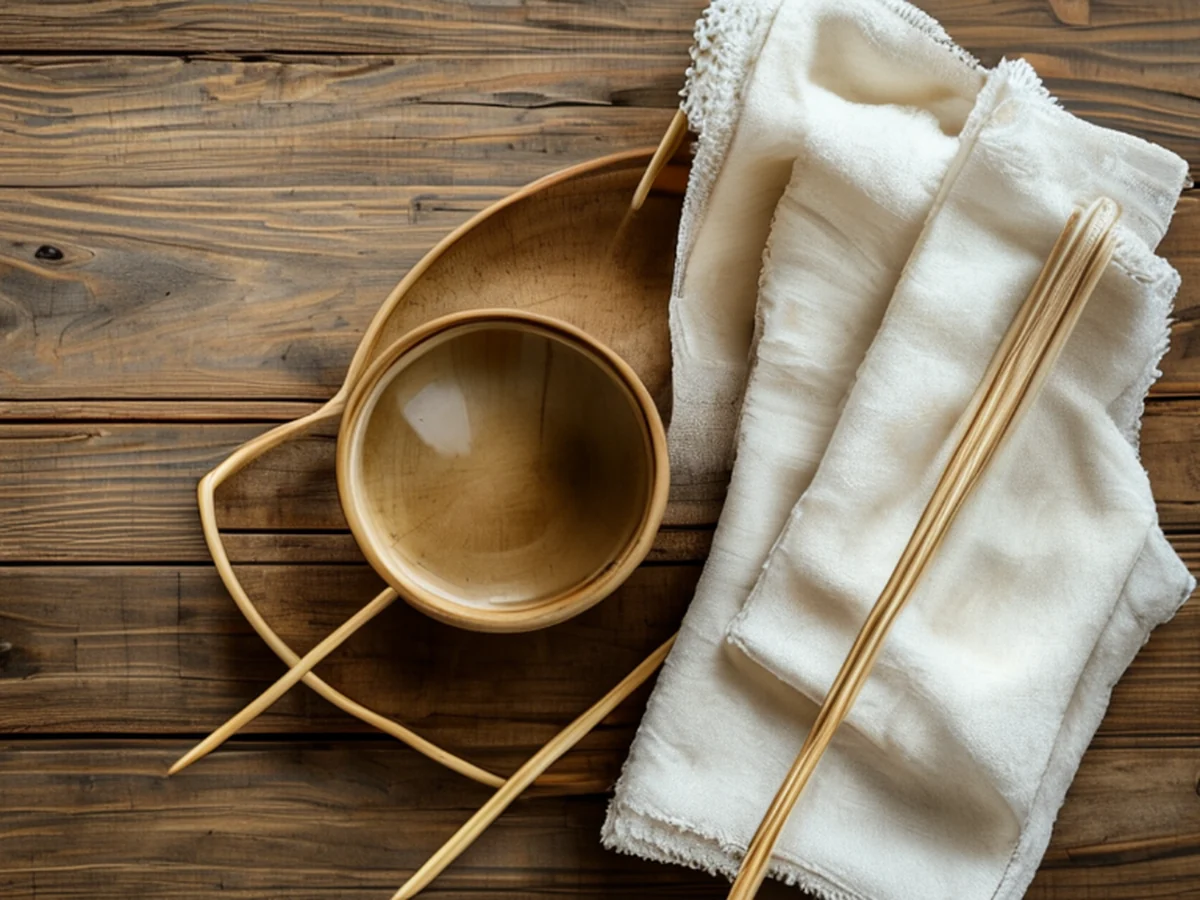
Stepping into a wooden dressing room, the scent of cedar fills the air as visitors quietly prepare themselves. To begin a proper visit, you must first manage your personal belongings and prepare your body for the temperature shift.
First, strip completely in the changing area, as garments are never permitted in the bathing zones. Second, secure all valuables in the provided lockers or small baskets to maintain a clutter-free environment.
Third, carry a small towel to use for rinsing, but ensure it never touches the communal water.
I remember the quiet rustle of towels in a dim dressing room as I prepared for my first soak. Following these steps ensures you transition smoothly from the busy streets into a meditative state.
However, these guidelines may not apply to private in-room baths where personal preferences take precedence.
What are the essential steps for a proper soak?
A heavy steam rises from the tub, blurring the lines between the water and the air. To maintain cleanliness, you must follow a specific sequence of washing before entering the communal bath.
- Sit on a small stool at a washing station to scrub your body thoroughly with soap. 2. Rinse every trace of suds from your skin using the handheld showerhead or a bucket. 3. Enter the bathtub only after your body is completely clean of soap and bubbles.
Always rinse the stool and the surrounding floor area after you finish your individual washing session. This practice keeps the shared space hygienic for the next guest.
- Thoroughly wash and rinse your body at the washing station before entering the tub.
- Rinse off all soap to ensure the water remains clean.
- Enter the bath gently to maintain the water temperature.
How should I handle towels and hair during the soak?
A small white towel sits on the edge of a stone basin, waiting to be used. Managing small items effectively is a core part of a successful Tokyo bath etiquette guide.
Keep your small towel away from the water by placing it on your head or on a dry ledge. If you have long hair, tie it up securely to prevent it from dipping into the bath. Using a towel to scrub your body inside the water is strictly prohibited to maintain water purity.
| Action | Proper Method |
|---|---|
| Towel Use | Keep it out of the water |
| Hair Management | Tie it up securely |
I carefully placed my small towel atop my head to keep it dry during the soak. This simple habit prevents the spread of soap and prevents the water from becoming cloudy.
In this sequence, the second step is the most critical for maintaining hygiene.
What are the social boundaries for a shared bath?

The sound of water splashing softly against the tile echoes through the quiet room. Respecting the personal space of others is vital when navigating a crowded or quiet bathing area.
Avoid loud conversations or sudden movements that might disturb the tranquility of other guests. Do not splash water toward others or engage in vigorous movements that disrupt the calm. If the bath is crowded, move to a corner to allow others to enter and exit easily.
Maintaining a low profile helps preserve the atmosphere for everyone. A successful soak relies on the collective silence and mutual respect of the group.
Note that these etiquette rules are specifically intended for public communal settings rather than private residences.
How do I manage the transition after bathing?
The cool air hits your skin as you step out of the steaming water into the hall. Managing the transition from hot to cold requires careful attention to your body's temperature. According to World Bank data, Japan recorded international tourist arrivals of 4,115,800 in 2020.
After the soak, rinse with lukewarm water to help your body adjust before exiting the tub. Dry yourself thoroughly in the dressing area before putting on your clothes to prevent dampness. If you are using a public facility, ensure you return your borrowed items to their proper places.
A quick rinse helps settle the heart rate after a deep soak. This final step prepares you to re-enter the outside world feeling refreshed.
This process is straightforward once you understand the flow of the facility.
The same subject is also called Local onsen manners.
The same subject is also called Tokyo bath tips.
The same subject is also called Deep dive bath rules.
The same subject is also called Insider bath customs.
This part also covers First bath visit tips.
This part also covers Proper onsen behavior.
This part also covers Local bath experience.
First bath visit tips
Related
- Tokyo local living tips: Guide to city's economic scale
- Tokyo apartment price drop reason: 13.8% vacancy how
Why is maintaining purity so important in a shared space?
The commitment to cleanliness is paramount because the bath is a shared body of water. Preserving the water quality ensures the experience remains enjoyable for subsequent bathers. The quiet respect shown to the bathwater mirrors the quiet respect shown to fellow guests.
The initial warmth of a natural spring contributes to this shared commitment to purity.
The bathhouse environment demands this collective mindfulness. Each person contributes to the overall atmosphere of the bathing area. This shared responsibility elevates the simple act of soaking into a mindful ritual.
These principles are intended to foster mutual respect and do not replace local health regulations.
What cautions should I keep in mind regarding the bathing environment?
The bathing environment is a delicate ecosystem of bodies and water. Therefore, certain actions must be avoided to protect the shared experience. The quiet respect of those within the steam is the unspoken contract of the visit.
Guests must be mindful of the residual scents and moisture. Allowing oneself to become accustomed to the warmth of a natural spring enhances the meditative quality of the visit. This awareness contributes to the peaceful soak sought by all.
The transition from the outside world to the bath requires this heightened sensory awareness. It is a journey inward, mirroring the physical cleansing undertaken. This journey requires adherence to the established protocols.



Comments 0